Motion Sickness Medications: Scopolamine and Sedative Interactions
October 30 2025
Health Information: Practical guides on meds, travel and trusted sources
Need clear health info without the fluff? This page pulls together straightforward, usable articles from Pharmacy2Home so you can act fast—whether you’re flying long-haul on blood thinners or checking which medical sites you can trust.
Travel health: DVT prevention when you’re on apixaban
Flying for hours while taking apixaban changes how you prepare. Blood thinners lower clot risk but don’t remove it. Our guide walks you through specific, practical steps you can use on the plane and before you leave home.
Quick checklist you can follow:
- Move often: stand or walk every 60–90 minutes. If you can’t walk, do ankle pumps and knee lifts in your seat.
- Wear compression socks: choose medical-grade 15–30 mmHg if your doctor approves. They reduce swelling and help blood flow.
- Hydrate smart: drink water regularly and avoid excess alcohol and caffeine, which can dehydrate you.
- Dress comfortably: loose clothing around your waist and thighs keeps circulation better than tight belts or waistbands.
- Know when to contact your provider: unusual leg pain, persistent swelling, or shortness of breath needs urgent attention.
For detailed routines, recommended compression options, and sample in-seat exercises, read the full post: How to Prevent DVT on Long Flights While Taking Apixaban. It’s written for travelers who want simple, safe steps they can actually use.
Where to get reliable health info online
Not all medical websites are the same. If you’re checking symptoms or researching meds, pick sources that explain evidence, list authors, and update content often. We compared reliable alternatives so you don’t waste time on poor info.
Highlights from the comparison:
- Mayo Clinic and NHS pages are good for clear, clinician-reviewed overviews.
- Healthline and MedlinePlus offer easy-to-read articles with references and practical tips.
- Specialty sites (cardiology, oncology, etc.) are useful for deep dives, but check authorship and date.
Want the full list with pros and cons for each site? See: Top 6 WebMD Alternatives for Reliable Health Information. That post helps you match a site to your needs—quick facts, deep reading, or patient-friendly tools.
Use these pages as starting points, not a final diagnosis. If something feels urgent or confusing, talk to your healthcare provider. Bookmark these guides so you can find practical steps and trusted sources the next time you need clear health information fast.
 8 Apr
8 Apr
Best Reliable Online Resources for Generic Drug Information
Find the most reliable, FDA-vetted online resources for generic drug information. Learn how to use DailyMed, MedlinePlus, and the Orange Book to ensure medication safety.
Read More... 4 Apr
4 Apr
Adenomas vs. Serrated Lesions: Understanding Colorectal Polyp Types
Compare adenomas and serrated lesions to understand colorectal polyp risks. Learn about growth patterns, detection challenges, and the importance of colonoscopy screening.
Read More... 1 Apr
1 Apr
Indian Generic Manufacturers: The World's Pharmacy and Exports Guide
Explore how Indian generic manufacturers drive global healthcare, supply 20% of world exports, and balance cost efficiency with quality standards.
Read More... 27 Mar
Insurance Appeals: Fighting Denials When a Generic Doesn't Work
Learn how to win insurance appeals when generic medications fail you. We cover step-by-step strategies, documentation tips, and legal rights for brand-name drug access.
Read More... 21 Mar
Global Biosimilar Markets: Europe vs United States
Europe led the world in biosimilar adoption since 2006, while the U.S. lagged due to legal and regulatory hurdles. Now, with FDA rule changes and patent expirations, the U.S. market is accelerating rapidly. Both regions are saving billions in healthcare costs.
Read More... 20 Mar
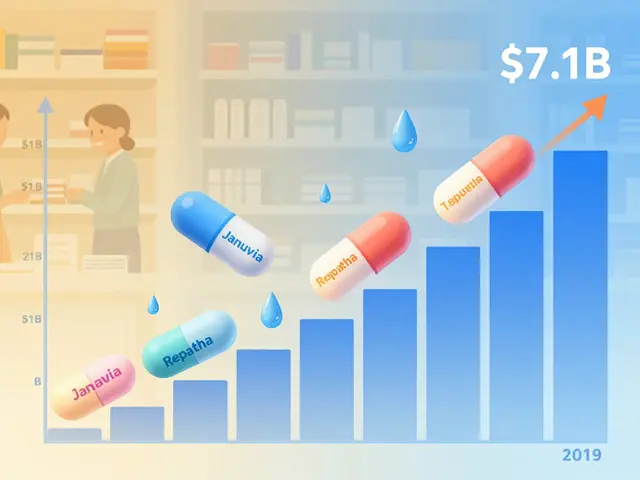
Recent Advances in Bioequivalence Testing: Emerging Technologies Revolutionizing Generic Drug Approval
AI, advanced imaging, and virtual modeling are transforming bioequivalence testing, cutting study times in half and reducing costs. These innovations are accelerating generic drug approvals-especially for complex formulations-while regulatory shifts like ICH M10 harmonize global standards.
Read More...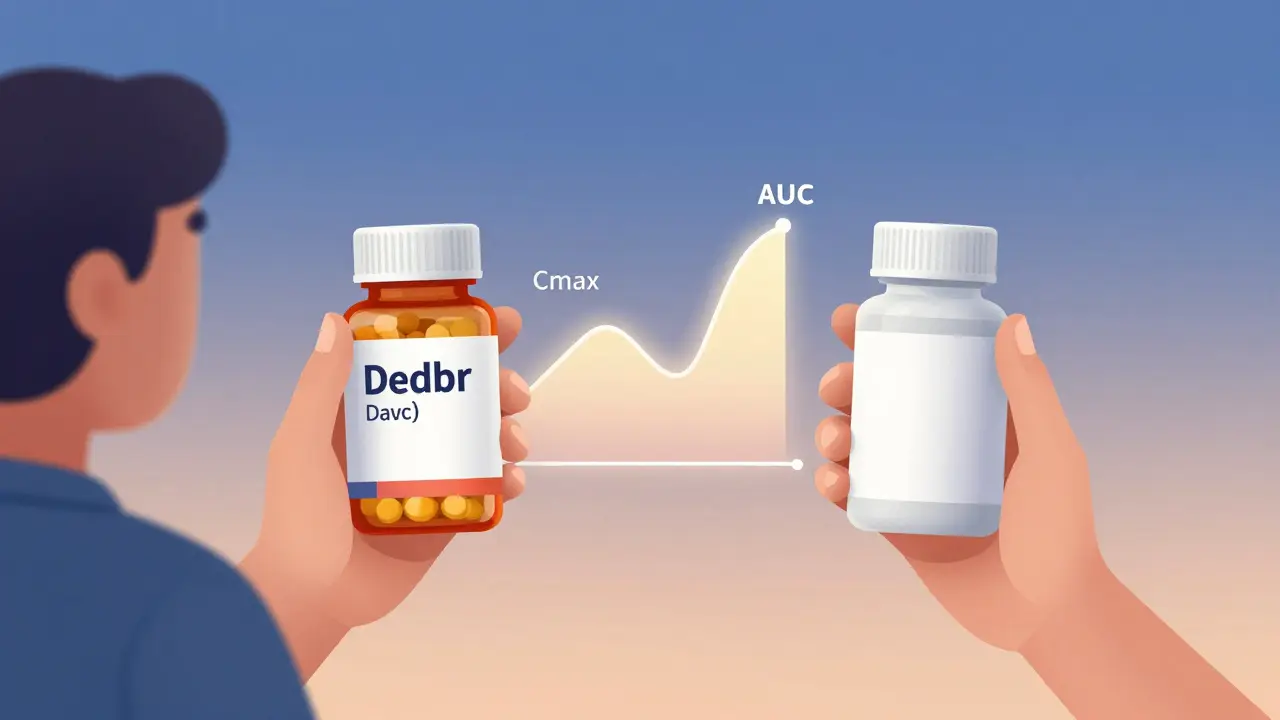 28 Feb
Clinical Studies on Generic Drug Efficacy: What the Research Really Shows
Clinical studies show generic drugs are just as effective as brand-name drugs for most people, saving billions in healthcare costs. But for a small number of patients on drugs with narrow therapeutic indices, switching can cause issues. Here's what the research really says.
Read More...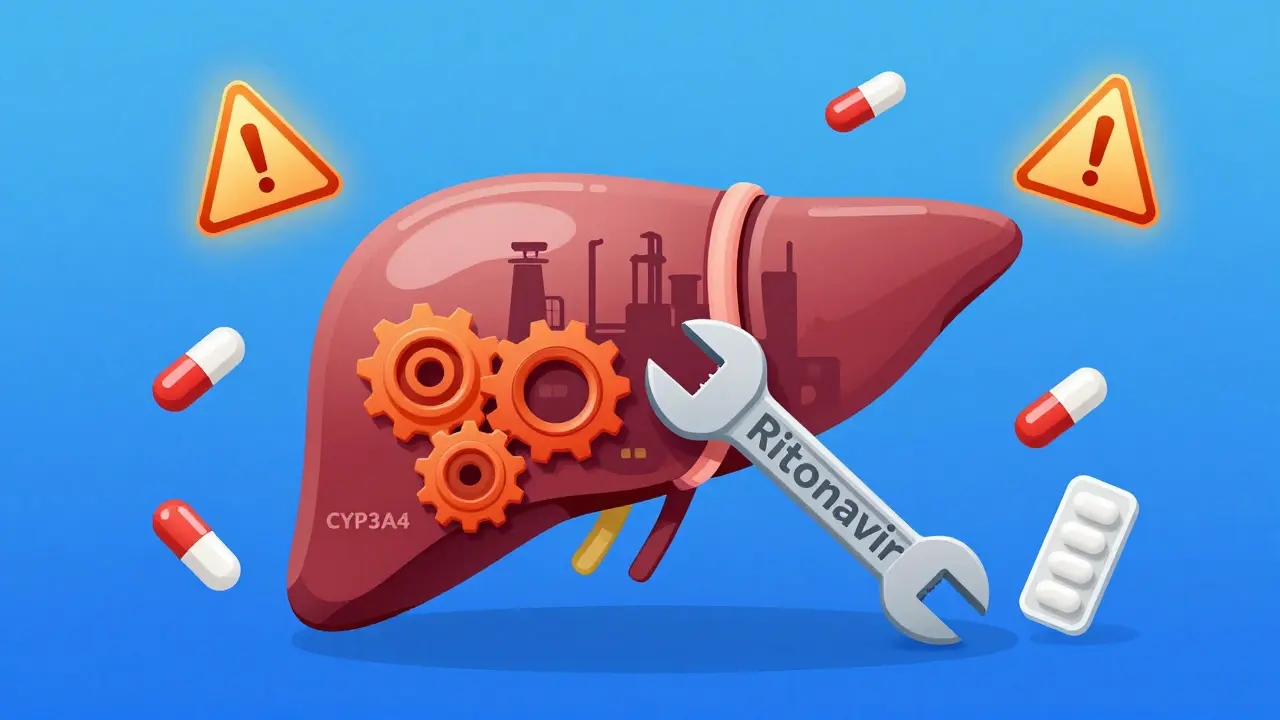 21 Feb
Lopinavir/Ritonavir Boosting: How CYP3A4 Interactions Shape Drug Safety and Treatment Outcomes
Lopinavir/ritonavir boosting relies on CYP3A4 inhibition to maintain HIV drug levels-but this mechanism triggers dangerous interactions with over 1,200 other medications. Learn how it affects statins, blood thinners, anesthesia, and birth control-and why it's still used despite safer alternatives.
Read More...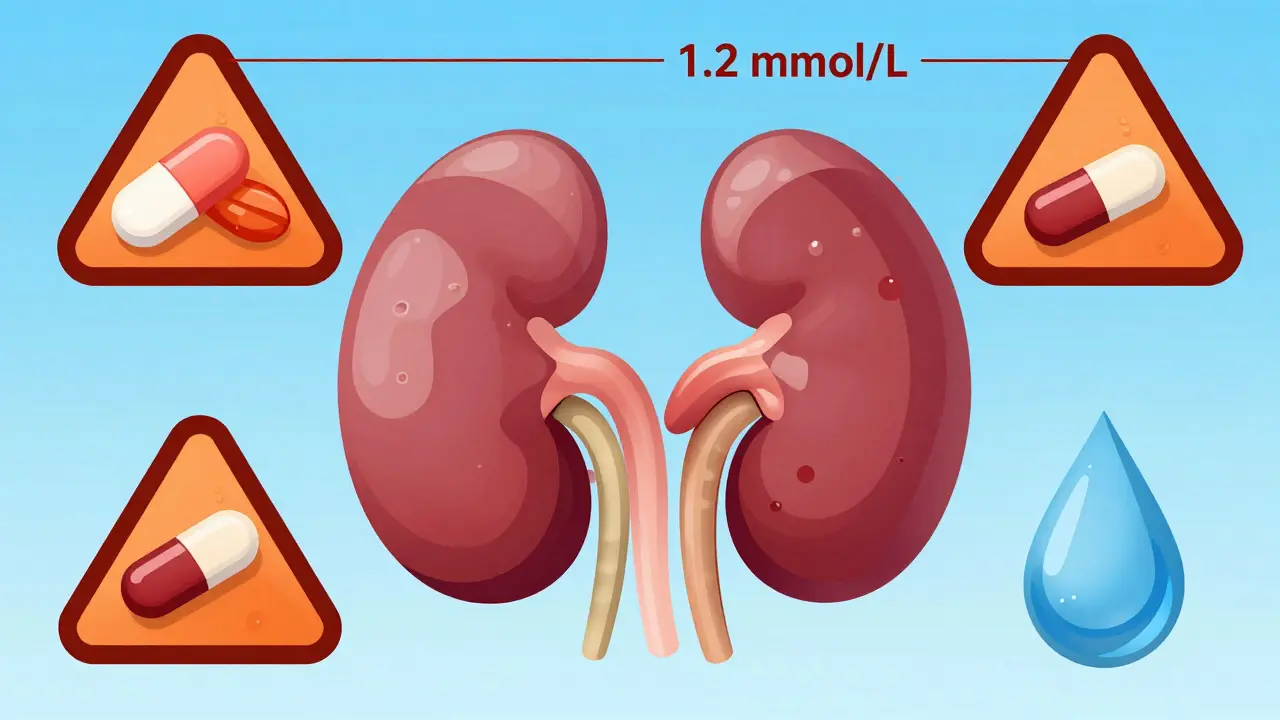 14 Feb
Lithium Interactions: NSAIDs, Diuretics, and Dehydration Risks
Lithium interactions with NSAIDs, diuretics, and dehydration can cause dangerous toxicity. Learn how common medications and lifestyle factors affect lithium levels - and what you must do to stay safe.
Read More...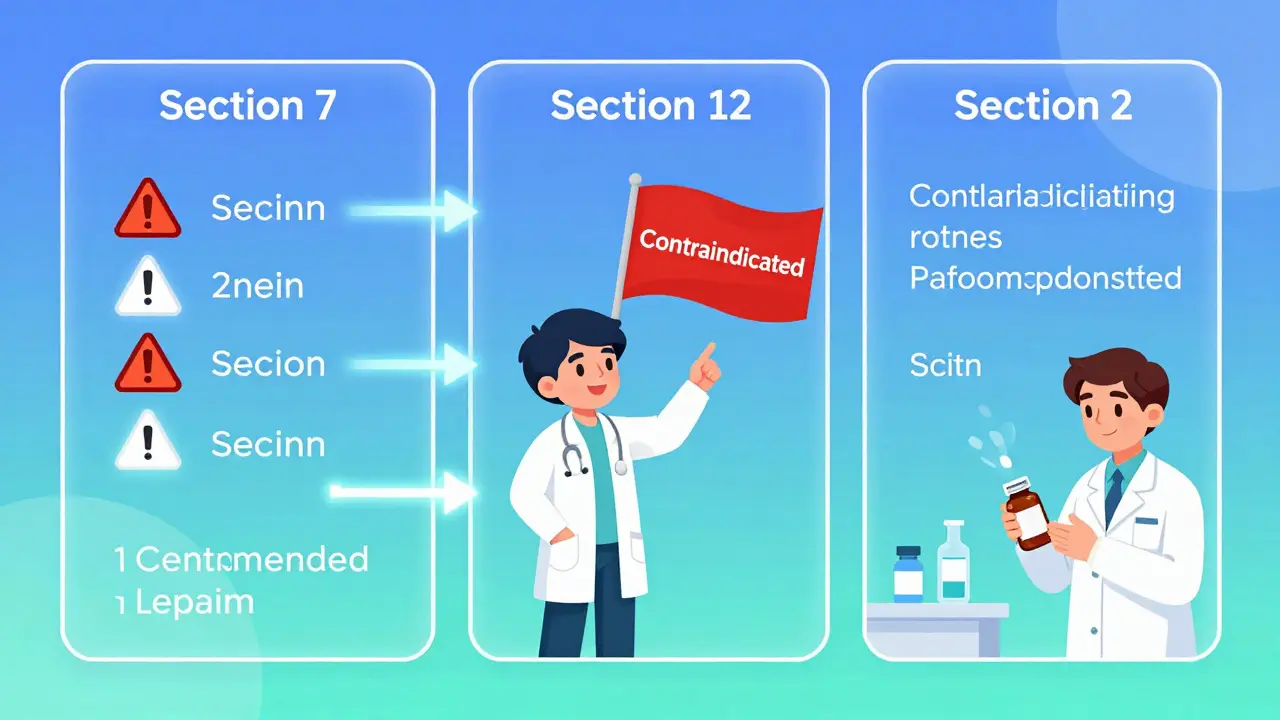 13 Feb
How to Read Drug Interaction Tables in FDA Labels
Learn how to read FDA drug interaction tables in prescribing labels to avoid dangerous drug combinations. Understand Section 7, 12, and 2, what AUC ratios mean, and how healthcare pros use them daily.
Read More...POPULAR POSTS
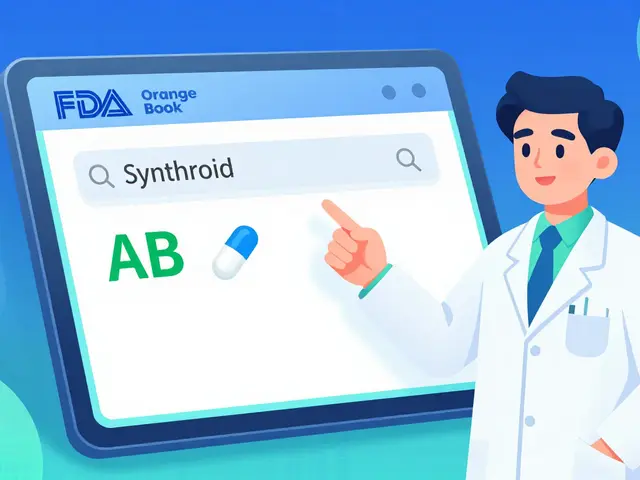
How to Verify the FDA Orange Book for Generic Equivalence
January 12 2026
Buy Online Cheap Generic Tetracycline - Fast, Safe, Affordable
October 10 2025