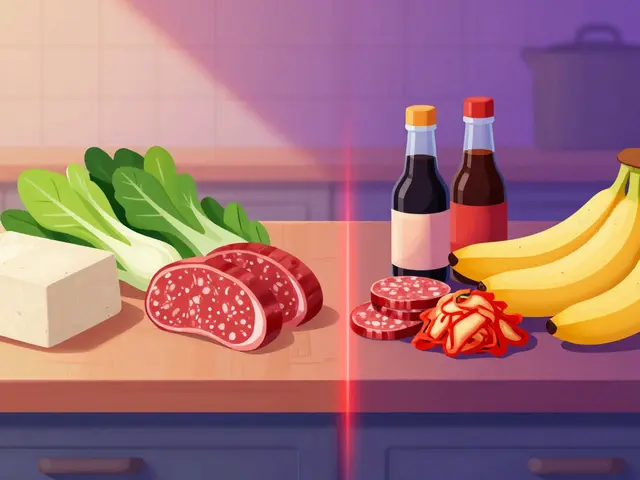
Fermented Foods and MAOIs: Tyramine Risks Beyond Cheese
January 8 2026
Aspirin: Uses, Risks, and What You Need to Know Before Taking It
When you think of aspirin, a widely used pain reliever and anti-inflammatory drug that also acts as a blood thinner. Also known as acetylsalicylic acid, it’s one of the few medications people take daily not just for pain, but to prevent heart attacks and strokes. It’s cheap, available over the counter, and has been around for over a century. But just because it’s common doesn’t mean it’s safe for everyone.
Aspirin works by blocking enzymes that cause pain, swelling, and fever—but it also stops platelets from clumping together. That’s why doctors sometimes recommend low-dose aspirin for people with a history of heart disease. But if you don’t have cardiovascular risk, taking it daily might do more harm than good. Studies show it can increase the chance of dangerous bleeding in the stomach or brain, especially in older adults. It’s not a daily vitamin—it’s a drug with real side effects.
People with ulcers, asthma triggered by NSAIDs, or kidney problems should avoid aspirin. Kids and teens recovering from viral infections shouldn’t take it at all—it’s linked to a rare but deadly condition called Reye’s syndrome. Even if you’re healthy, mixing aspirin with alcohol or other painkillers like ibuprofen can raise your risk of internal bleeding. And if you’re on blood thinners like warfarin or Eliquis, adding aspirin can be risky without medical supervision.
Not all aspirin is the same. Enteric-coated versions are designed to pass through the stomach and dissolve in the intestine, which some think reduces stomach upset. But research shows it doesn’t lower bleeding risk much. The dose matters too: 81 mg is common for heart protection, while 325 mg is used for pain. Taking the wrong dose can mean no benefit—or unnecessary danger.
Some people swear by aspirin for headaches or muscle soreness. Others take it because their doctor told them to. But few understand why. The science behind aspirin’s role in heart health is solid—but only for specific groups. For most healthy people, the risks outweigh the benefits. And if you’re thinking about stopping daily aspirin, don’t quit cold turkey. Sudden withdrawal can trigger a rebound effect that raises heart attack risk.
What you’ll find below aren’t just articles about aspirin. They’re real-world stories about how medications like it affect people every day—from how generics are made, to why insurance denies coverage, to how errors happen behind the counter. You’ll see how aspirin fits into bigger systems: drug safety, patient trust, and the fine line between prevention and harm. These aren’t theoretical discussions. They’re based on what’s happening in clinics, pharmacies, and homes right now.
 1 Dec
1 Dec
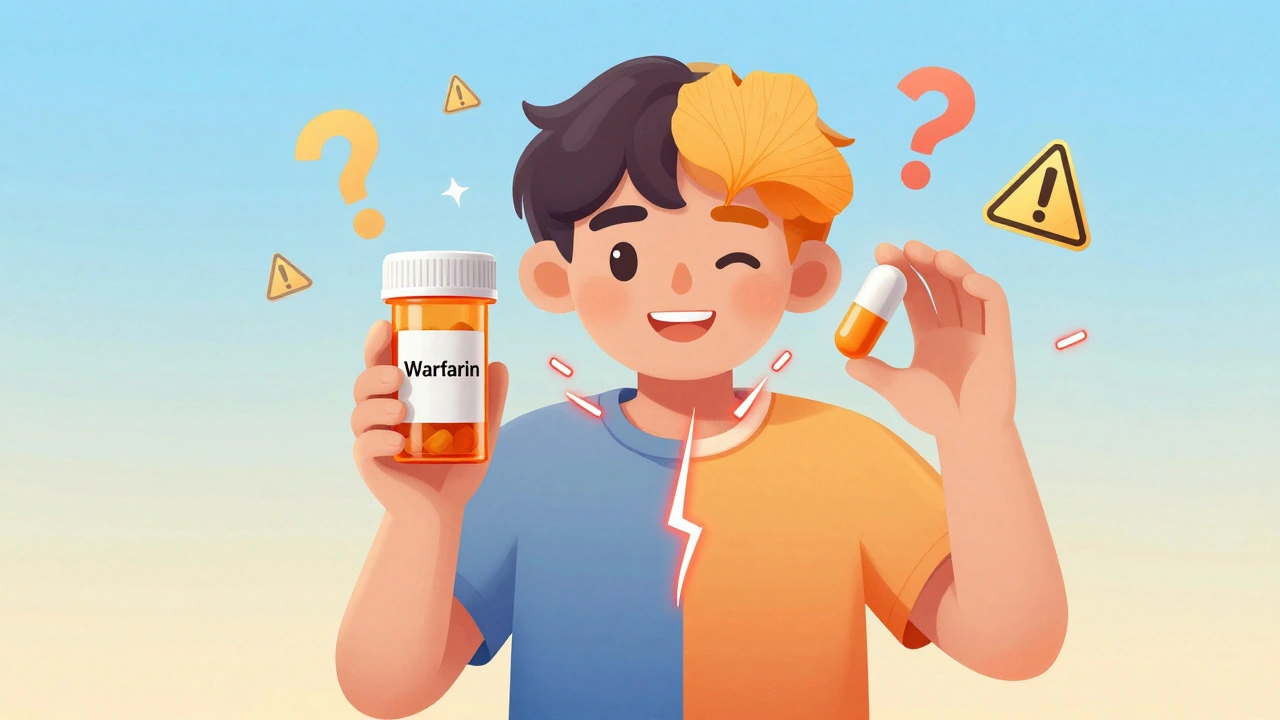
Ginkgo Biloba and Blood Thinners: What You Need to Know Before Taking Both
Ginkgo biloba may increase bleeding risk when taken with blood thinners like warfarin, aspirin, or clopidogrel. Learn what the science says, which combinations are most dangerous, and what you should do before taking either.
Read More...POPULAR POSTS