Explore Top 9 Alternatives to Northwestpharmacy.com in 2024
October 30 2024
Warfarin: What It Is, How It Works, and What You Need to Know
When you’re prescribed warfarin, a blood-thinning medication used to prevent dangerous clots in the veins and arteries. Also known as Coumadin, it’s one of the most widely used anticoagulants in the world. Unlike newer drugs like Eliquis or Xarelto, warfarin requires regular blood tests and careful diet management—but for millions, it’s still the best option to reduce stroke risk from atrial fibrillation, deep vein thrombosis, or mechanical heart valves.
What makes warfarin tricky isn’t the pill itself—it’s how your body reacts to it. Your INR level, measured through a simple blood test, tells your doctor if your blood is thinning enough. Too low, and you’re at risk for a clot. Too high, and you could bleed internally without warning. Foods high in vitamin K—like kale, spinach, and broccoli—can throw your INR off balance. So can alcohol, certain antibiotics, and even over-the-counter pain relievers. That’s why people on warfarin often keep a food and medication log. It’s not just about taking the pill. It’s about understanding how your life connects to it.
Missing a dose is one of the most common reasons people end up in the ER. If you forget your warfarin, what you do next depends on the time of day and your usual schedule. Skip it? Double up? Call your doctor? There’s no one-size-fits-all answer. That’s why the posts below cover real scenarios: what happens when you miss a dose, how to handle it safely, and what signs mean you need emergency help. You’ll also find clear breakdowns of how warfarin interacts with other drugs—like antibiotics, thyroid meds, and even herbal supplements. And because some people switch from warfarin to newer anticoagulants, you’ll see how they compare in cost, convenience, and risk.
There’s no sugarcoating it: warfarin demands attention. But for many, it’s the difference between living normally and facing a stroke or pulmonary embolism. The posts here don’t just repeat textbook facts. They show you how real people manage it—what works, what doesn’t, and what surprises them along the way. Whether you’ve been on it for years or just started, you’ll find practical advice that actually helps you stay safe and in control.
 7 Mar
7 Mar
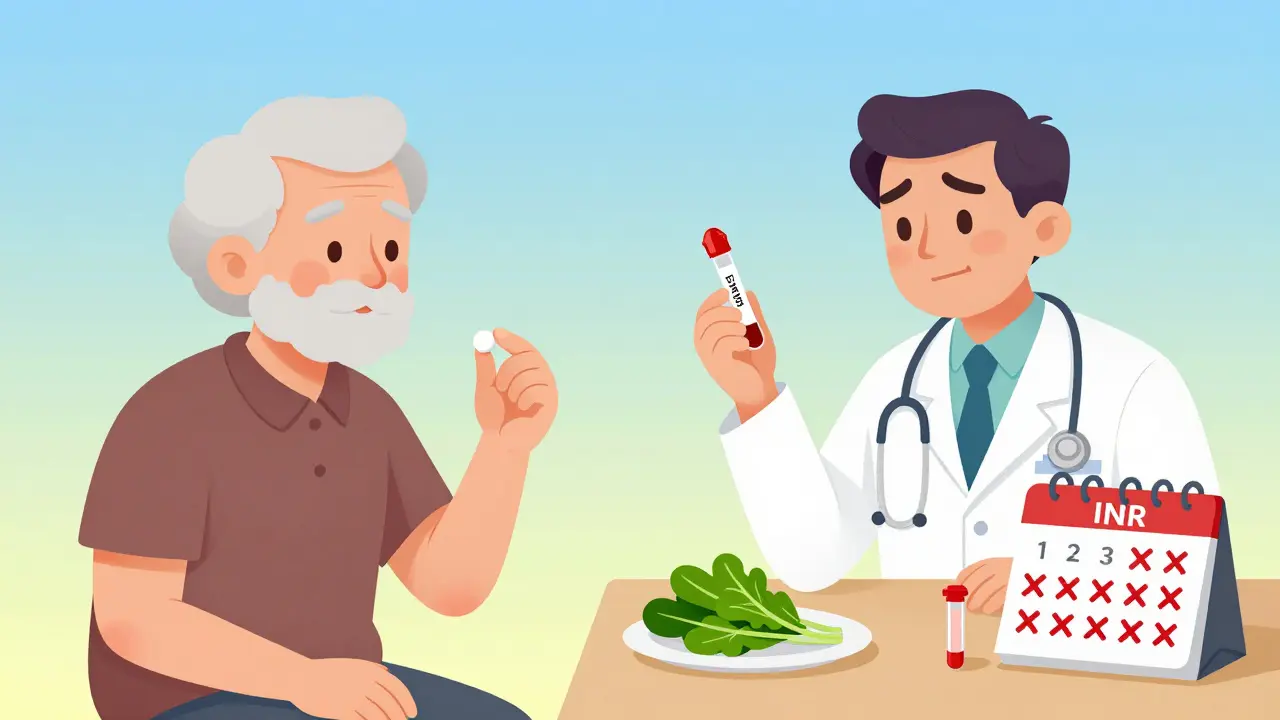
Direct Oral Anticoagulants vs Warfarin: Side Effect Comparison
DOACs like apixaban offer fewer bleeding risks, no dietary restrictions, and no blood tests-making them safer and simpler than warfarin for most people. But warfarin still matters for specific conditions and those without insurance.
Read More...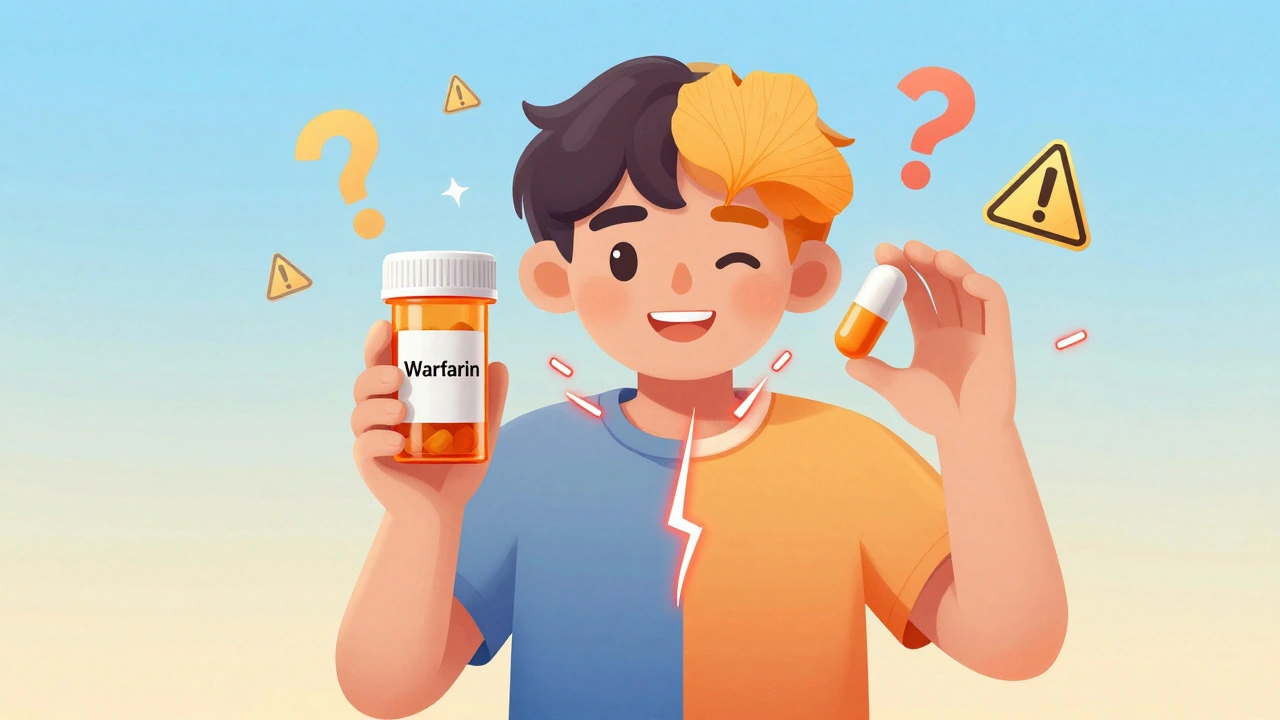 1 Dec
1 Dec
Ginkgo Biloba and Blood Thinners: What You Need to Know Before Taking Both
Ginkgo biloba may increase bleeding risk when taken with blood thinners like warfarin, aspirin, or clopidogrel. Learn what the science says, which combinations are most dangerous, and what you should do before taking either.
Read More...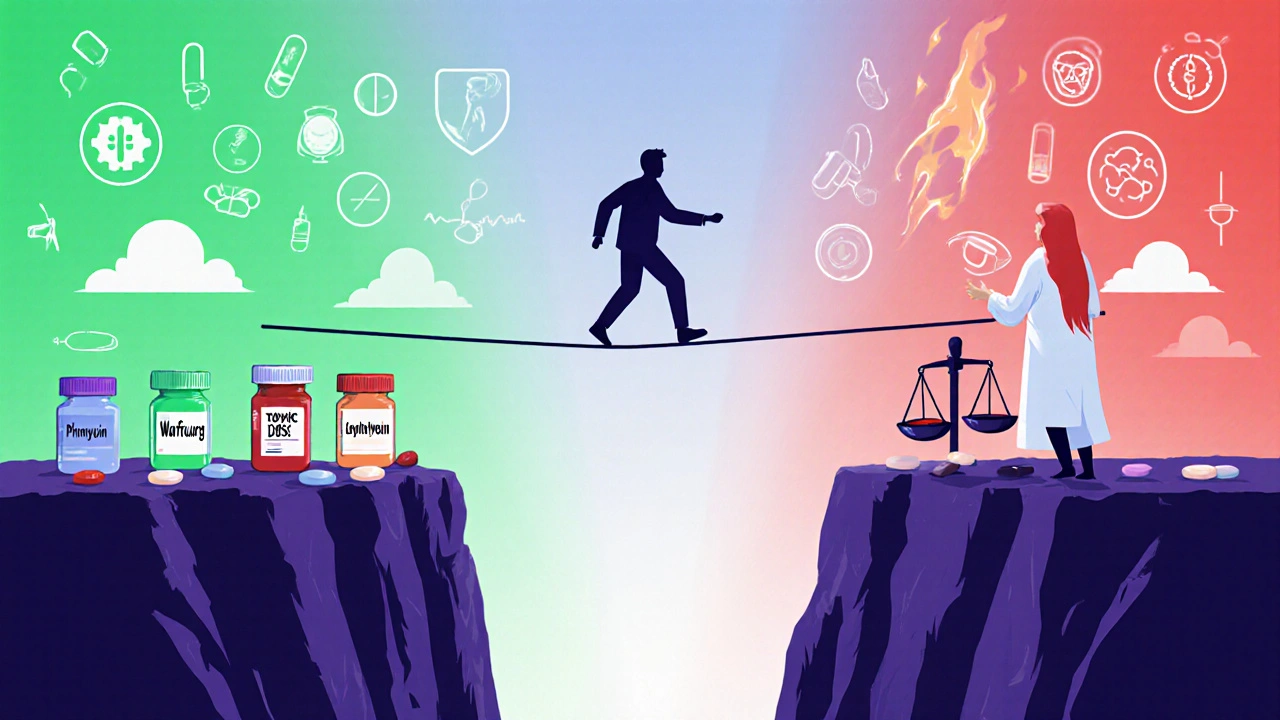 18 Nov
Clinical Outcomes After NTI Generic Switches: What Studies Show
Studies show that switching to generic versions of narrow therapeutic index (NTI) drugs like warfarin, phenytoin, and cyclosporine can lead to dangerous fluctuations in drug levels. Learn what the evidence says about safety, monitoring, and patient risks.
Read More...