Autoimmune Uveitis: Understanding Eye Inflammation and Steroid-Sparing Therapy
November 9 2025
QT Prolongation: What It Is, Why It Matters, and Which Medications Cause It
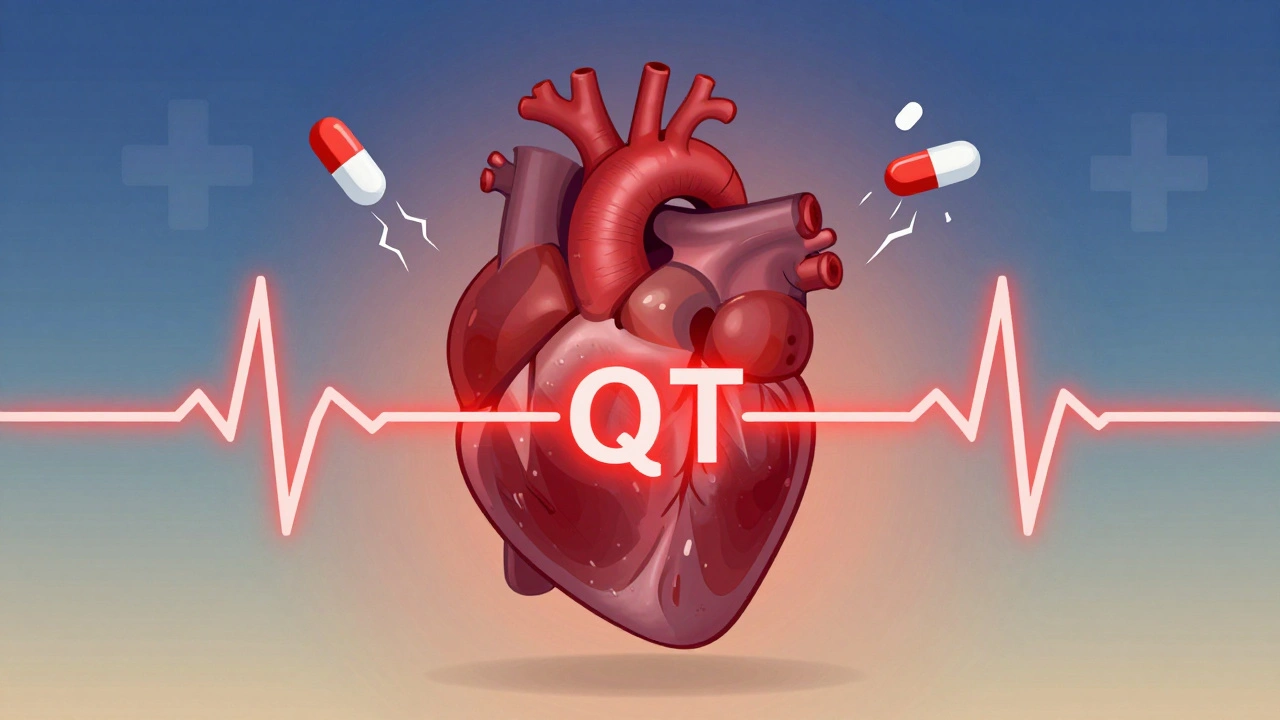
When your heart’s electrical cycle takes too long to reset between beats, it’s called QT prolongation, a delay in the heart’s repolarization phase that can trigger life-threatening irregular heartbeats. Also known as long QT syndrome, it’s not always genetic—often, it’s caused by the very drugs you take every day. This isn’t just a lab result. It’s a silent risk that can lead to torsades de pointes, a type of ventricular arrhythmia that may cause sudden cardiac arrest.
Many common medications can stretch out the QT interval. Antibiotics, like erythromycin and azithromycin, are among the biggest culprits, especially when mixed with other drugs. Antihistamines, such as diphenhydramine or terfenadine (now banned in the U.S.), were once household names and still appear in OTC sleep aids and allergy pills. Even antidepressants, including citalopram and escitalopram, carry warnings because they can interfere with the heart’s potassium channels. And don’t forget blood thinners, like warfarin—while they don’t directly prolong QT, they’re often used alongside drugs that do, raising the risk in older adults with multiple conditions.
It’s not just about the drug. Age, gender, kidney or liver disease, and genetics all stack the deck. Women are more likely than men to develop drug-induced QT prolongation. Older adults taking five or more meds are at higher risk. And if you’ve ever had a fainting spell with no clear cause, that could’ve been your body’s warning sign.
What you’ll find below isn’t theory. It’s real cases, real data, and real advice from posts that dig into how medications interact, how hospitals catch these risks before they turn deadly, and why some drug combinations are more dangerous than others. You’ll see how manufacturers track safety issues, how the FDA flags risky combinations, and how patients can spot red flags before they become emergencies. This isn’t just about knowing what QT prolongation is—it’s about knowing what to ask your doctor, what to watch for, and how to protect yourself when you’re on meds.
 7 Dec
7 Dec
QT Prolongation with Fluoroquinolones and Macrolides: Monitoring Strategies
Fluoroquinolones and macrolides can prolong the QT interval, increasing the risk of life-threatening heart rhythms. Learn who's at risk, how to monitor with ECG, and which antibiotics are safer alternatives.
Read More...POPULAR POSTS