Pneumocystis Pneumonia Prophylaxis with Immunosuppressants: Who Needs It?
January 14 2026
Medication Errors: What Causes Them and How to Avoid Them
When you take a pill, you expect it to help—not hurt. But medication errors, mistakes in prescribing, dispensing, or taking medicine that can lead to serious harm or death. Also known as drug errors, they’re one of the leading causes of preventable injury in healthcare. These aren’t just rare accidents. They happen every day because of simple oversights: a doctor writing "QD" instead of "daily," a pharmacist mixing up similar-looking bottles, or a patient forgetting whether they took their pill at 8 a.m. or 8 p.m.
Some errors come from dangerous medical abbreviations, shorthand used in prescriptions that look like other terms and cause deadly confusion. For example, "U" for units can be mistaken for "4," and "MS" for morphine sulfate might be read as "M.S." for magnesium sulfate. The FDA has a "Do Not Use" list for these for a reason—they’ve killed people. Other errors happen with NTI drugs, narrow therapeutic index medications where even tiny changes in dose can cause toxicity or treatment failure. Drugs like warfarin, phenytoin, and levothyroxine fall into this category. Switching from brand to generic might seem harmless, but studies show patients on these drugs often experience dangerous swings in blood levels after a switch. Even something as simple as generic substitution, when a pharmacy replaces a brand-name drug with a generic version without the doctor’s explicit approval. For many, it’s fine. For others—especially older adults on five or more meds—it’s a recipe for confusion, missed doses, or dangerous interactions. And don’t forget the role of prescription errors, mistakes made at the point of writing or transmitting a prescription. A typo, a misread handwriting, or an automated system suggesting the wrong dose can all lead to harm.
These aren’t just hospital problems. They happen at home too. An older adult taking a sedating antihistamine for allergies might fall. Someone on blood thinners skips a dose because they’re unsure what to do. A person with kidney disease takes Tums for heartburn, not knowing it’s loaded with calcium that can wreck their kidneys. The truth? Most medication errors are avoidable—but only if you know what to look for.
Below, you’ll find real-world guides that break down exactly how these mistakes happen—and how to stop them. From the hidden dangers of medical shorthand to why some generics aren’t as interchangeable as they seem, these posts give you the tools to spot risks before they hurt you or someone you care about.
 27 Jan
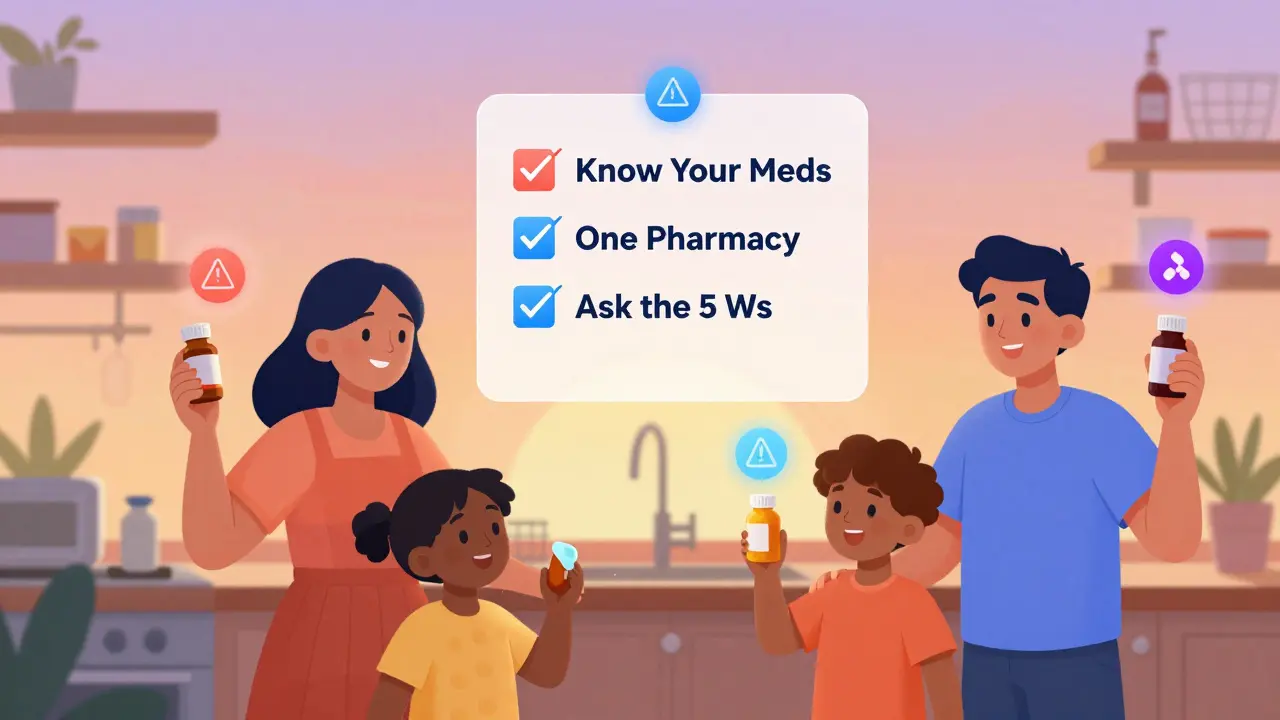
Medication Safety Statistics: What Patients Need to Know About Errors, Risks, and How to Protect Yourself
Medication errors harm over 1.5 million Americans each year. Learn the most dangerous drugs, who's at risk, how fake pills are killing people, and what you can do to stay safe.
Read More...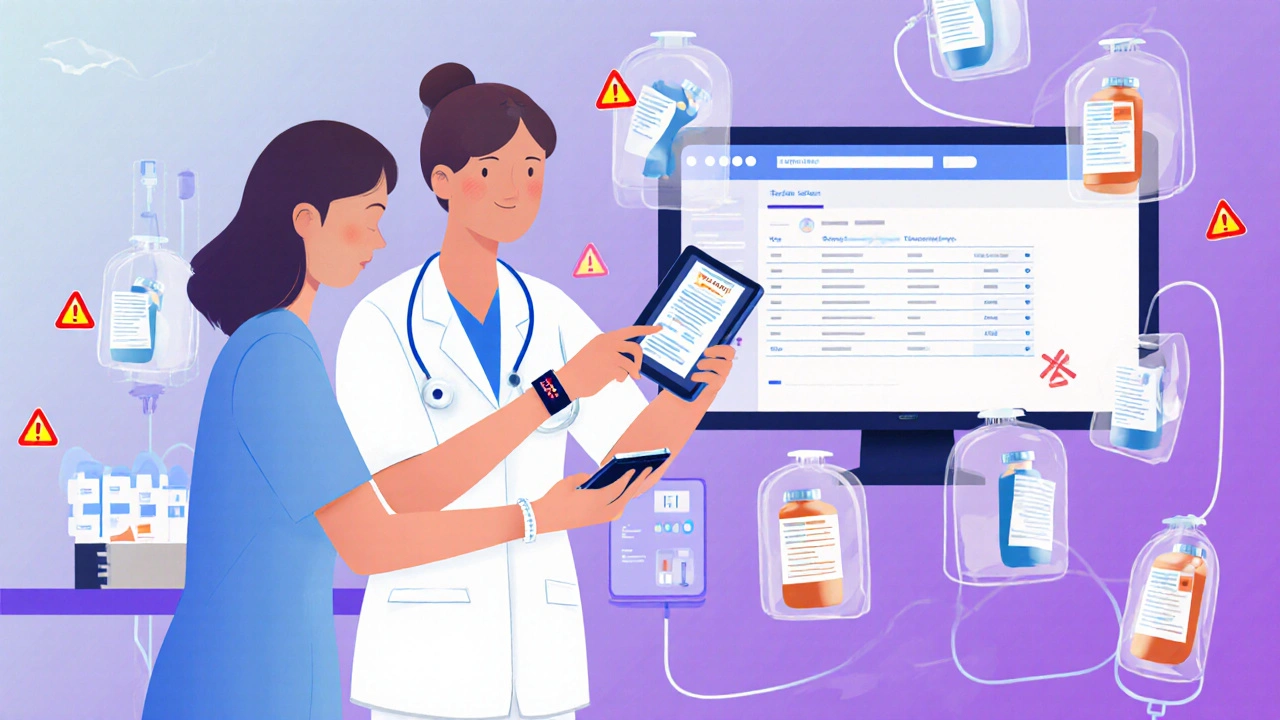 22 Nov
Medication Errors in Hospitals vs. Retail Pharmacies: What Really Happens Behind the Counter
Medication errors happen in both hospitals and retail pharmacies, but the causes, frequency, and consequences differ greatly. Hospitals have more errors but better safety nets. Pharmacies have fewer errors - but patients are often the last line of defense.
Read More...POPULAR POSTS
Buy Cheap Generic Zoloft Online - Safe & Affordable Options
October 4 2025
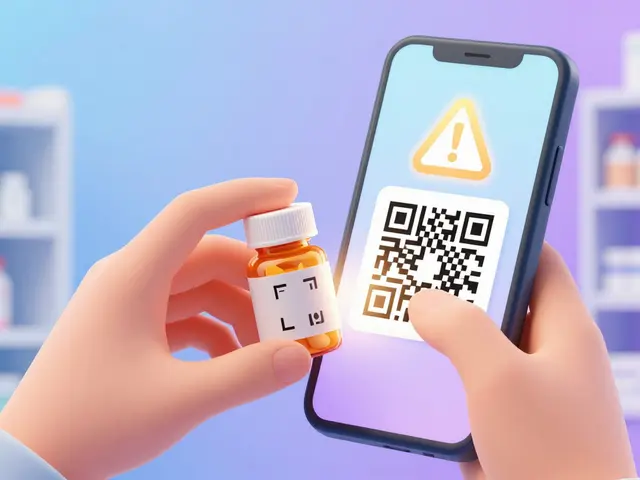
QR Codes on Drug Labels: How Real-Time Safety Updates Save Lives
February 4 2026
Actinic Keratosis: How Dermoscopy Improves Diagnosis
September 25 2025