
Clindamycin and C. difficile Risk: When to Seek Care
February 7 2026
Fluoroquinolones: What They Are, Risks, and Why They're Controversial
When you hear fluoroquinolones, a class of broad-spectrum antibiotics used to treat bacterial infections like pneumonia, urinary tract infections, and sinusitis. Also known as FQs, they include drugs like ciprofloxacin, levofloxacin, and moxifloxacin—once go-to treatments for stubborn infections. But over time, their use has become heavily restricted because of serious, sometimes permanent, side effects. These aren’t just typical antibiotic side effects like nausea or diarrhea. Fluoroquinolones can damage tendons, nerves, muscles, and even the aorta. The FDA has issued multiple black box warnings—the strongest kind—for these risks, especially in older adults, people on steroids, or those with kidney or heart problems.
One major reason fluoroquinolones are now used only as a last resort is antibiotic resistance, the process where bacteria evolve to survive exposure to drugs like these. Overprescribing FQs in the past—sometimes for minor infections like bronchitis or ear infections—helped create superbugs that no longer respond to common treatments. At the same time, antibiotic side effects, particularly the rare but devastating ones like tendon rupture or peripheral neuropathy have been reported in thousands of patients, even after just one dose. Many people don’t realize these reactions can show up weeks after stopping the drug, and they don’t always go away.
Doctors today are far more cautious. If you’ve been prescribed a fluoroquinolone, ask if there’s a safer alternative. For many common infections, simpler antibiotics like amoxicillin or doxycycline work just as well—with far fewer risks. And if you’ve taken one before and had strange symptoms—tingling, joint pain, or sudden weakness—those might not have been "just bad luck." They could be linked to the drug. The science is clear: fluoroquinolones aren’t harmless shortcuts. They’re high-stakes tools, reserved for life-threatening cases where nothing else works.
Below, you’ll find real-world posts that dig into how these drugs affect patients, why some people are more vulnerable, how they compare to other antibiotics, and what to watch for if you’ve been prescribed one. This isn’t theoretical—it’s about what happens when powerful medicine meets real human bodies.
 7 Dec
7 Dec
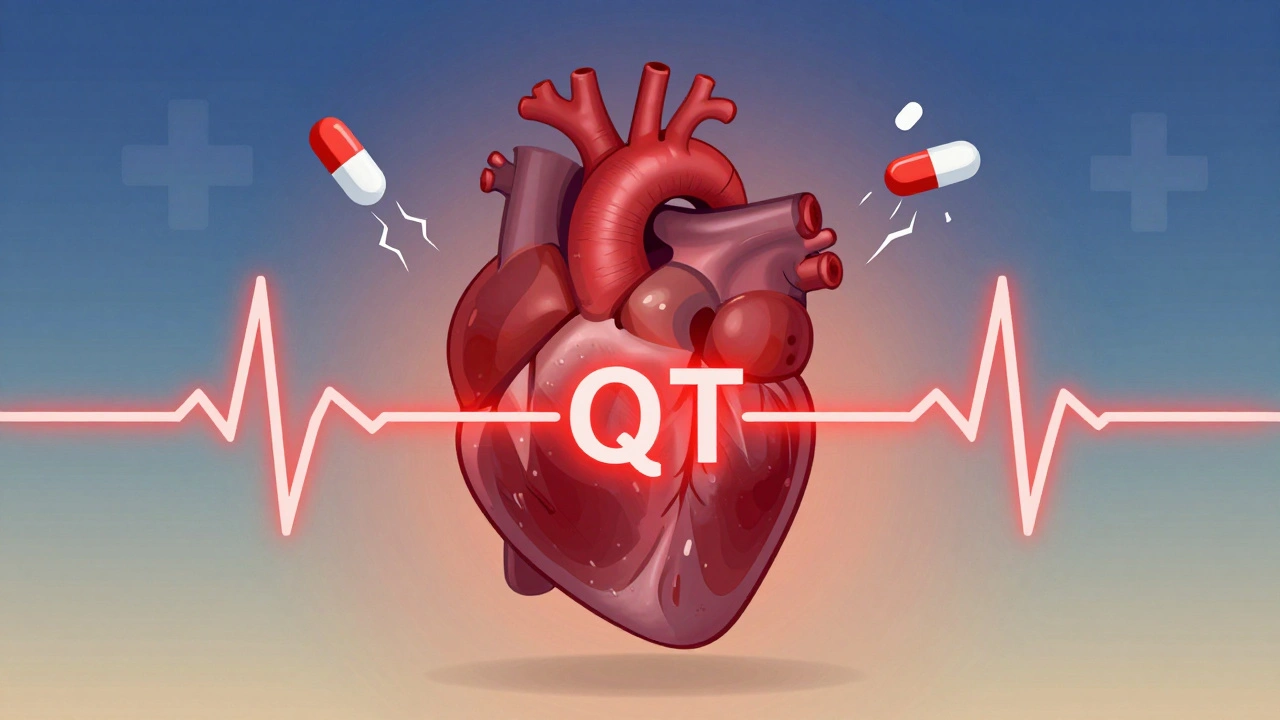
QT Prolongation with Fluoroquinolones and Macrolides: Monitoring Strategies
Fluoroquinolones and macrolides can prolong the QT interval, increasing the risk of life-threatening heart rhythms. Learn who's at risk, how to monitor with ECG, and which antibiotics are safer alternatives.
Read More...