Cobix (Celecoxib) vs Other NSAIDs: Detailed Comparison
October 16 2025
Clopidogrel: What It Is, How It Works, and What You Need to Know
When your doctor prescribes clopidogrel, a prescription antiplatelet drug that stops blood clots from forming by blocking platelets from sticking together. Also known as Plavix, it’s one of the most widely used medications for people who’ve had a heart attack, stroke, or stent placed in their arteries. Unlike blood thinners like warfarin that affect clotting factors, clopidogrel works directly on platelets — the tiny cells in your blood that clump together to form clots. This makes it especially useful for preventing clots in arteries, where sudden blockages can trigger heart attacks or strokes.
Clopidogrel doesn’t work for everyone the same way. Some people are "poor metabolizers" — their bodies don’t convert it into its active form efficiently. This is why doctors sometimes test for genetic variations before prescribing it. It’s also often paired with aspirin in what’s called dual antiplatelet therapy, especially after a stent. But mixing it with other drugs can be risky. For example, some acid reducers like omeprazole can interfere with clopidogrel’s effectiveness. And if you’re taking it before surgery, your doctor will likely ask you to stop it a few days ahead to avoid dangerous bleeding.
It’s not just about the drug itself — it’s about how it fits into your overall heart health. People on clopidogrel often have other conditions like high blood pressure, diabetes, or high cholesterol. That’s why many of the posts below cover related topics: what happens when you miss a dose, how it compares to other antiplatelet drugs like ticagrelor, and why some patients switch from brand to generic versions without issues — while others don’t. You’ll also find real-world advice on managing side effects like bruising, nosebleeds, or stomach upset, and what to do if you think you’re having an allergic reaction.
There’s a reason clopidogrel shows up in posts about medication errors, insurance denials, and generic drug switches. It’s a high-alert medication. One wrong dose or interaction can lead to serious harm. But when used right, it saves lives. The posts here don’t just list facts — they show you what actually happens in clinics, pharmacies, and homes. Whether you’re a patient, caregiver, or just trying to understand your prescription, this collection gives you the clear, no-fluff details you need to stay safe and informed.
 1 Dec
1 Dec
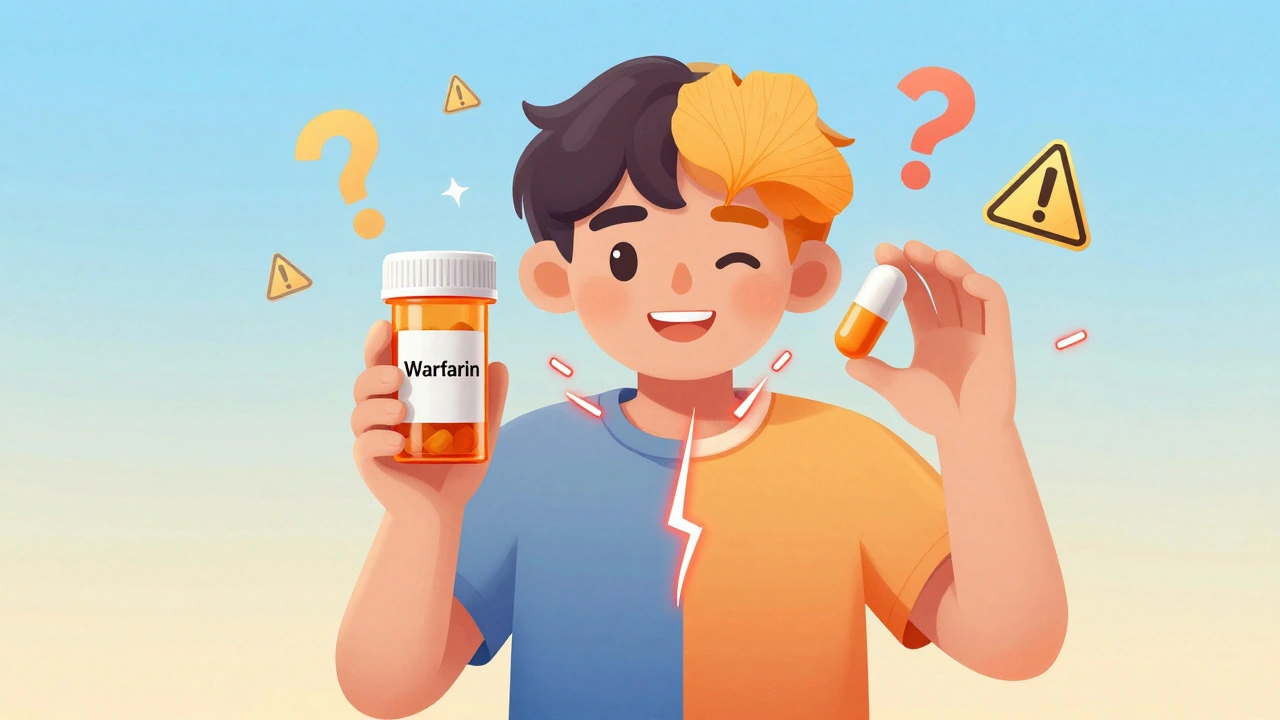
Ginkgo Biloba and Blood Thinners: What You Need to Know Before Taking Both
Ginkgo biloba may increase bleeding risk when taken with blood thinners like warfarin, aspirin, or clopidogrel. Learn what the science says, which combinations are most dangerous, and what you should do before taking either.
Read More...