

The U.S. pharmaceutical supply chain handles over 5 billion prescription drug transactions every year. That’s a lot of pills, injections, and packages moving from factories to pharmacies. And for years, there was no reliable way to know if any of those packages were fake - until the DSCSA changed everything.
What Is the DSCSA, and Why Does It Matter?
The Drug Supply Chain Security Act, or DSCSA, is a federal law passed in 2013 to stop counterfeit drugs from getting into the hands of patients. Before DSCSA, there was no national system to track prescription drugs. Some states had their own rules, but they didn’t talk to each other. A pill shipped from Ohio could be verified in California, but only if the pharmacy had the right tools - and most didn’t. The DSCSA fixes that. It requires every company in the drug supply chain - manufacturers, wholesalers, repackagers, and pharmacies - to use electronic systems to track each package from the moment it’s made until it’s sold to a customer. Each package gets a unique digital fingerprint: a serial number, lot number, expiration date, and the National Drug Code (NDC). All of this is printed in both human-readable text and a machine-scannable barcode. By November 27, 2024, every single prescription drug package in the U.S. must be traceable at the unit level. That means if a batch of blood pressure pills turns out to be contaminated, regulators and pharmacies can find exactly which 127 packages are affected - not the whole warehouse.How the System Works: The Three Key Pieces
The DSCSA doesn’t just require barcodes. It demands a full digital paper trail. Every time a drug package changes hands, three things must be exchanged electronically:- Transaction Information (TI): What the product is (NDC, serial number, lot, expiration), who sent it, and who received it.
- Transaction History (TH): The full chain of custody - who owned it before, and who owned it before that.
- Transaction Statement (TS): A legal certification that the transfer was legitimate and compliant.
Why Counterfeit Drugs Are a Real Threat
Counterfeit drugs aren’t just fake labels. They’re dangerous. Some contain no active ingredient. Others have too much - or the wrong - drug. In 2021, the FDA found counterfeit versions of popular diabetes and heart medications with toxic levels of lead and arsenic. Others were filled with chalk, sugar, or even rat poison. Before DSCSA, these could slip through. A fake batch might be sold to a small pharmacy in a rural town, where staff didn’t have the tools to verify it. Patients would take them for weeks before anything went wrong. Now, the system blocks those packages before they even reach the shelf. The FDA estimates that DSCSA will reduce counterfeit drug incidents by 95% by 2025. That’s not a guess. It’s based on real data from countries like the EU, which implemented a similar system in 2019. Since then, counterfeit drug seizures in Europe have dropped by over 80%.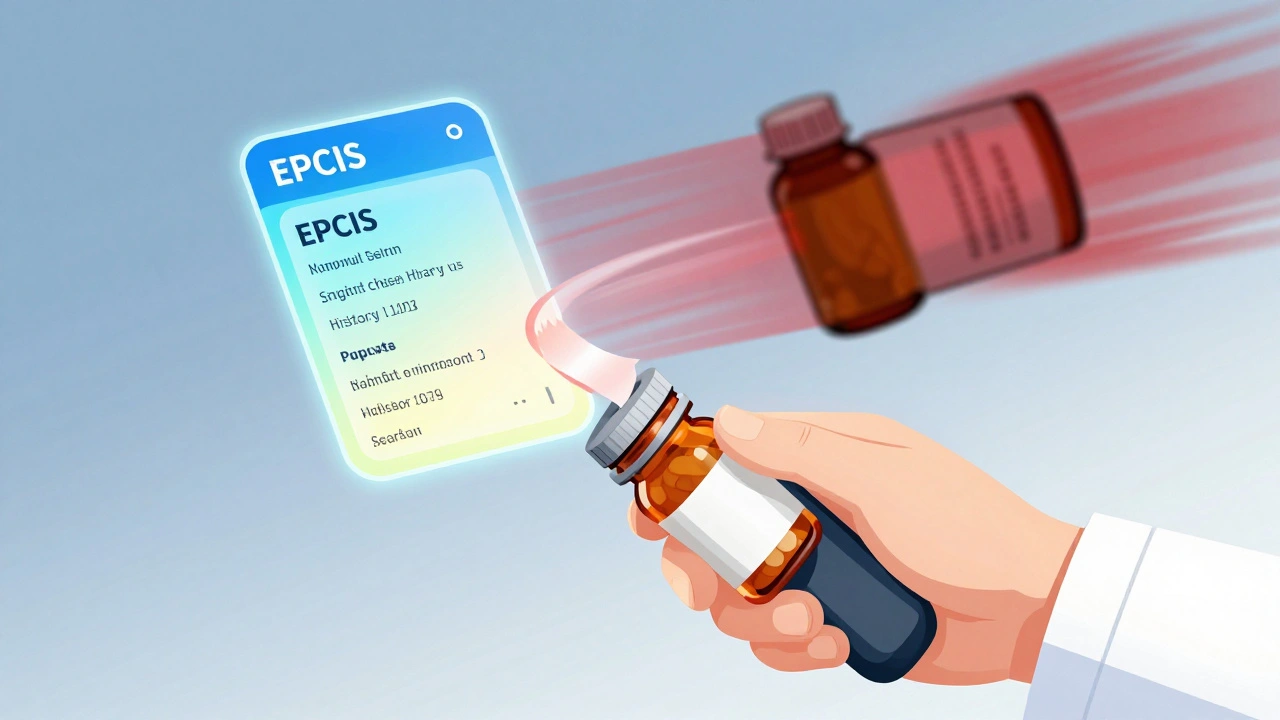
Who’s Doing It Right - and Who’s Struggling
Large chain pharmacies like CVS and Walgreens spent hundreds of millions upgrading their systems. CVS reported a 75% drop in suspect product investigations after going live with automated DSCSA verification. McKesson, one of the biggest distributors, now handles over 1.2 billion serialized transactions a year with 99.98% accuracy. But smaller pharmacies? They’re in trouble. A 2023 survey by the National Community Pharmacists Association found that 68% of independent pharmacies said DSCSA compliance was their biggest technology challenge. The average cost to upgrade? Around $185,000. That’s more than many of them make in a year. Some still use paper logs. Others have software that doesn’t talk to their wholesaler’s system. The result? Delays. A package might sit in the back room for two or three days while someone manually checks serial numbers. In some cases, patients get their prescriptions late - or not at all.The Tech Behind the System
The DSCSA doesn’t just rely on barcodes. It uses GS1 standards - the same global system that tracks your Amazon package or your grocery items. Each serial number is 20 characters long, using letters and numbers. It’s unique to every single package. No two are the same. Manufacturers use serialization software to generate these codes at the production line. Wholesalers use verification systems to scan incoming shipments. Pharmacies use scanners at the point of sale to check each bottle before handing it to a customer. The real challenge? Making all these systems talk to each other. Not every vendor uses the same software. Some use TraceLink. Others use SAP or Oracle. If one system sends data in a slightly different format, the receiving system can’t read it. That’s why so many pharmacies report “data mismatches” - it’s not a human error. It’s a tech gap.What Happens When Something Looks Suspicious?
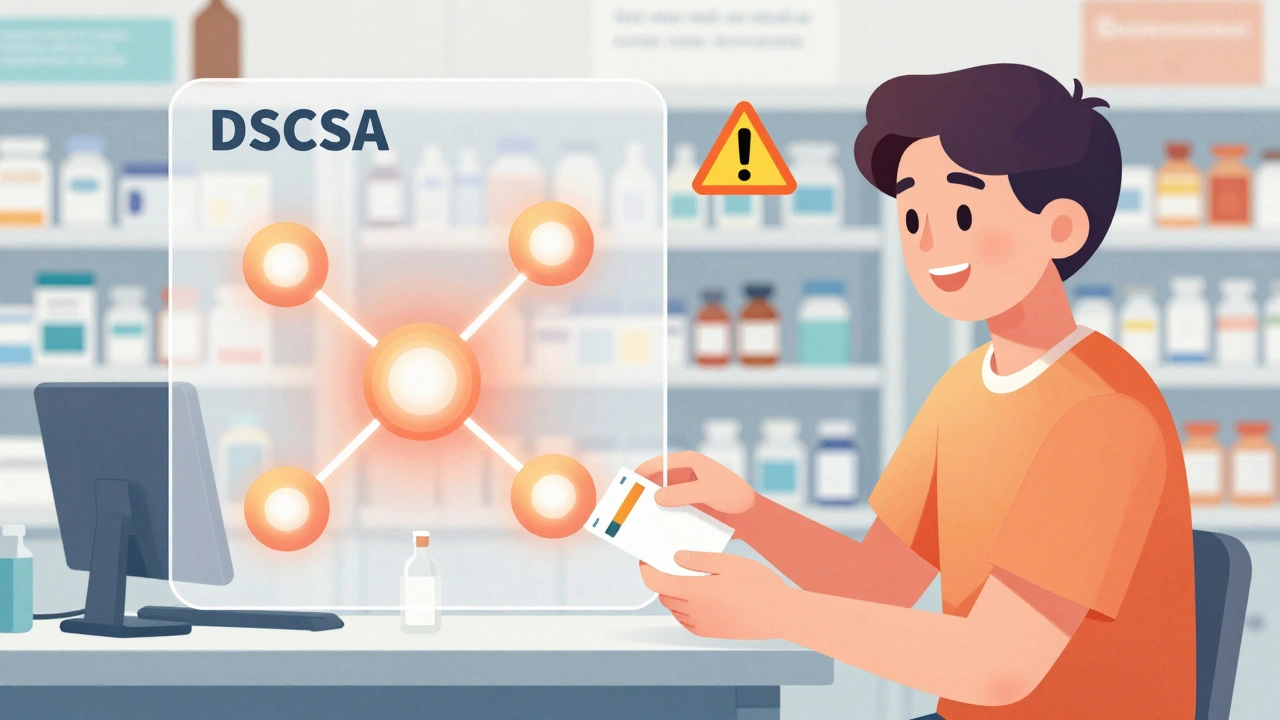
When a pharmacy’s system flags a package as suspect - maybe the serial number isn’t in the manufacturer’s database - they can’t just throw it away. The law requires them to:- Quarantine the product immediately.
- Verify it with the manufacturer using official channels.
- Report it to the FDA within 24 hours.
- Keep records of the entire investigation.



Katherine Gianelli
December 2, 2025 AT 20:06