Generic Drug Contamination: Recent Cases and Prevention Strategies
February 5 2026
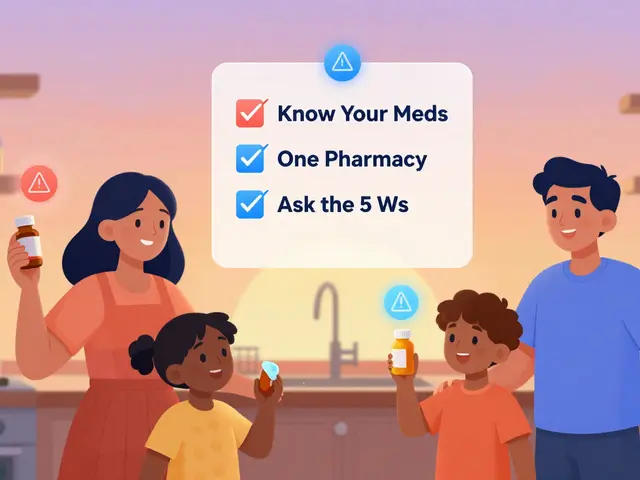
Brand vs Generic Medications: What You Really Need to Know
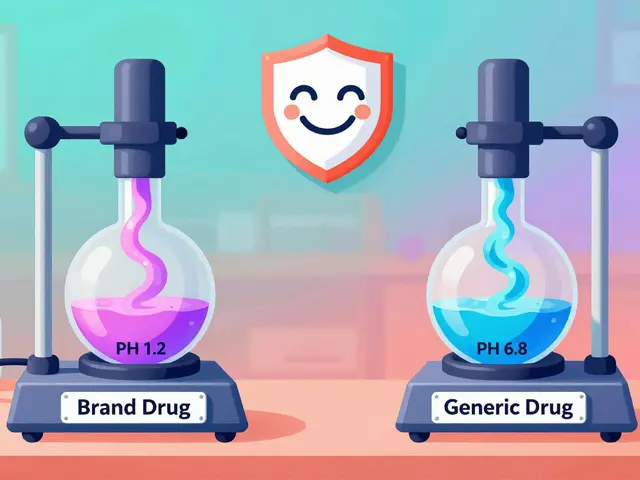
When you pick up a prescription, you might see two options: the brand name drug, a medication originally developed and marketed by a pharmaceutical company under a patent. Also known as name-brand medicine, it often comes with a higher price tag and familiar packaging. Or there’s the generic medication, a copy of that brand drug made after the patent expires, with the same active ingredient, dosage, and intended effect. Also known as generic drug, it’s usually cheaper and just as effective—but not always identical in look or feel. The big question isn’t whether they work the same—it’s why they look so different, why some people swear by one over the other, and whether the cost savings are real or just a marketing trick.
Here’s the truth: both brand and generic drugs must meet the same strict standards set by health regulators like the FDA or EMA. They contain the same active ingredient, work the same way in your body, and are held to the same safety rules. But the inactive parts—like fillers, dyes, or coatings—can vary. That’s why a generic pill might be a different color, shape, or size. For most people, this doesn’t matter. But for someone with a rare allergy to a dye, or someone who’s sensitive to certain excipients, those small differences can cause real issues. That’s why cultural beliefs, past experiences, and even the way a pill looks can affect whether someone takes their medicine as prescribed. And yes, some people feel better on the brand version—not because it’s stronger, but because their brain expects it to work better. That’s not imaginary; it’s called the placebo effect, and it’s powerful.
Cost is where the real difference shows up. A brand drug can cost ten times more than its generic twin. For chronic conditions like high blood pressure, diabetes, or depression, that adds up fast. That’s why many insurance plans push generics first. But here’s something most people don’t know: sometimes, the same generic drug comes from the same factory as the brand version. Manufacturers often make both under the same roof, just with different labels. So when you buy a generic, you’re not getting a lower-quality product—you’re just skipping the marketing budget. The key is knowing when to stick with the brand (like with narrow-therapeutic-index drugs such as warfarin or thyroid meds) and when a generic is perfectly safe. And if you’re buying online, make sure the pharmacy is legit. Counterfeit meds are rare in regulated markets, but they do exist, especially when you skip the middleman.
What you’ll find below are real stories and clear breakdowns from people who’ve navigated this choice themselves—from those managing autoimmune uveitis with cyclosporine to folks switching from Cialis to generic tadalafil, or choosing between Avodart and finasteride for prostate health. You’ll see how culture, cost, and personal experience shape decisions. You’ll learn what to ask your pharmacist, how to spot a trustworthy online source, and why sometimes, the cheapest option isn’t always the best fit. This isn’t about choosing sides. It’s about making an informed move.
 28 Feb
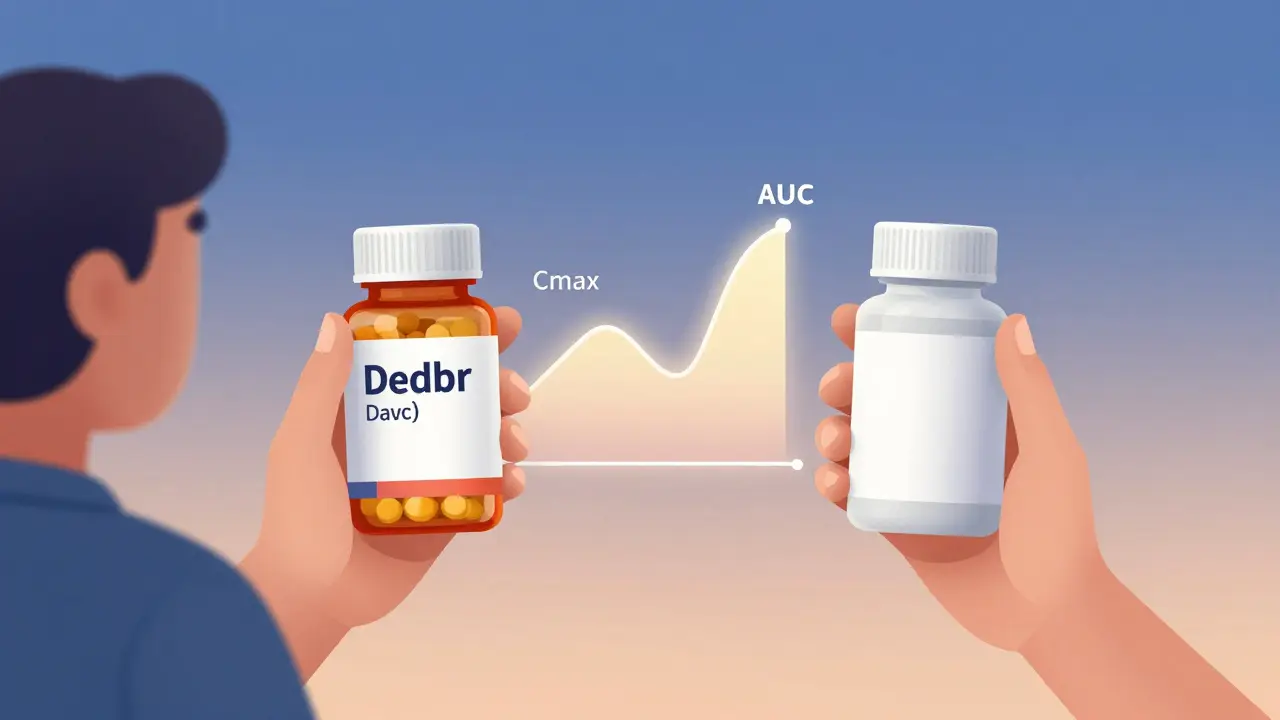
Clinical Studies on Generic Drug Efficacy: What the Research Really Shows
Clinical studies show generic drugs are just as effective as brand-name drugs for most people, saving billions in healthcare costs. But for a small number of patients on drugs with narrow therapeutic indices, switching can cause issues. Here's what the research really says.
Read More...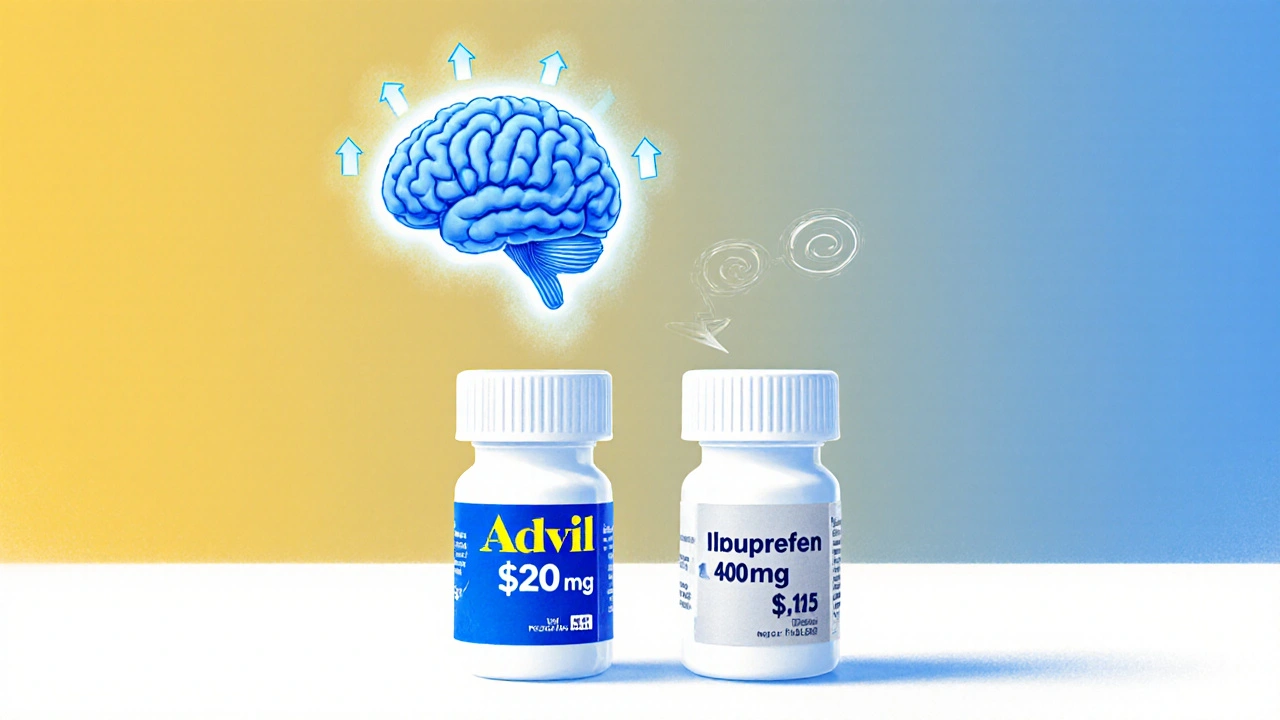 10 Nov
Placebo Effect with Generics: Why Psychology Matters More Than Chemistry
Why do some people feel worse on generic drugs even when they're chemically identical to brand names? The answer lies in psychology - not chemistry. Learn how perception shapes effectiveness and what you can do about it.
Read More...