
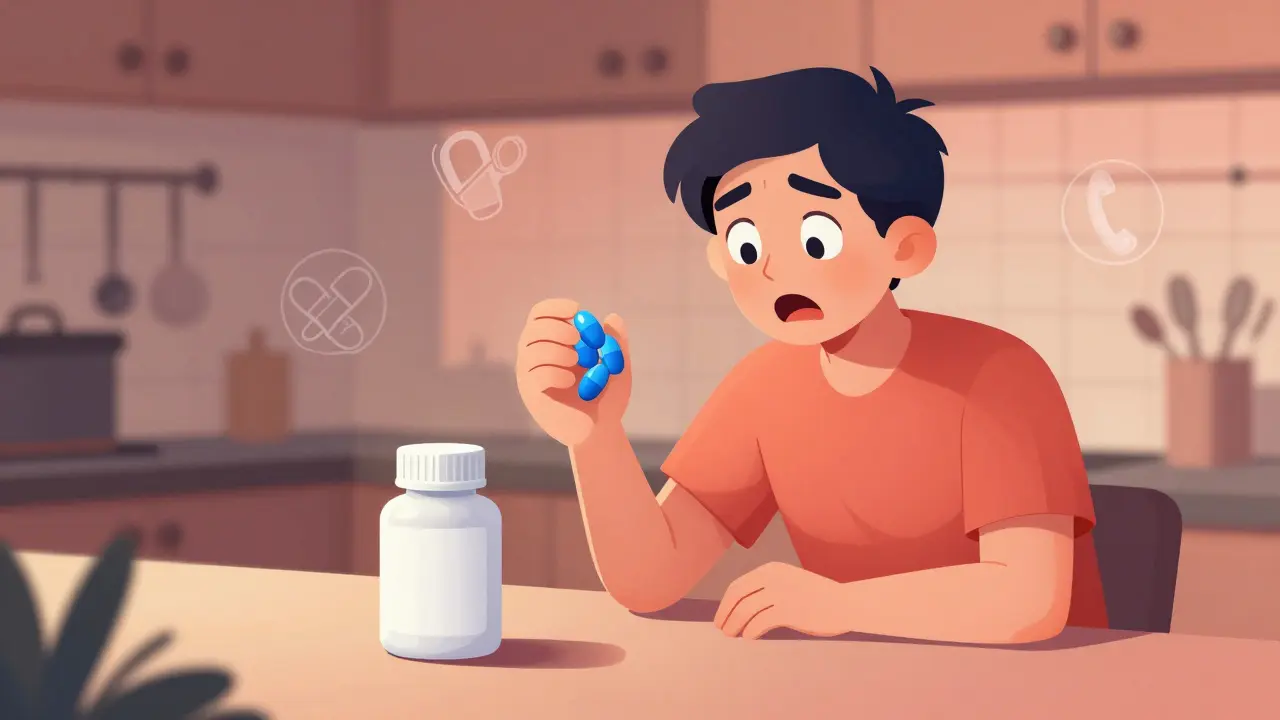
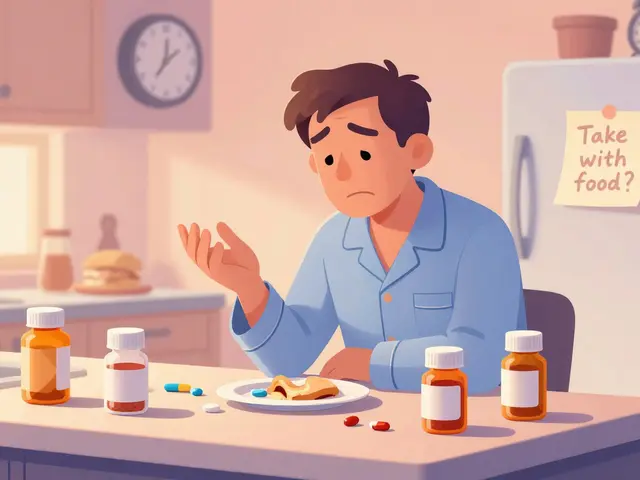
It happens faster than you think. You pick up your prescription, walk home, open the bottle, and freeze. The pills don’t look right. The label says metformin, but the pills are blue and oval - not the white, round ones you’ve been taking for years. Or worse, you’ve already swallowed one. Your heart drops. What now?
You’re not alone. About 1.5 million people in the U.S. experience a medication error every year, and nearly one in five of those happen at the pharmacy. Most are caught before they cause harm - but not all. The difference between a close call and a hospital visit often comes down to what you do in the next 10 minutes.
Stop Taking the Medication Immediately
First, do not take another pill. Even if you feel fine, the wrong drug can quietly damage your body. A patient once took a blood pressure pill meant for someone else and ended up with dangerously low heart rate - all because they assumed it was just a different brand. That’s the myth: it’s probably harmless. It’s not. Some medications, like insulin, anticoagulants, or seizure drugs, can cause irreversible harm within hours. Others, like antidepressants or thyroid meds, can trigger cascading side effects you won’t connect to the pill until it’s too late.
Put the bottle down. Don’t toss it. Don’t return it. Don’t flush it. Keep it sealed in the original packaging. You’ll need it.
Call Your Doctor Right Away
Your doctor is your first line of defense. Don’t wait until morning. Don’t Google symptoms. Call now. Tell them exactly what happened: “I received the wrong medication. It’s [name of pill] but I was supposed to get [correct name]. I haven’t taken more than one.” They’ll ask you questions like: Did you take it? How much? Do you feel dizzy, nauseous, or short of breath?
If you’re having symptoms - chest pain, confusion, rapid heartbeat, vomiting, fainting - they’ll tell you to go to the ER. Don’t argue. Don’t wait. Emergency rooms are equipped to reverse or manage drug reactions. The CDC says 1 in 5 serious medication errors leads to hospitalization. You don’t want to be that statistic.
If you’re not having symptoms, your doctor might still order blood tests, an EKG, or a drug screen. That’s normal. Some reactions don’t show up for days. Better safe than sorry.
Contact the Pharmacy - and Speak to the Manager
Call the pharmacy. Don’t just leave a voicemail. Ask for the head pharmacist or manager. Say: “I received the wrong medication. I need to speak with the person who handled my prescription.”
They will apologize. They might say it was a “human error.” That’s not enough. Ask for details: Who filled the prescription? Was there a double-check? Was the barcode scanned? Write down their name, the time of the call, and what they said. If they refuse to talk, say: “I’m filing a formal complaint. I need this documented.”
Most pharmacies have internal error logs. They’re required to report serious mistakes to their state board. But they won’t fix anything unless you push. This isn’t about blame - it’s about stopping it from happening to someone else.
Save Every Piece of Evidence
Here’s what you need to keep:
- The incorrect medication - in the original bottle
- The original prescription label (even if it’s torn)
- The pharmacy receipt
- The empty bottle of the correct medication (if you still have it)
- Photos of the pills - side, front, back - with a ruler or coin next to them for size
- Any text messages or emails from the pharmacy
- Your doctor’s notes from the visit
Why? Because 92% of successful claims include photographic proof. Video helps even more - record yourself opening the bottle, reading the label, holding the pill next to the prescription. This isn’t paranoia. This is how you prove it wasn’t your mistake.
And never give back the wrong pills. Even if the pharmacy asks. Even if they offer a refund. Keep them. They’re evidence.
Report It - To the Right Places
Pharmacies don’t fix problems unless they’re forced to. Reporting isn’t just about justice - it’s about safety.
First, report to the Institute for Safe Medication Practices (ISMP). They run a confidential system that’s collected over 100,000 error reports since 1991. You don’t need to give your name. Just describe what happened. They use this data to push for better systems nationwide.
Second, file a report with your state’s board of pharmacy. Every state has one. In Georgia, you file with the Georgia Composite Medical Board. In California, it’s the Board of Pharmacy. Search “[Your State] board of pharmacy complaint.” They investigate. They track repeat offenders. And yes - they can suspend licenses.
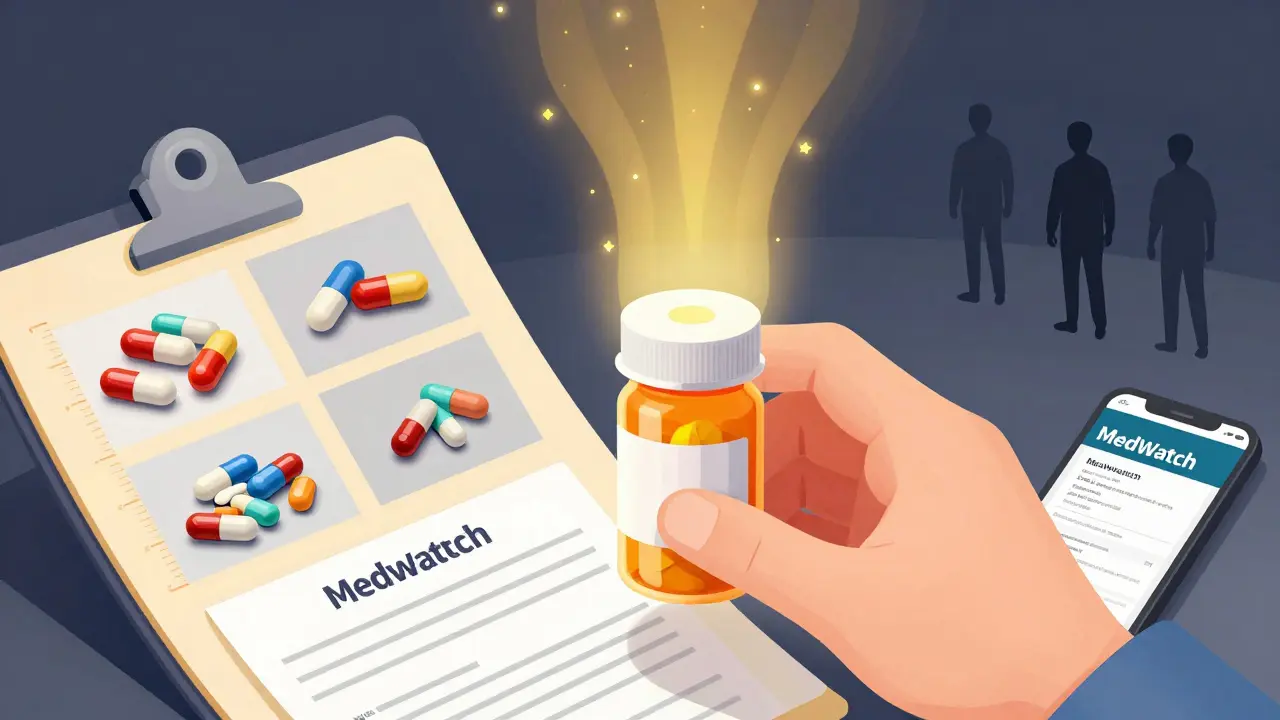
Third, report to the FDA’s MedWatch program. In 2022, they received over 92,000 medication error reports - 38% from community pharmacies. Most never get reported. Don’t be one of them.
Know Your Legal Rights
If you were harmed - physically, emotionally, financially - you may have a legal case. Pharmacy errors are considered medical malpractice. You don’t need to be hospitalized to qualify. Even a few days of dizziness, anxiety, or missed work can count.
Here’s what you need to know:
- You have 1 to 3 years to file a claim, depending on your state. In Georgia, it’s 2 years from the date you discovered the error.
- Don’t give a recorded statement to the pharmacy’s insurance company. They’ll twist your words. Say: “I’m consulting a lawyer first.”
- Most cases settle out of court - about 70%. Average payouts range from $50,000 to $500,000. Cases involving permanent injury or death have reached over $10 million.
- Lawyers who handle these cases usually work on contingency. You pay nothing unless they win.
Don’t wait to call a lawyer. The sooner you act, the better your evidence holds up. Pharmacy records get purged. Witnesses forget. Pills get thrown away.
Why This Happens - And How to Prevent It Next Time
It’s not just “human error.” It’s systemic.
Pharmacies are under pressure. Staff are overworked. One pharmacist might handle 150 prescriptions in a single shift. Look at the stats: only 62% of U.S. pharmacies use barcode scanning systems - which reduce errors by 85%. That means nearly 4 in 10 pharmacies are still relying on eyesight and memory.
Here’s how to protect yourself next time:
- Always check the pill before you leave the pharmacy. Compare it to the description on the label: color, shape, markings (like “M 15” or “200”).
- Ask: “Is this what the doctor ordered?” If they hesitate, walk out.
- Use the same pharmacy every time. They build your profile. Mistakes drop by 40% when you stick with one.
- Ask for a printed copy of the prescription. Read it. Does it match what your doctor told you?
- Use apps like Medisafe or MyTherapy that alert you if the pill image doesn’t match your profile.
And if you’re on high-risk meds - blood thinners, insulin, seizure drugs, chemotherapy - always double-check. Don’t assume. Don’t trust. Verify.
The Long-Term Cost of a Mistake
One wrong pill can change your life.
A 2023 study in JAMA found that patients who experienced a medication error had a 28% higher risk of dying within five years. For those on heart or blood pressure meds, the risk jumped to 42%. That’s not a fluke. It’s the result of organ damage, missed diagnoses, or cascading health failures.
And the financial toll? Preventable pharmacy errors cost the U.S. healthcare system $8.4 billion a year. That’s not just hospitals and ER visits. It’s lost wages, long-term care, therapy, and emotional trauma.
When you act fast, you protect more than yourself. You protect the next person who walks into that pharmacy.
What should I do if I already took the wrong medication?
Stop taking it immediately. Call your doctor or 911 if you have symptoms like dizziness, chest pain, vomiting, or confusion. Even if you feel fine, get checked. Some reactions take hours or days to appear. Keep the pill and packaging - don’t throw them away. These are critical for medical and legal purposes.
Can I get in trouble for keeping the wrong medication?
No. You are not legally required to return the medication, and in fact, returning it can hurt your case. The pharmacy may ask you to bring it back, but you should refuse. Keep it sealed and labeled. It’s evidence. If you’re worried about safety, store it in a locked cabinet away from children or pets. Dispose of it properly only after your case is resolved or after consulting a lawyer.
How common are pharmacy errors?
About 1.5 million medication errors happen in the U.S. each year, with roughly 26% occurring during dispensing at pharmacies. Most are caught before harm - but not all. One in five leads to hospitalization. Community pharmacies are the most common source, with only 62% using barcode scanning systems that could prevent most mistakes.
Do I need a lawyer if I didn’t get hurt?
You don’t need a lawyer if no harm occurred - but you still should report the error. Reporting helps prevent future mistakes. If you had any symptoms, even mild ones like nausea or dizziness, or if you missed work, lost sleep, or paid for a doctor’s visit, you may have grounds for a claim. A free consultation with a medical malpractice lawyer can help you decide.
Can I sue a pharmacy for giving me the wrong medicine?
Yes. Pharmacies are legally responsible for accurate dispensing. If you suffered harm - physical, emotional, or financial - you can file a medical malpractice claim. Most cases settle out of court, with average payouts between $50,000 and $500,000. You’ll need documentation: the wrong medication, prescription records, medical bills, and proof of symptoms. A lawyer will handle the legal process.
How can I prevent this from happening again?
Always check your medication before leaving the pharmacy. Compare the pill’s color, shape, and markings to the label. Ask the pharmacist: “Is this what the doctor ordered?” Use the same pharmacy every time - they track your history. Consider apps that alert you if the pill image doesn’t match your profile. For high-risk drugs like insulin or blood thinners, always double-check with your doctor before taking it.




Erwin Kodiat
January 19, 2026 AT 10:56