
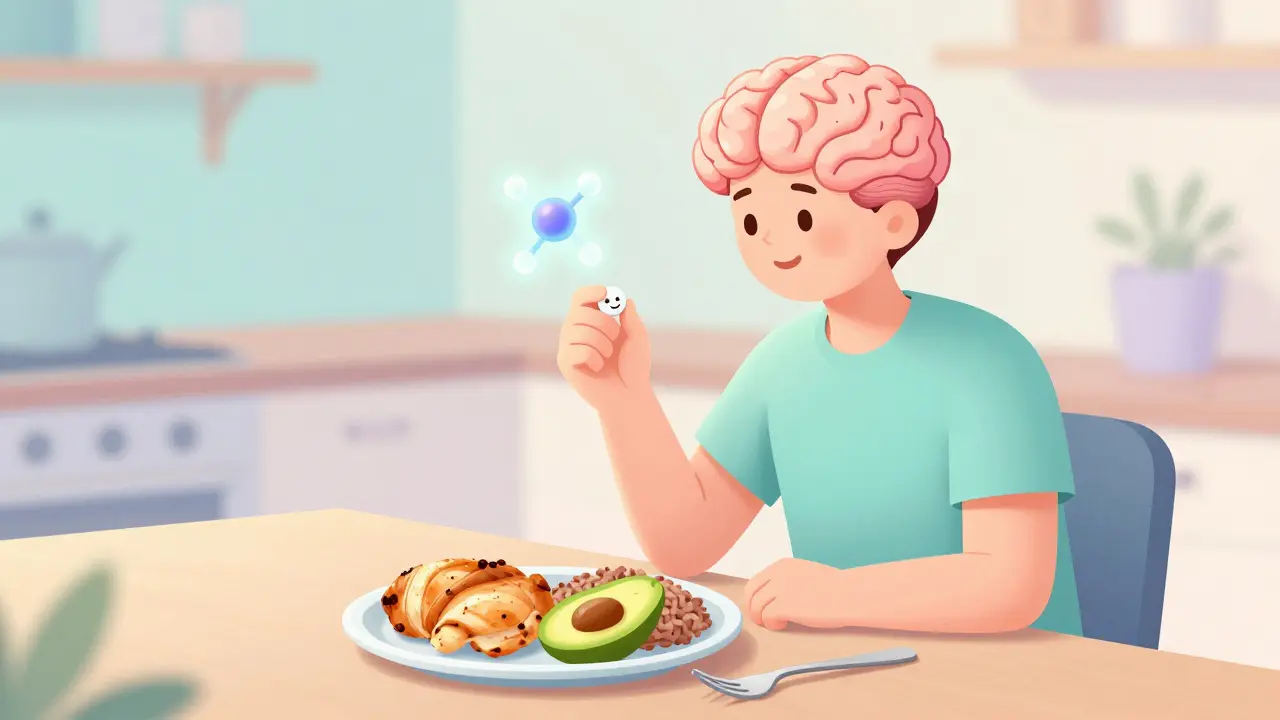
Starting vilazodone (Viibryd) for depression can feel like a step forward - until the diarrhea hits. It’s not rare. In fact, about 1 in 3 people on vilazodone will get it. You’re not broken. You’re not failing. You’re just adjusting to how your body reacts to this specific antidepressant. The good news? For most people, it fades. But knowing how to handle it makes all the difference.
Why Vilazodone Causes Diarrhea
Vilazodone works differently than most antidepressants. It doesn’t just block serotonin reuptake like SSRIs. It also gently activates 5-HT1A receptors in the brain. That dual action helps some people feel better faster and avoids sexual side effects that plague other meds. But it also messes with your gut. Serotonin isn’t just a mood chemical - about 95% of it lives in your intestines. When vilazodone floods your system with extra serotonin, your gut doesn’t know how to react. That’s why diarrhea, nausea, and cramping show up so often.Studies show 26-29% of people on the full 40 mg dose get diarrhea. Compare that to 10% on placebo. That’s not a fluke. It’s built into the drug’s design. But here’s what most people don’t tell you: 94% of those cases are mild or moderate. And they usually disappear within 7 to 14 days. You’re not stuck with this forever.
The Right Way to Start Vilazodone
Most people who struggle with diarrhea didn’t start the medication the right way. The FDA-approved dosing schedule exists for a reason. Skipping steps makes side effects worse.Here’s what works:
- Week 1: Take 10 mg daily, always with food (at least 500 calories).
- Week 2: Increase to 20 mg daily, still with food.
- Week 3 and beyond: Move to 40 mg daily, always with a full meal.
That’s it. No rushing. No skipping ahead. Even if you feel fine, stick to the timeline. A 2019 study in the Journal of Clinical Psychiatry found that following this schedule cut diarrhea rates by 35%. Why? Slow increases give your gut time to adapt. Taking it on an empty stomach? That’s a recipe for disaster. Food isn’t optional - it’s part of the treatment.
What to Eat (and What to Avoid)
Your diet during the first two weeks matters more than you think. You’re not just treating depression - you’re healing your gut.Do this:
- Take vilazodone with a balanced meal: protein (chicken, eggs, tofu), complex carbs (brown rice, oats, sweet potato), and healthy fats (avocado, nuts).
- Drink plenty of water - at least 8 glasses a day. Dehydration makes diarrhea worse.
- Add soluble fiber: oats, bananas, applesauce, psyllium husk. Soluble fiber soaks up water and firms up stools.
- Try probiotics: Lactobacillus rhamnosus GG or Bifidobacterium longum. A 2023 study showed these strains reduced diarrhea by nearly half.
Avoid this:
- Caffeine: Coffee, energy drinks, even dark chocolate can speed up your gut.
- Fried or greasy foods: They irritate your intestines and make diarrhea worse.
- Artificial sweeteners: Sorbitol, xylitol, and sucralose are common in sugar-free products - and they’re notorious for causing loose stools.
- Spicy foods: Capsaicin triggers gut contractions. Skip the hot sauce for now.
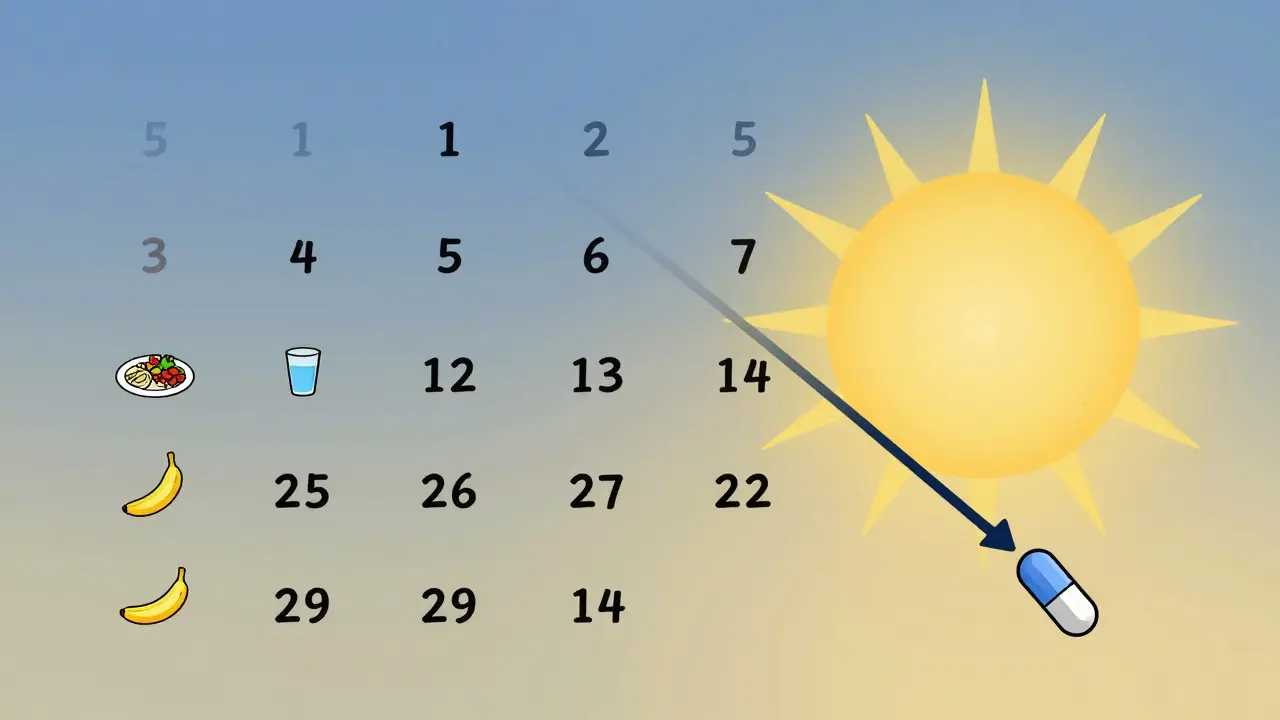
When to Use Loperamide (Imodium)
If you’re stuck in the bathroom 5-6 times a day and can’t leave the house, loperamide can help - temporarily. It’s not a cure. It’s a bridge.Take 2 mg (one tablet) up to four times a day, but only for 2-3 days max. Don’t use it longer without talking to your doctor. It slows down your gut, which helps with symptoms, but it doesn’t fix the root cause. Some people feel guilty using it, like they’re cheating. They’re not. It’s a tool. Use it to get through the worst days so you can keep taking your medication and not quit.
One Reddit user, ‘AnxiousEngineer,’ wrote: ‘I took Imodium for three days. It let me sleep through the night. By week 3, my diarrhea was gone. I’m on 40 mg now and feel better than I have in years.’
When to Call Your Doctor
Most diarrhea fades. But not all. Here’s when to speak up:- Diarrhea lasts more than 2 weeks.
- You’re having more than 6 bowel movements a day.
- You have fever, blood in stool, or severe cramping.
- You feel dizzy, faint, or unusually tired - signs of dehydration.
These aren’t normal. They could mean something else is going on - an infection, an intolerance, or a reaction with another medication. Don’t wait. Call your doctor. They might switch you to bupropion or another antidepressant with fewer GI side effects. That’s not failure. It’s smart treatment.
How Vilazodone Compares to Other Antidepressants
It’s easy to think vilazodone is ‘worse’ because of diarrhea. But it’s not worse - it’s different. Here’s how it stacks up:| Medication | Diarrhea Rate | Sexual Side Effects | Weight Gain |
|---|---|---|---|
| Vilazodone (Viibryd) | 26-29% | 2-3% | Low |
| Sertraline (Zoloft) | 18% | 30-50% | Moderate |
| Escitalopram (Lexapro) | 6% | 25-40% | Low |
| Paroxetine (Paxil) | 10% | 50-70% | High |
| Mirtazapine (Remeron) | 12% | 10-15% | High |
If sexual side effects or weight gain have ruined your experience with other antidepressants, vilazodone might still be worth trying - if you can get through the first two weeks. For many, the trade-off is worth it. You get your mood back without losing your sex life or gaining 15 pounds.
Why People Quit - And Why They Shouldn’t
About 7% of people stop vilazodone because of diarrhea. That sounds high. But here’s the thing: 82% of people who stuck with it and used dietary changes found relief within 14 days. Only 10% ended up switching because of persistent symptoms.Most people quit too soon. They think, ‘This is unbearable,’ and stop after 5 days. But the worst of it is usually days 3-7. If you can push through that, you’re likely to be fine. One patient, ‘DepressedMom,’ switched to bupropion after 3 weeks of constant diarrhea. She said it was life-changing. But she also said, ‘If I’d known about the food rule, I might’ve stuck with vilazodone.’
What’s Next for Vilazodone
A new delayed-release version of vilazodone is in phase 3 trials. Early results suggest it could cut diarrhea rates by nearly half by releasing the drug more slowly into the system. If approved, it could make vilazodone a first-line option for more people.For now, the generic version is widely available. Prescriptions have jumped 37% since 2022. More people are trying it - and more doctors are learning how to help patients manage the side effects. It’s not the easiest antidepressant. But it’s not the worst. It’s just misunderstood.
Final Advice
If you’re on vilazodone and getting diarrhea:- Don’t panic. This is normal.
- Take it with a full meal - every time.
- Drink water. Eat bananas and oats. Skip coffee and sugar-free gum.
- Use Imodium for 2-3 days if needed.
- Wait at least 14 days before deciding it’s not working.
- Call your doctor if it lasts longer than 2 weeks or gets worse.
This isn’t about tolerating side effects. It’s about working with your body. Vilazodone can work - if you give it a fair shot. And if it doesn’t? That’s okay too. There are other options. But don’t quit because of diarrhea. Quit because you’ve tried everything - not because you gave up too early.
How long does vilazodone-induced diarrhea usually last?
For most people, diarrhea lasts 7 to 14 days after starting vilazodone. In clinical studies, over 94% of cases were mild to moderate and resolved within two weeks. A small number of people (about 10%) may need more time or a change in medication if symptoms persist beyond two weeks.
Can I take loperamide (Imodium) with vilazodone?
Yes, loperamide is generally safe to use short-term with vilazodone. Take 2 mg up to four times daily for no more than 2-3 days to help manage symptoms. Don’t use it long-term without talking to your doctor, as it masks the issue rather than solving it. Always check with your provider first, especially if you’re on other medications.
Should I take vilazodone with food?
Yes, absolutely. Vilazodone must be taken with at least 500 calories of food to be absorbed properly. Taking it on an empty stomach increases the risk of diarrhea and nausea by up to 40%. A balanced meal with protein, complex carbs, and healthy fats is ideal.
Is vilazodone better than other antidepressants for sexual side effects?
Yes. Vilazodone has one of the lowest rates of sexual side effects among antidepressants - affecting only 2-3% of users. In comparison, SSRIs like sertraline and paroxetine cause sexual dysfunction in 25-70% of people. If sexual side effects have been a problem with other meds, vilazodone is often a better choice - if you can manage the GI side effects.
Can probiotics help with vilazodone diarrhea?
Yes. A 2023 clinical trial showed that taking probiotics with Lactobacillus rhamnosus GG or Bifidobacterium longum reduced diarrhea incidence from 28% to 15% over eight weeks. Probiotics support gut health and may help your system adjust faster to the medication.
What should I do if diarrhea doesn’t go away after two weeks?
Contact your doctor. Persistent diarrhea beyond two weeks could mean you need a dose adjustment, a different medication, or testing for another condition. Don’t wait. Your doctor may switch you to bupropion, escitalopram, or another antidepressant with fewer GI side effects. Stopping the medication isn’t failure - it’s adjusting your treatment plan.






Jessica Knuteson
January 26, 2026 AT 22:02