
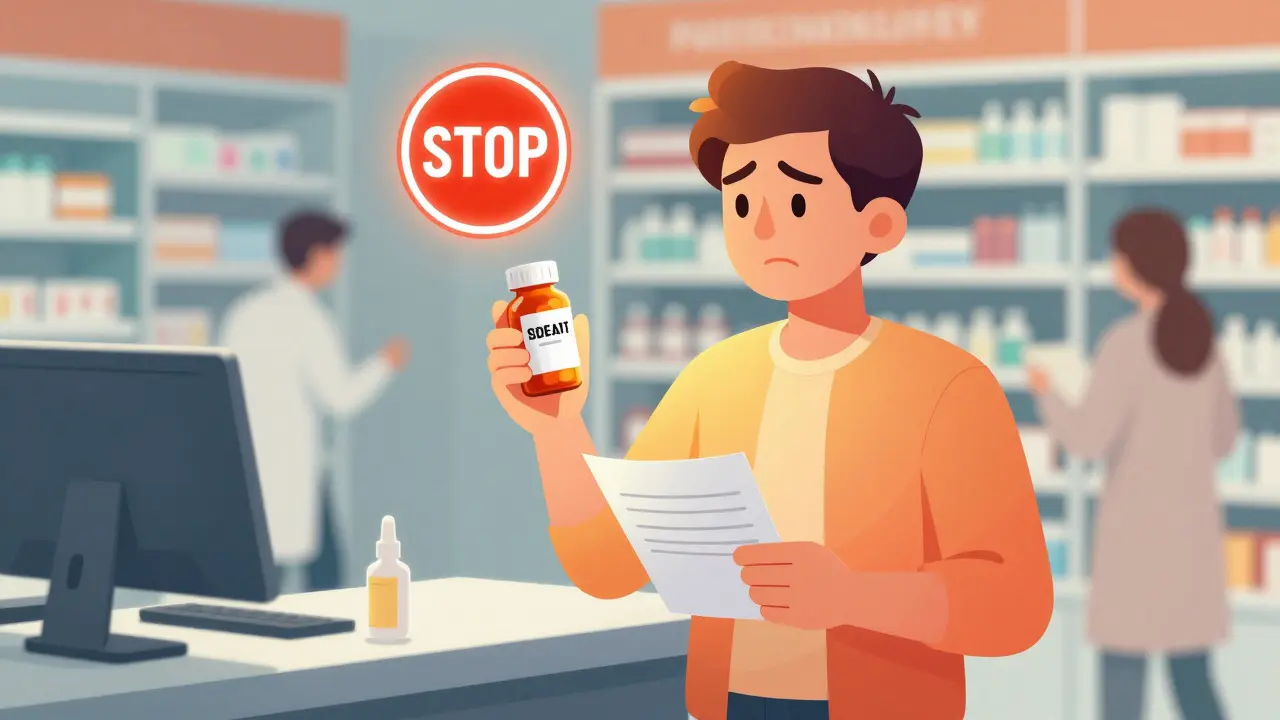
If you open your pill bottle and the pills don’t look right, or the label says something completely different from what your doctor prescribed, stop. Don’t take it. Don’t guess. Don’t wait to see if it "feels okay." Taking the wrong medication can lead to serious harm-even death. Pharmacy errors happen more often than you think, and knowing exactly what to do next could save your life.
Don’t Take It. Stop Immediately.
The first and most critical step is simple: don’t swallow it. Even if the pill looks harmless, even if it’s something you’ve taken before, don’t assume it’s safe. Wrong medications can be deadly. A patient in Sydney was hospitalized after taking a misfilled blood pressure pill meant for someone else. It dropped their heart rate to dangerous levels within hours. Another person took an antidepressant instead of their diabetes medication and ended up in the ER with low blood sugar and confusion. These aren’t rare cases. According to the Institute for Safe Medication Practices, about 1.5 million people in the U.S. are affected by medication errors every year. Many of those happen at the pharmacy counter.Call Your Doctor Right Away
Don’t wait until your next appointment. Call your prescribing doctor the moment you realize something’s wrong. Tell them exactly what you were supposed to get versus what you received. Your doctor needs to know because they might need to check your condition, adjust your treatment, or even send you to the hospital. If you’re feeling dizzy, nauseous, short of breath, or your heart is racing-don’t hesitate. Go to the nearest emergency room. Your doctor might say, "Just throw it away," but don’t do that yet. They’ll need to know what you took and when. If you’re unsure whether it’s an emergency, call your doctor first. They’ll tell you whether to go to the hospital or not.Contact the Pharmacy-But Don’t Just Complain
Call the pharmacy where you got the medication. Ask to speak to the pharmacist in charge or the manager. Don’t settle for a front-desk clerk. Say clearly: "I received the wrong medication. I need to speak with the person who filled this prescription." Ask them to review the original prescription and the bottle they gave you. They may apologize, offer a replacement, or claim it was a "mistake." That’s fine-but don’t let them brush it off. You’re not just asking for a refund. You’re protecting others.Keep Everything. Do Not Return It.
This is non-negotiable. Save the following:- The wrong medication (in the original bottle)
- The original prescription label
- The pharmacy receipt
- The empty bottle (if you used any)
- The prescription paper or digital copy from your doctor
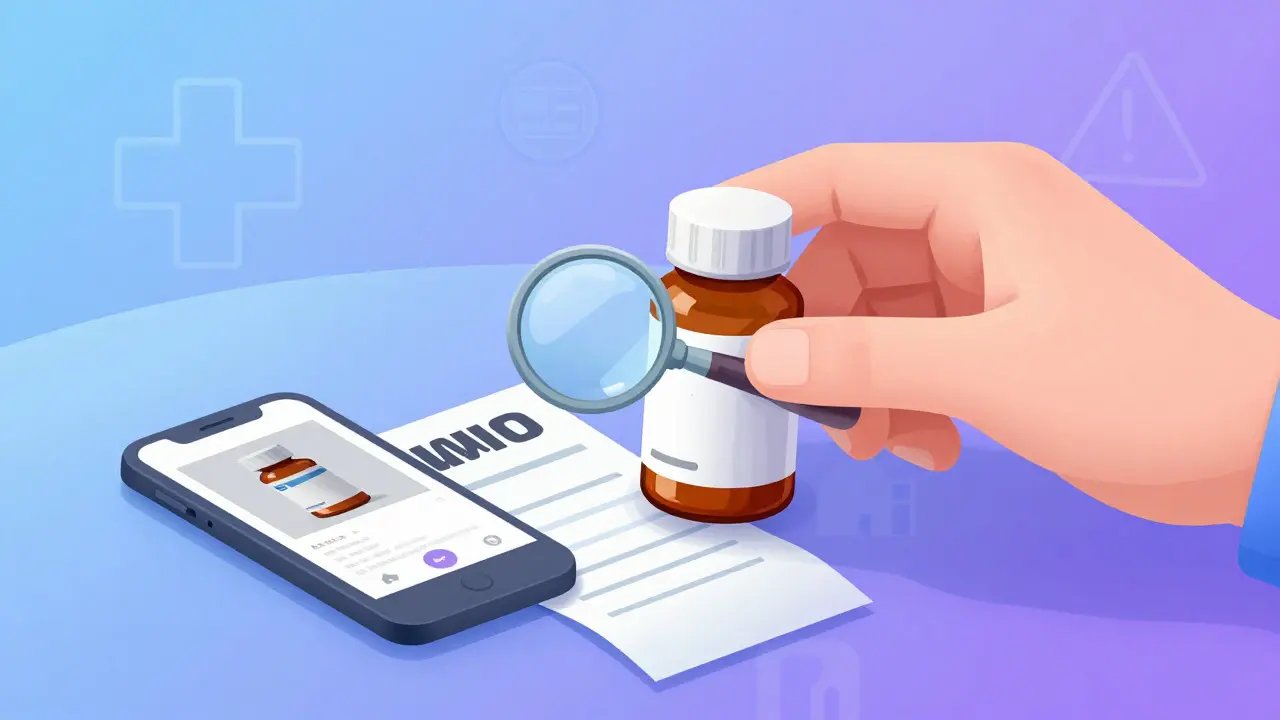
Document Everything
Write down everything. Date and time you received the medication. Date and time you noticed the error. What you were supposed to get. What you actually got. How you felt after taking it-even one pill. Did you get dizzy? Nauseous? Did your symptoms get worse? Did you need to see a doctor because of it? Keep notes. Save emails or texts from the pharmacy. Save the phone call log with the time you spoke to the pharmacist. If they promise to call you back, write down when they said they’d call-and whether they did.Report It to the Right Authorities
Pharmacies are required to report errors-but many don’t. You have to step in. In Australia, report the error to the Therapeutic Goods Administration (TGA) through their online reporting system. You can also report to the Australian Health Practitioner Regulation Agency (AHPRA), which oversees pharmacists. In the U.S., use the FDA’s MedWatch program. The Institute for Safe Medication Practices (ISMP) also accepts anonymous reports. Over 100,000 errors have been reported to ISMP since 1991. Your report helps prevent others from being hurt. Don’t think, "It’s just one mistake." One mistake can be the warning sign of a broken system.Legal Action Is an Option-But Not Always Necessary
If you were harmed-physically, emotionally, financially-you may have grounds for legal action. You don’t need to be seriously injured to consider it. Even if you only had a bad reaction for a day, and it cost you $500 in ER visits and missed work, that’s worth documenting. Most pharmacy error cases settle out of court. Average settlements range from $50,000 to $500,000, depending on the damage. Catastrophic cases-permanent injury, death-have resulted in verdicts over $10 million. But you don’t need to go to court to get justice. Many pharmacies will offer compensation if you have solid evidence and a lawyer’s letter. Before you speak to anyone from the pharmacy’s insurance company, talk to a lawyer. Do not give a recorded statement. Do not sign anything. You don’t need to be angry to be right. You just need proof.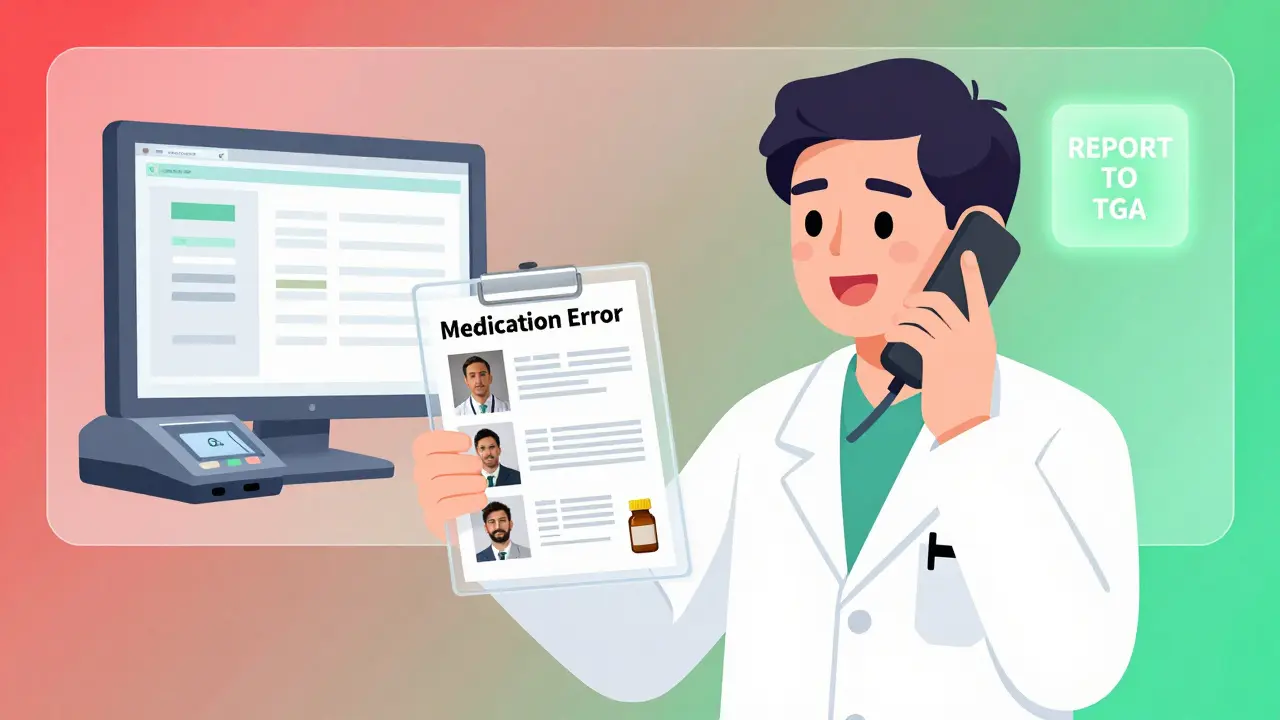
Why This Happens-and How Pharmacies Can Stop It
Pharmacy errors aren’t usually about laziness. They’re about systems failing. High workload. Poor lighting. Similar-looking pill names. Rushed checks. A 2022 study found that 26% of all medication errors happen at the dispensing stage. The good news? Technology can fix most of it. Barcode scanning reduces errors by 85%. Double-check systems for high-risk drugs like insulin or blood thinners cut mistakes by over 50%. But only 62% of U.S. pharmacies use barcode scanners. Many still rely on human eyes and memory. That’s not enough. Pharmacists are overworked. One pharmacist in Melbourne told me they fill 200 prescriptions a day. That’s one every 2.5 minutes. Mistakes happen. But they don’t have to.How to Prevent It Next Time
You can’t control the pharmacy-but you can protect yourself:- Always check your prescription label before leaving the pharmacy. Compare the name, dose, and instructions to your doctor’s note.
- Ask: "Is this what my doctor ordered?" Don’t be shy. Pharmacists expect this.
- If the pill looks different from your last refill, ask why. Pills change color or shape when generics switch. But you should be told.
- Use one pharmacy for all your prescriptions. They’ll catch conflicts and duplicates.
- Set up alerts on your phone for refill dates. That way, you’re not rushing to pick it up at the last minute.
- Keep a printed or digital list of all your medications-name, dose, reason-for every doctor visit.
Long-Term Risks of Ignoring a Mistake
A wrong pill today might not kill you. But it can hurt you later. The Journal of the American Medical Association found that patients who experience medication errors have a 28% higher risk of dying within five years. Cardiovascular errors carry the highest risk-42% higher. Even if you feel fine now, your body might be quietly damaged. That’s why reporting matters. That’s why keeping records matters. That’s why speaking up matters.You didn’t do anything wrong. The system failed. But you have the power to fix it-for yourself and for others.
What should I do if I accidentally took the wrong medication?
Stop taking it immediately. Call your doctor or go to the nearest emergency room if you feel unwell-dizziness, nausea, chest pain, confusion, or rapid heartbeat are warning signs. Even if you feel fine, contact your doctor to assess potential risks. Do not wait to see if symptoms develop.
Can I return the wrong medication to the pharmacy?
No. Do not return or dispose of the wrong medication. Keep it in its original container with the label. This is critical evidence if you need to file a complaint or legal claim. Pharmacies may ask you to return it, but you’re under no obligation to do so. Your safety and legal rights come first.
How common are pharmacy errors?
Pharmacy dispensing errors occur in about 15-20% of all reported medical errors. In the U.S., they affect 1.5 million people each year. In Australia, while exact numbers aren’t tracked publicly, reports to the Therapeutic Goods Administration show hundreds of cases annually, and experts believe many go unreported. The real number is likely much higher.
What if the pharmacy says it was a "one-time mistake"?
Don’t accept that as enough. A "one-time mistake" could mean the system is broken. Ask them what they’re doing to prevent it from happening again. Report the error to health regulators. One patient in Sydney reported a pharmacy that filled the wrong insulin dose three times in six months-after she reported it, the pharmacy changed its double-check policy.
Do I need a lawyer to report a pharmacy error?
No, you don’t need a lawyer to report the error to the TGA or AHPRA. But if you suffered harm-medical bills, lost wages, pain-you should consult one before speaking to the pharmacy’s insurance company. Lawyers can help you get fair compensation without you having to fight alone.
Can I sue a pharmacy for giving me the wrong medicine?
Yes, if the error caused you harm. Pharmacy errors can be considered negligence. To win a case, you need to prove: 1) the pharmacy had a duty to give you the correct medication, 2) they failed to do so, and 3) that failure directly caused you injury or loss. Strong evidence includes photos, medical records, and witness statements. Most cases settle out of court.
How long do I have to take legal action?
In Australia, the time limit to file a claim for medical negligence is generally three years from the date you discovered the error or should have reasonably known about it. But don’t wait. Evidence fades. Memories blur. Start documenting now, and consult a lawyer as soon as possible.
Next Steps: What to Do Today
If you just realized you got the wrong medication:- Stop taking it-right now.
- Call your doctor. Tell them what happened.
- Take photos of the wrong pill, the label, and your prescription.
- Save the bottle, receipt, and empty packaging.
- Call the pharmacy and ask to speak to the manager.
- Report it to the Therapeutic Goods Administration (TGA).






Jake Rudin
January 19, 2026 AT 10:02