Top 8 Alternatives to Prelone in 2024 for Effective Inflammation Relief
October 20 2024
Nocebo Effect: When Expectations Make You Feel Worse
When you believe a pill will make you sick, your body sometimes believes it too—that’s the nocebo effect, the harmful counterpart to the placebo effect, where negative expectations trigger real physical symptoms. Also known as negative placebo effect, it’s not just in your head—it’s in your nerves, your hormones, and your pain receptors. You don’t need a dangerous drug to feel bad. Just hearing about side effects from a doctor, reading a long warning label, or watching someone else react poorly can be enough to make you dizzy, nauseous, or even experience chest pain—all without the medicine doing anything physical.
This isn’t rare. Studies show up to 30% of people reporting side effects from sugar pills in clinical trials are actually experiencing the nocebo effect. It shows up in everything from antidepressants to blood pressure meds. Someone told their generic version might cause headaches? They get them—even if it’s chemically identical to the brand-name drug. A patient scared of weight gain from a thyroid med? They start gaining weight, even when their hormones are perfectly balanced. The placebo effect makes people feel better because they expect to. The nocebo effect makes them feel worse because they expect to.
It’s not about being weak or imagining things. It’s biology. Stress from fear triggers cortisol, raises blood pressure, tightens muscles, and changes how your brain processes pain. That’s why a patient who’s told their new medication might cause fatigue often reports exhaustion—even if they’re on a placebo. The same thing happens with online reviews. Read ten stories about someone getting migraines from a common painkiller? You’re more likely to get one too—even if you’ve never had one before.
Doctors and pharmacies know this. That’s why some now use careful wording: "Most people don’t feel anything unusual" instead of "Possible side effects include dizziness, nausea, and headache." Labels matter. Tone matters. Even the color and shape of a pill can trigger expectations—something we see in cultural attitudes toward generics, where people distrust blue pills but trust white ones, even when they’re identical. This connects directly to why some patients refuse generic drugs, not because they’re less effective, but because they believe they are.
What you’ll find in these posts isn’t just theory. You’ll see real cases where the nocebo effect shaped outcomes—like patients on antidepressants sweating heavily because they were warned it might happen, or people avoiding blood thinners after hearing horror stories, even when their risk was low. You’ll learn how patient education, cultural beliefs, and even pharmacy packaging can unintentionally fuel these reactions. And you’ll see how understanding this can help you take your meds without fear, and help your doctor give you better care.
 10 Nov
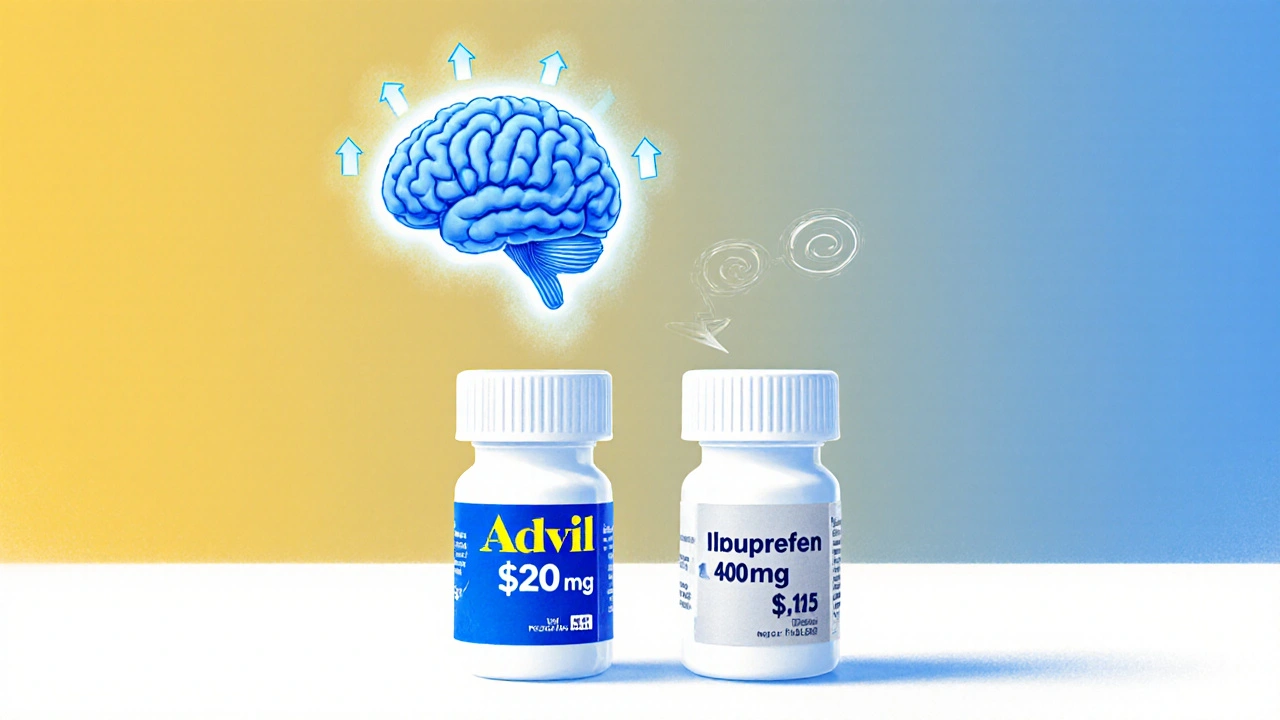
Placebo Effect with Generics: Why Psychology Matters More Than Chemistry
Why do some people feel worse on generic drugs even when they're chemically identical to brand names? The answer lies in psychology - not chemistry. Learn how perception shapes effectiveness and what you can do about it.
Read More...POPULAR POSTS


Actinic Keratosis: How Dermoscopy Improves Diagnosis
September 25 2025
Boost Athletic Performance with Iron, Folic Acid, and Zinc
October 25 2025