
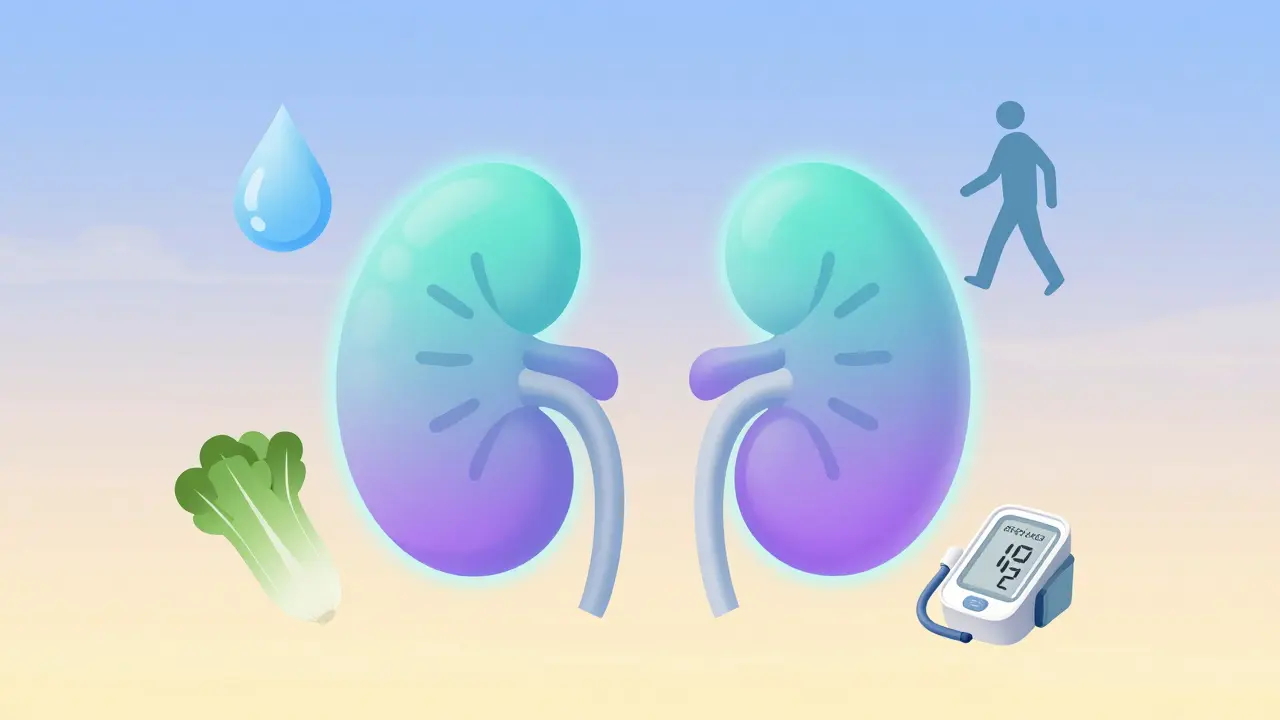
One in three adults in the U.S. has a high risk of developing kidney disease, and most don’t even know it. The kidney disease you can prevent today might save you from dialysis tomorrow. It’s not about scary diagnoses or complex treatments-it’s about everyday choices that protect your kidneys before they start failing.
What Actually Causes Kidney Damage?
Kidney disease doesn’t show up overnight. It creeps in slowly, often without symptoms until it’s too late. The two biggest culprits? High blood pressure and diabetes. Together, they cause nearly 75% of all chronic kidney disease cases. If you have either condition, your kidneys are under constant stress. High blood pressure damages the tiny filters in your kidneys. Diabetes floods them with sugar, which scars the tissue over time. But it’s not just those two. Obesity, smoking, and long-term use of common painkillers like ibuprofen or naproxen also chip away at kidney function. People who take NSAIDs daily for back pain or headaches are 3-5% more likely to develop kidney disease each year, according to FDA reports. And smoking? Smokers lose kidney function 50% faster than non-smokers. The chemicals in tobacco narrow blood vessels, reducing oxygen flow to the kidneys. Family history matters too. If a close relative had kidney failure, your risk goes up. But here’s the good news: even if you’re at higher genetic risk, lifestyle changes can cut your chances by more than half.What You Should Eat (and What to Avoid)
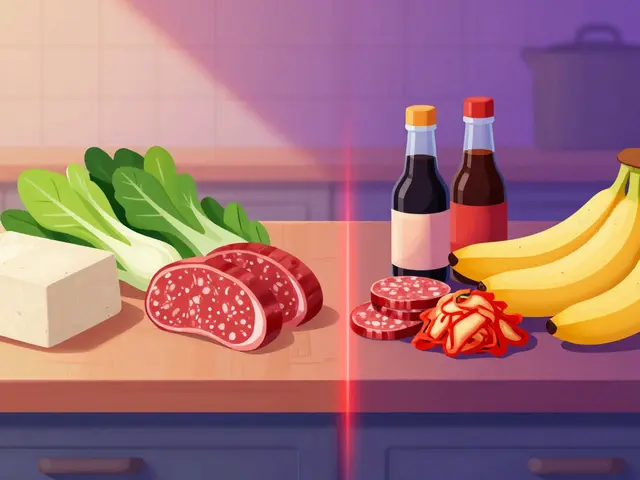
Your diet is your first line of defense. The NHS and Richmond Nephrology Associates both agree: cut back on salt. Aim for less than 2,300 mg of sodium per day-that’s about one teaspoon. Most people eat twice that, mostly from packaged snacks, canned soups, and restaurant meals. Swap salt for herbs, lemon, or vinegar. Choose fresh vegetables over canned ones. Rinse canned beans to remove up to 40% of the sodium. Sugar is another silent killer. Sugary drinks like soda and energy drinks make up 7% of the average American’s daily calories. That sugar doesn’t just pack on weight-it spikes blood sugar, which directly harms your kidneys. Cut them out. Drink water, unsweetened tea, or sparkling water with a slice of fruit instead. Protein sounds healthy, but too much can overload your kidneys. If you’re healthy, 0.8 grams of protein per kilogram of body weight is enough. For someone weighing 70 kg (154 lbs), that’s about 56 grams a day-roughly two chicken breasts or three eggs. Lean sources like fish, chicken, beans, and tofu are better than red meat. Don’t load up on protein shakes unless your doctor says so. Eat at least five portions of fruits and vegetables daily. They’re rich in antioxidants and potassium, which help balance fluids and lower blood pressure. Think spinach, berries, apples, carrots, and sweet potatoes. And don’t fear healthy fats-avocados, nuts, and olive oil support heart and kidney health together.Move More, Sit Less
You don’t need to run marathons. The CDC and NHS both say 150 minutes of moderate exercise per week is enough. That’s 30 minutes, five days a week. Brisk walking, cycling, swimming, or dancing all count. The key is consistency, not intensity. Add strength training twice a week. Lift weights, use resistance bands, or do bodyweight exercises like squats and push-ups. Muscle helps your body use insulin better, which lowers blood sugar. It also helps control weight and blood pressure. If 30 minutes feels overwhelming, start with 10. Take the stairs. Walk after dinner. Park farther away. These small changes add up. Studies show that people who move regularly reduce their risk of kidney disease by 25-30%. And if you already have diabetes or high blood pressure, exercise can slow kidney damage by up to 40%.Control Your Numbers
You can’t fix what you don’t measure. If you have diabetes, get your A1C tested at least twice a year. Aim for below 7%-but talk to your doctor about your personal target. For blood pressure, the goal is 120/80 mm Hg or lower. If you’re over 40, get it checked at least once a year. If you have risk factors, check it at home with a validated monitor. Track your weight too. Losing just 5 kg (11 lbs) can reduce your kidney disease risk by 25-30%. That’s not about extreme diets-it’s about swapping soda for water, skipping dessert once a week, or taking a daily walk. And don’t ignore your meds. If you’re on blood pressure or diabetes drugs, take them as prescribed. Skipping doses is one of the fastest ways to damage your kidneys. If side effects bother you, talk to your doctor. There are usually alternatives.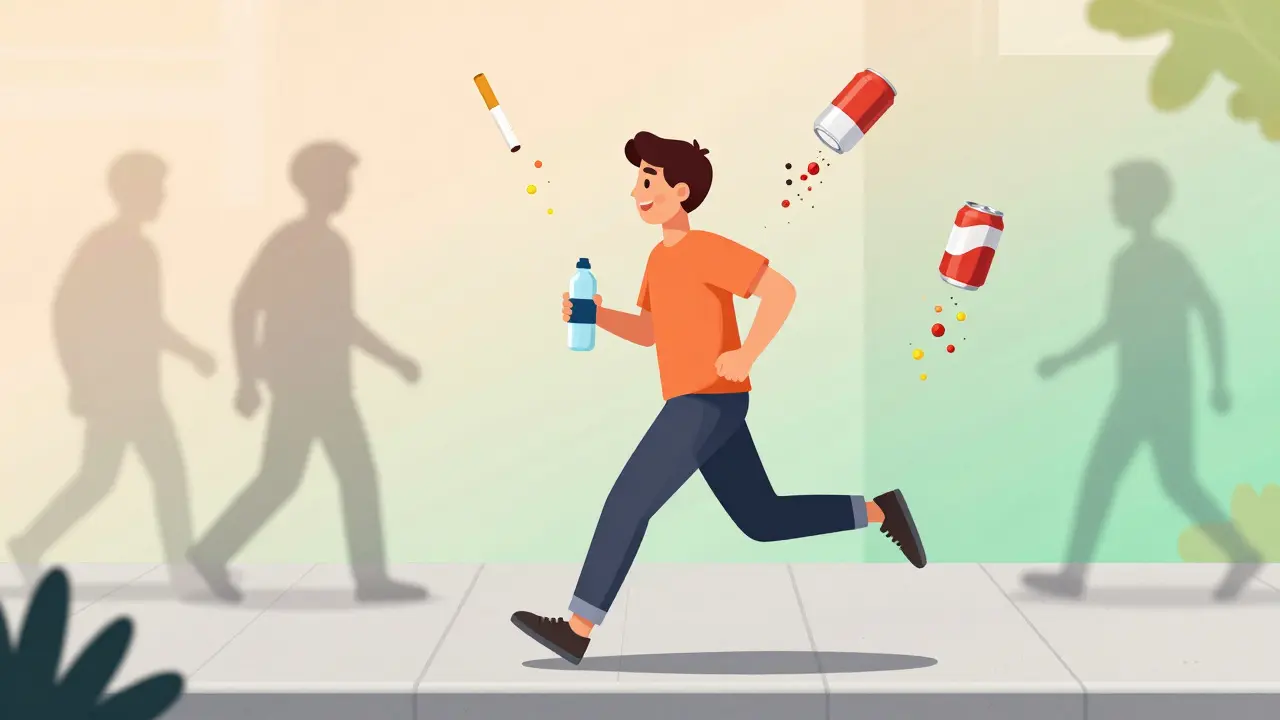
Stop Smoking and Drink Smart
Quitting smoking is one of the most powerful things you can do for your kidneys. Within months of quitting, blood flow to your kidneys improves. Your risk of kidney failure drops by 30-50%. There’s no magic trick-just commit to one day at a time. Support groups, nicotine patches, or apps like Smokefree can help. Alcohol isn’t the enemy-but too much is. Limit yourself to one drink a day if you’re a woman, two if you’re a man. That’s one 12-oz beer, 5 oz of wine, or 1.5 oz of spirits. More than that raises blood pressure and adds empty calories. And if you already have kidney issues, your doctor may recommend cutting out alcohol entirely.Watch Out for Hidden Risks
Some risks are easy to miss. NSAIDs like ibuprofen and naproxen are sold over the counter, but they’re not harmless. Using them for more than 10 days in a row can harm your kidneys, especially if you’re older or already have high blood pressure. Always check labels. If you need pain relief long-term, ask your doctor about safer options like acetaminophen (in moderation) or physical therapy. Stress is another quiet threat. Chronic stress raises cortisol, which spikes blood pressure and blood sugar. Studies from Johns Hopkins show that people who practice mindfulness, meditation, or deep breathing slow kidney damage by 15%. Ten minutes a day-while sitting quietly, listening to music, or walking in nature-makes a difference. And don’t skip your flu shot. People with kidney disease are 3-5 times more likely to get seriously ill from the flu. Vaccination isn’t optional-it’s essential.Who Needs Screening?
If you have diabetes, high blood pressure, heart disease, obesity, or a family history of kidney failure, you should get screened annually. The test is simple: a blood test for creatinine (to calculate GFR) and a urine test for protein. Both take less than five minutes. Most people with early kidney disease feel fine. That’s why screening matters. By the time symptoms like swelling, fatigue, or foamy urine appear, damage is often advanced. Catching it early means you can still reverse or slow it down.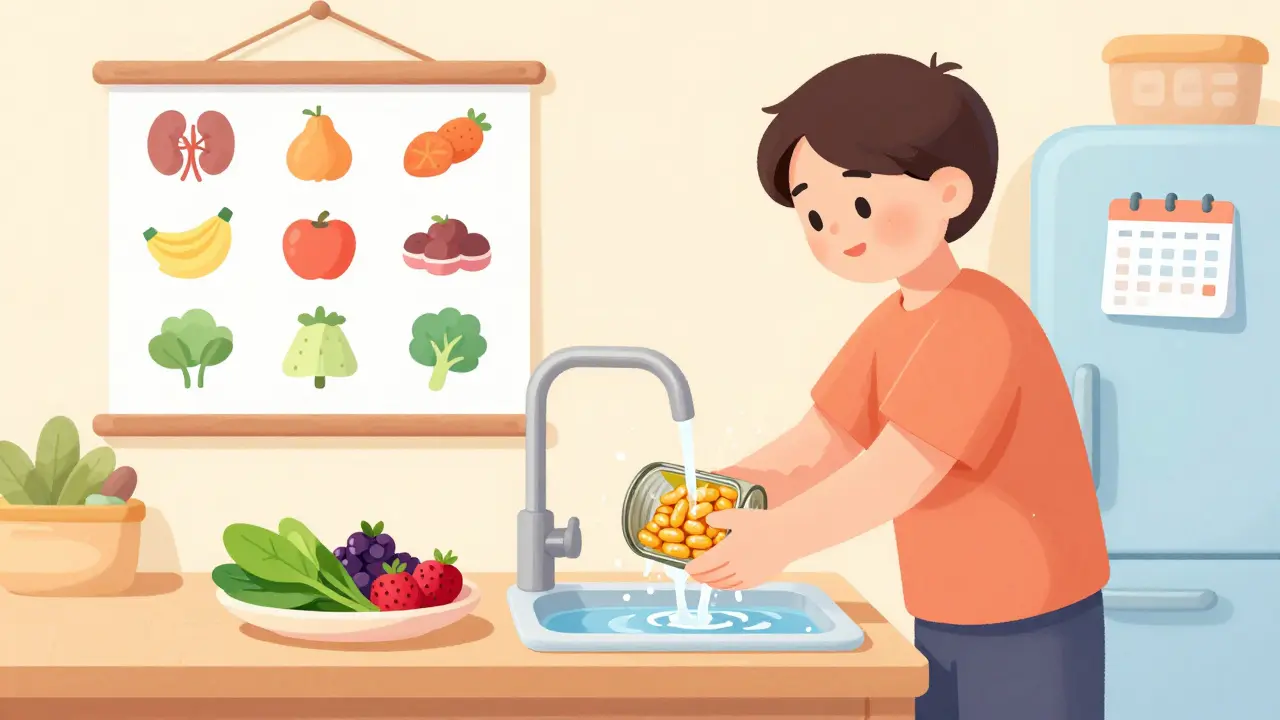
What If You’re Already Diagnosed?
Even if you’ve been told you have early-stage kidney disease (Stage 1 or 2), it’s not too late. Lifestyle changes work best at this point. People who follow diet, exercise, and medication advice in early stages reduce their risk of progression by 40% compared to those who don’t. Work with a dietitian. Many programs, like the NHS’s Healthier You Diabetes Prevention Programme, offer free support. They help you plan meals, track sodium, and adjust portions without feeling deprived. Telehealth tools are helping too. Remote blood pressure monitors that sync with your phone have increased medication adherence by 37% in clinical trials. If your doctor offers one, use it.The Bigger Picture
Kidney disease costs the U.S. healthcare system $128 billion a year-mostly for dialysis and transplants. But research shows that if we prevented just 25% of new cases over the next decade, we could save $32 billion. That’s not just money-it’s lives. Lives spent with family, not in clinics. Lives without needles, diets, and exhaustion. The tools to prevent kidney disease are simple, free, and available to everyone. You don’t need a miracle. You need to eat less salt, move more, quit smoking, check your numbers, and ask your doctor for a simple test. Start today. Your kidneys won’t thank you tomorrow-they’ll thank you in five years, ten years, and beyond.Can kidney disease be reversed?
Early-stage kidney disease (Stages 1-2) can often be slowed or even reversed with strict lifestyle changes-especially if you control blood pressure, blood sugar, and weight. Once scarring sets in (Stage 3 and beyond), the damage is permanent, but progression can still be delayed significantly with proper care.
Is drinking lots of water good for your kidneys?
Staying hydrated helps your kidneys filter waste, but there’s no magic number like "eight glasses a day." Drink when you’re thirsty. If you have advanced kidney disease, your doctor may limit fluids. For most people, clear or light yellow urine is a good sign you’re drinking enough.
Do I need to stop eating protein if I have kidney disease?
No-but you should eat the right amount. Too much protein forces your kidneys to work harder. For healthy people, 0.8g per kg of body weight is enough. If you have kidney disease, your doctor or dietitian may recommend slightly less, depending on your stage. Focus on lean sources like fish, eggs, and beans instead of red meat.
Are over-the-counter painkillers safe for kidneys?
Occasional use of ibuprofen or naproxen is usually fine. But taking them daily for weeks or months can cause kidney damage, especially if you’re over 60, have high blood pressure, or are dehydrated. Use acetaminophen (Tylenol) instead for long-term pain, and always check with your doctor first.
Why are Black and Hispanic people at higher risk for kidney failure?
Black Americans are 3.4 times more likely, and Hispanic Americans 1.3 times more likely, to develop kidney failure than White Americans. This gap comes from higher rates of diabetes and high blood pressure, plus unequal access to care, healthy food, and preventive services. Targeted screening and community health programs are critical to closing this gap.
How often should I get my kidneys checked?
If you have diabetes, high blood pressure, heart disease, obesity, or a family history of kidney disease, get tested once a year. The tests are simple: a blood test for creatinine and a urine test for protein. If you’re healthy and under 40 with no risk factors, testing every 2-3 years is fine. Don’t wait for symptoms-they don’t show up until it’s too late.




Matt Beck
January 7, 2026 AT 03:52