
Skin Chafing vs Skin Conditions: How to Tell the Difference and Treat It Fast
September 1 2025
Lp(a) Risk: What It Is, Why It Matters, and How to Manage It
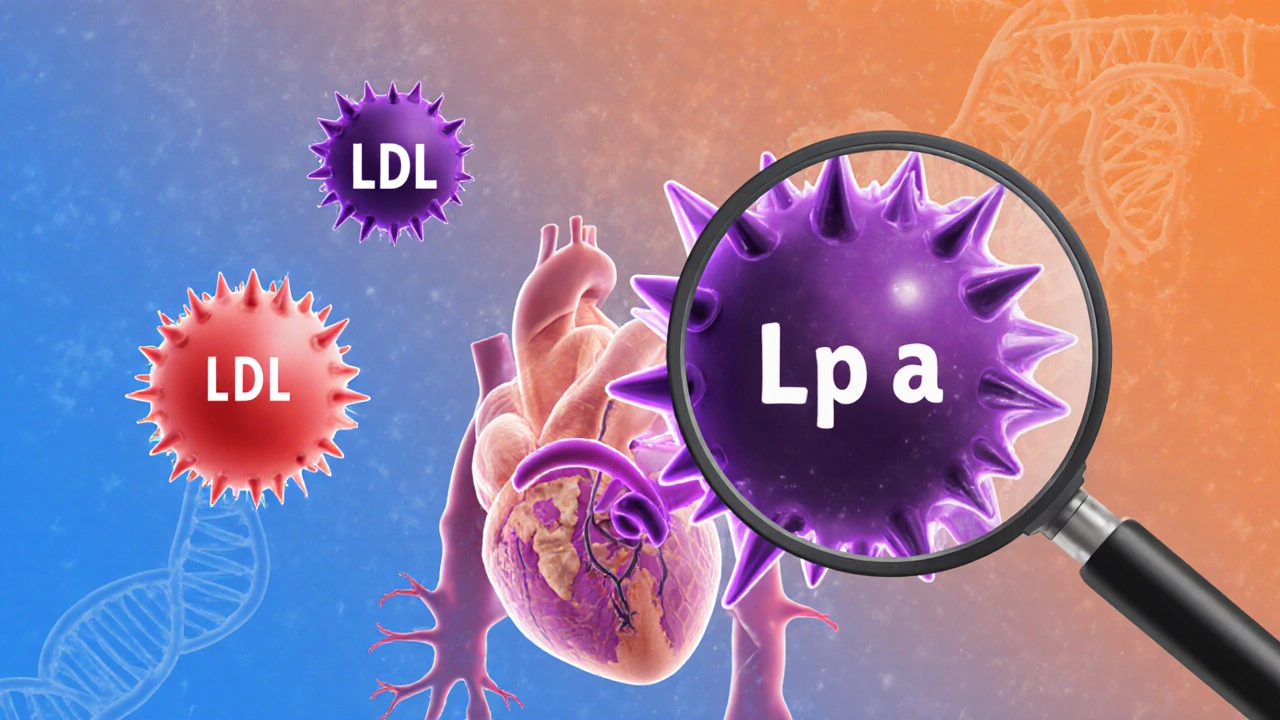
When it comes to heart disease, most people focus on LDL cholesterol, blood pressure, or smoking. But there’s another silent player: Lp(a), a type of lipoprotein that carries cholesterol in the blood and is genetically determined. Also known as lipoprotein(a), it’s not measured in standard cholesterol panels — and that’s a problem. Unlike regular LDL, Lp(a) levels don’t respond to diet or exercise. If you have high Lp(a), your risk of heart attack, stroke, or aortic stenosis goes up — even if your other numbers look fine.
This isn’t just about cholesterol. Lp(a) is structurally similar to plasminogen, which means it can interfere with blood clot breakdown. That makes it stickier, more likely to build up in artery walls, and harder for your body to clear. Studies show people with Lp(a) above 50 mg/dL have up to a 3x higher risk of cardiovascular events. And here’s the kicker: you can’t change it. It’s inherited. If your parent had a heart attack in their 40s with no obvious cause, high Lp(a) might be why.
That’s why knowing your Lp(a) level matters — especially if you have early heart disease, a family history of sudden cardiac events, or unexplained plaque buildup. Most doctors don’t test for it unless you’re high risk, but a simple blood test can reveal it. And once you know, you can work with your provider to manage the downstream effects. That might mean tighter control of your LDL with statins or newer drugs like PCSK9 inhibitors, which can lower both LDL and Lp(a). Some research even points to emerging therapies specifically targeting Lp(a), like antisense oligonucleotides, though those aren’t widely available yet.
It’s not just about drugs. Niacin has been shown to reduce Lp(a) levels in some patients, though side effects can be tough. Lifestyle won’t fix high Lp(a), but it can reduce other risks — like controlling blood pressure, avoiding smoking, and keeping diabetes in check. Every little bit lowers your total risk. And if you’ve had a heart event with no clear cause, asking for an Lp(a) test could be the missing piece.
What you’ll find below isn’t theory — it’s real-world advice from people who’ve been there. Posts cover how Lp(a) connects to statin use, why some generic drugs might not be enough, what blood thinners do when plaque is involved, and how heart valve issues can tie into the same underlying risks. You’ll see how Lp(a) shows up in studies on NTI drugs, why medication adherence matters more when your genetics are working against you, and how doctors are starting to treat it differently now than five years ago. This isn’t a one-size-fits-all topic. It’s personal. And if you’ve been told your heart is fine but still feel something’s off — this might be why.
 20 Nov
Lipoprotein(a): Understanding Your Genetic Heart Risk and What You Can Do
Lipoprotein(a) is a genetic risk factor for heart disease that's often missed in routine checkups. Learn what it is, who's at risk, and what treatments are on the horizon.
Read More...