Clinical Studies on Generic Drug Efficacy: What the Research Really Shows
February 28 2026
Cultural Competence in Healthcare: Why It Matters for Medication Safety and Patient Trust
When we talk about cultural competence, the ability of healthcare providers to understand and respect patients’ cultural backgrounds, beliefs, and communication styles. Also known as cultural humility, it’s not about checking a box—it’s about building trust so patients actually follow through with treatment. If a patient doesn’t feel heard because their language, religion, or family structure isn’t considered, they’re more likely to skip doses, avoid follow-ups, or even stop treatment entirely. This isn’t hypothetical. Studies show that patients from marginalized communities are twice as likely to experience medication errors when providers don’t adjust their communication style.
Healthcare disparities, differences in health outcomes tied to race, ethnicity, income, or geography. Also known as health inequities, it shows up in simple ways: a patient from a culture that views pills as "strong medicine" might refuse to take a daily blood pressure drug because they believe it should only be used during a crisis. Or someone who speaks limited English might misunderstand instructions for a blood thinner because the pamphlet was never translated. These aren’t just misunderstandings—they’re systemic gaps that lead to hospitalizations and worse. And it’s not just language. Beliefs about pain, mental health, or even the role of family in decision-making can change how someone responds to a prescription. A person from a collectivist culture might not want to take a drug that makes them feel "different" from their family, even if it’s medically necessary.
Patient trust, the foundation that makes someone believe their provider has their best interest at heart. Also known as therapeutic alliance, it doesn’t come from a fancy office or a long resume. It comes from listening. It comes from asking, "What do you believe about this medicine?" instead of just saying, "Take this twice a day." When providers skip that step, they lose more than compliance—they lose credibility. That’s why posts on this site cover topics like why people feel worse on generic drugs (it’s often about perception, not chemistry), how kidney patients mismanage antacids because they don’t understand the risks, or why LGBTQ+ individuals avoid cancer screenings due to past discrimination. These aren’t random stories—they’re all connected by the same root: cultural competence—or the lack of it.
What you’ll find here aren’t theory-heavy essays. These are real-world examples of how cultural understanding—or the absence of it—impacts everything from taking a pill on time to surviving a chronic illness. You’ll see how a simple question about diet or family support can make the difference between a successful treatment and a dangerous relapse. Whether you’re a patient, caregiver, or provider, this collection shows you how to bridge the gap between medical advice and real life.
 14 Nov
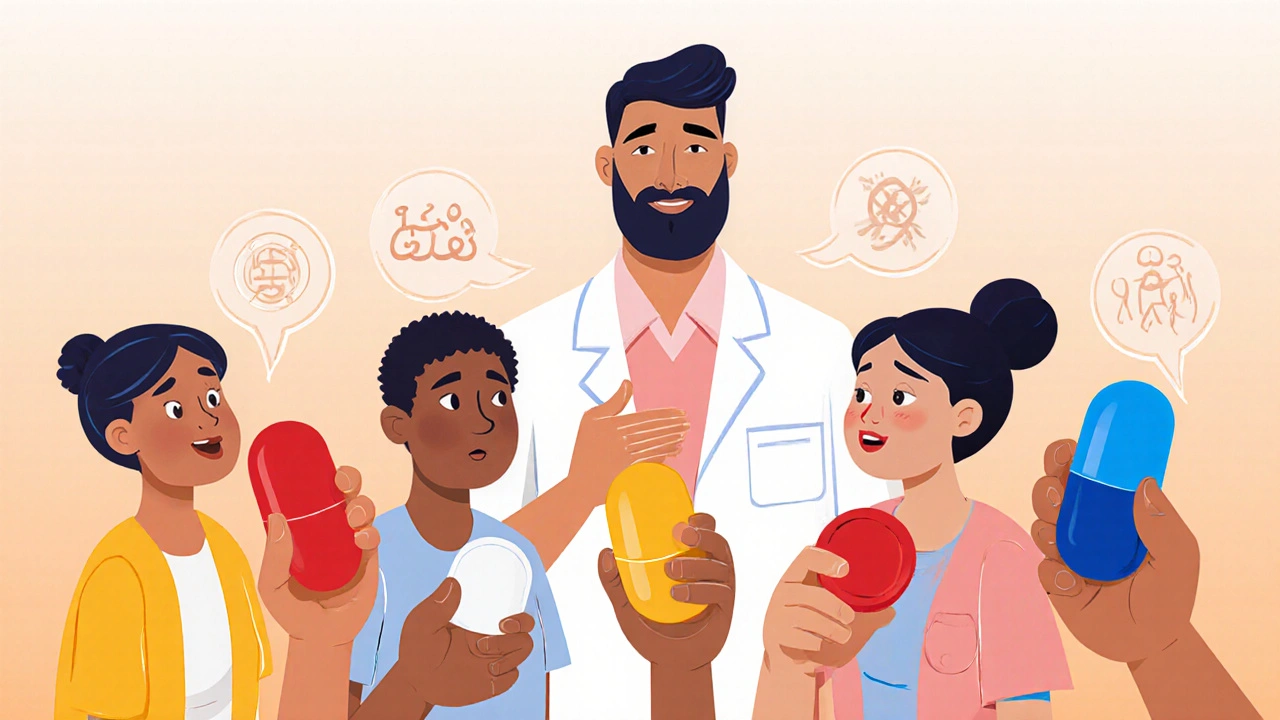
Multicultural Perspectives on Generics: How Culture Affects Medication Adherence
Cultural beliefs about medication appearance, ingredients, and trust deeply affect whether patients take their generic drugs. Learn how religion, color, language, and labeling impact adherence-and what’s being done to fix it.
Read More...POPULAR POSTS

Chronic GERD Complications: Barrett’s Esophagus and Screening
February 27 2026

Global Biosimilar Markets: Europe vs United States
March 21 2026