Heart Valve Diseases: Understanding Stenosis, Regurgitation, and Modern Surgical Treatments
November 16 2025
Placebo Effect: How Belief Shapes Healing and Why It Matters
When you take a sugar pill and feel better, it’s not in your head—it’s in your body. The placebo effect, a measurable improvement in symptoms after receiving an inactive treatment due to belief in its effectiveness. Also known as psychological healing response, it’s one of the most powerful, yet misunderstood, forces in modern medicine. This isn’t about pretending to be well. It’s about your brain releasing real chemicals—endorphins, dopamine, even cortisol—that change how you feel, how much pain you sense, and even how your body responds to illness.
The placebo control, the standard comparison used in clinical trials to separate real drug effects from belief-driven changes is the backbone of every drug approval process. Without it, we wouldn’t know if a new painkiller works because of its chemistry—or because patients expect it to work. Studies show that in conditions like chronic pain, depression, and even Parkinson’s, the placebo effect can match or even exceed the results of actual medication. That’s why researchers don’t just test drugs—they test expectations. The color of a pill, the size of a capsule, the confidence of the doctor—all of these shape the outcome. A blue pill might calm anxiety better than a red one. A larger pill feels stronger. A pill from a well-known brand works better than a generic, even when they’re identical.
The clinical trials, rigorous scientific tests that use placebo groups to determine if a drug truly works aren’t just about proving effectiveness—they’re revealing how deeply your mind and body are connected. When someone believes they’re getting treatment, their nervous system changes. Blood pressure drops. Inflammation eases. Pain signals slow down. This isn’t weakness. It’s biology. And it’s why doctors sometimes see patients improve even before the active ingredient kicks in. The medication belief, the psychological expectation that a treatment will work, often shaped by branding, past experience, or cultural norms is a real drug ingredient—one that no pharmacy can bottle, but every patient carries.
What does this mean for you? If you’ve ever felt better after taking a pill you thought was powerful—even if it was just a sugar tablet—you’ve felt the placebo effect in action. It doesn’t mean your pain wasn’t real. It means your body has an incredible ability to heal itself, if given the right signal. That’s why some of the most effective treatments aren’t just about chemistry—they’re about trust, routine, and expectation. And that’s why the posts below don’t just list drugs—they show you how belief, science, and real-world outcomes collide in everyday medicine.
 10 Nov
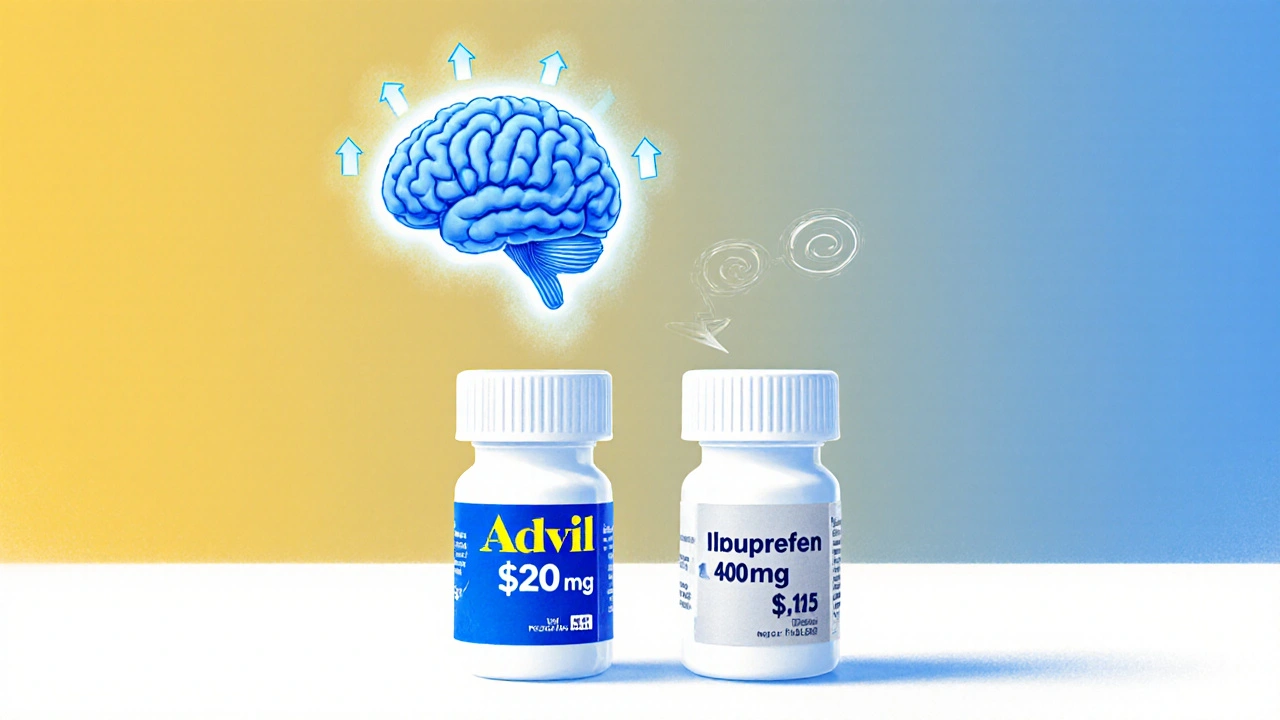
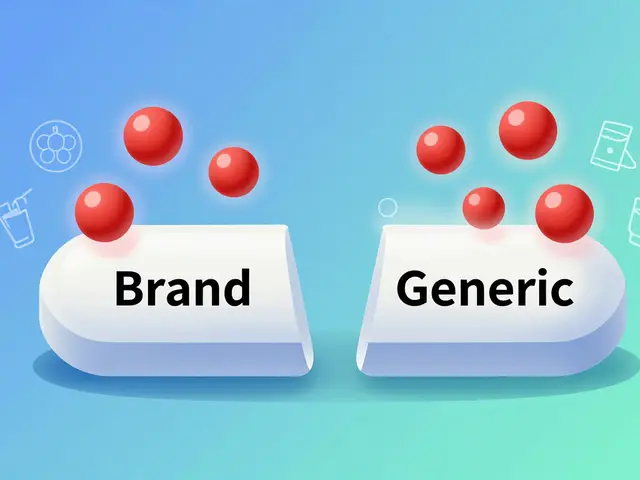
Placebo Effect with Generics: Why Psychology Matters More Than Chemistry
Why do some people feel worse on generic drugs even when they're chemically identical to brand names? The answer lies in psychology - not chemistry. Learn how perception shapes effectiveness and what you can do about it.
Read More...POPULAR POSTS
Drug Interactions: Same Risk for Generic and Brand Medications
January 30 2026


The Role of Atomoxetine in End-of-Life Care
July 21 2023