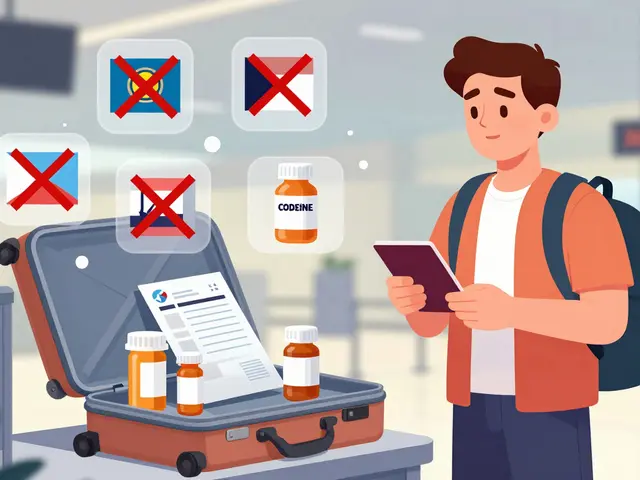
Finding Medications Abroad and Getting Local Prescriptions: A Practical Guide for Travelers
March 13 2026
NTI Drugs: What They Are, Why They Matter, and What You Need to Know
When a medication has a Narrow Therapeutic Index, a tiny difference between a safe dose and a toxic one. Also known as NTI drugs, these medications require extreme precision—take a little too much, and you risk serious harm; take a little too little, and the treatment fails. This isn’t just a technical detail. It’s a life-or-death factor for people taking drugs like warfarin, phenytoin, or levothyroxine every single day.
NTI drugs don’t play nice with changes. Switching from a brand to a generic? Even if the active ingredient is identical, minor differences in how the body absorbs it can throw your levels off. Missing a dose? That’s not just inconvenient—it could trigger a seizure, a blood clot, or a thyroid crisis. These drugs aren’t like ibuprofen or antihistamines. They’re like tuning a piano: if the string is off by a fraction, the whole note sounds wrong. That’s why doctors monitor blood levels closely for patients on NTI drugs. That’s why pharmacists double-check prescriptions. And that’s why you need to know exactly what you’re taking and why.
Many of the posts here focus on drugs that fall into this high-risk category. You’ll find guides on missed blood thinner doses, how antacids can interfere with absorption, and why cultural beliefs about pill appearance can affect how well NTI drugs work. You’ll see real examples—like how warfarin interacts with diet, or how phenytoin levels shift with liver function. These aren’t theoretical concerns. People get hospitalized because of NTI drug errors. But with the right knowledge, you can avoid those risks.
Understanding NTI drugs isn’t about memorizing lists. It’s about recognizing when a medication demands extra care. It’s knowing when to ask your doctor about blood tests. It’s learning to spot red flags—like sudden fatigue after a dosage change, or unexplained bruising after switching pharmacies. The articles below give you the tools to manage these drugs safely. Whether you’re taking one yourself or helping someone who is, this collection gives you the practical, no-fluff facts you need to stay in control.
 18 Nov
Clinical Outcomes After NTI Generic Switches: What Studies Show
Studies show that switching to generic versions of narrow therapeutic index (NTI) drugs like warfarin, phenytoin, and cyclosporine can lead to dangerous fluctuations in drug levels. Learn what the evidence says about safety, monitoring, and patient risks.
Read More...