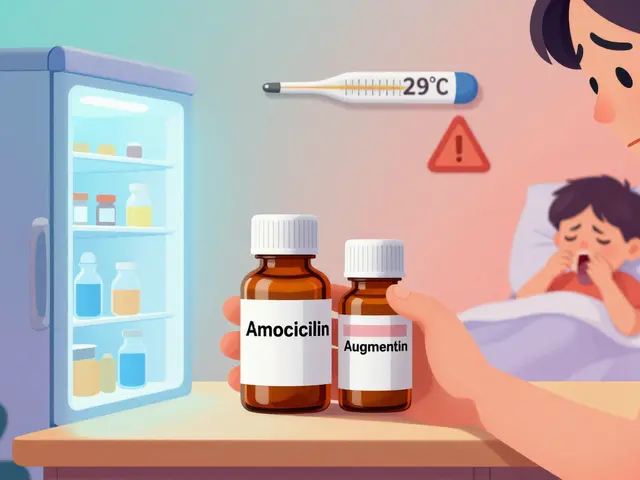
How to Store Antibiotic Suspensions for Children Properly: A Clear Guide for Parents
February 25 2026
Hearing Loss: Causes, Treatments, and Medications That Affect Your Ears
When you start missing parts of conversations or need the TV louder than everyone else, it might not be just aging—it could be hearing loss, a condition where the ability to detect sound diminishes due to damage in the ear or auditory nerve. Also known as sensorineural hearing impairment, it affects over 48 million Americans and often goes unnoticed until it’s advanced. Unlike temporary ear stuffiness from a cold, true hearing loss usually doesn’t reverse itself. And while many assume it’s just part of getting older, the truth is that drugs, noise, and even chronic conditions play a big role.
Some medications you take for other problems can quietly damage your hearing. These are called ototoxic drugs, medications that harm the inner ear or auditory nerve. Also known as ear-damaging drugs, they include certain antibiotics like gentamicin, high-dose aspirin, loop diuretics, and even some chemotherapy agents. If you’re on long-term painkillers or antibiotics, you might be at risk without knowing it. Tinnitus, a ringing or buzzing in the ears often linked to hearing loss is one of the earliest warning signs. It’s not a disease itself, but a symptom that your inner ear cells are under stress. And if you’re over 60, you’re more likely to have age-related hearing loss, the gradual decline in hearing due to natural wear and tear on the cochlea and nerve pathways—but that doesn’t mean it’s unavoidable.
What you might not realize is that hearing loss connects to bigger health issues. Poor hearing is linked to faster cognitive decline, social isolation, and even increased fall risk in older adults. That’s why some of the same medications that cause dizziness or balance problems—like benzodiazepines or antihistamines—are also flagged for their impact on ear function. Protecting your hearing isn’t just about turning down the music. It’s about knowing which drugs to question, recognizing early symptoms, and asking your doctor about alternatives when possible.
The posts below dig into exactly this: which drugs can hurt your ears, how to spot trouble before it’s too late, and what steps you can take to protect your hearing while still managing your health. You’ll find real-world advice on medication risks, what to watch for, and how to talk to your provider about safer options. This isn’t about fear—it’s about awareness. Your ears are listening. Make sure you’re listening back.
 9 Dec
9 Dec
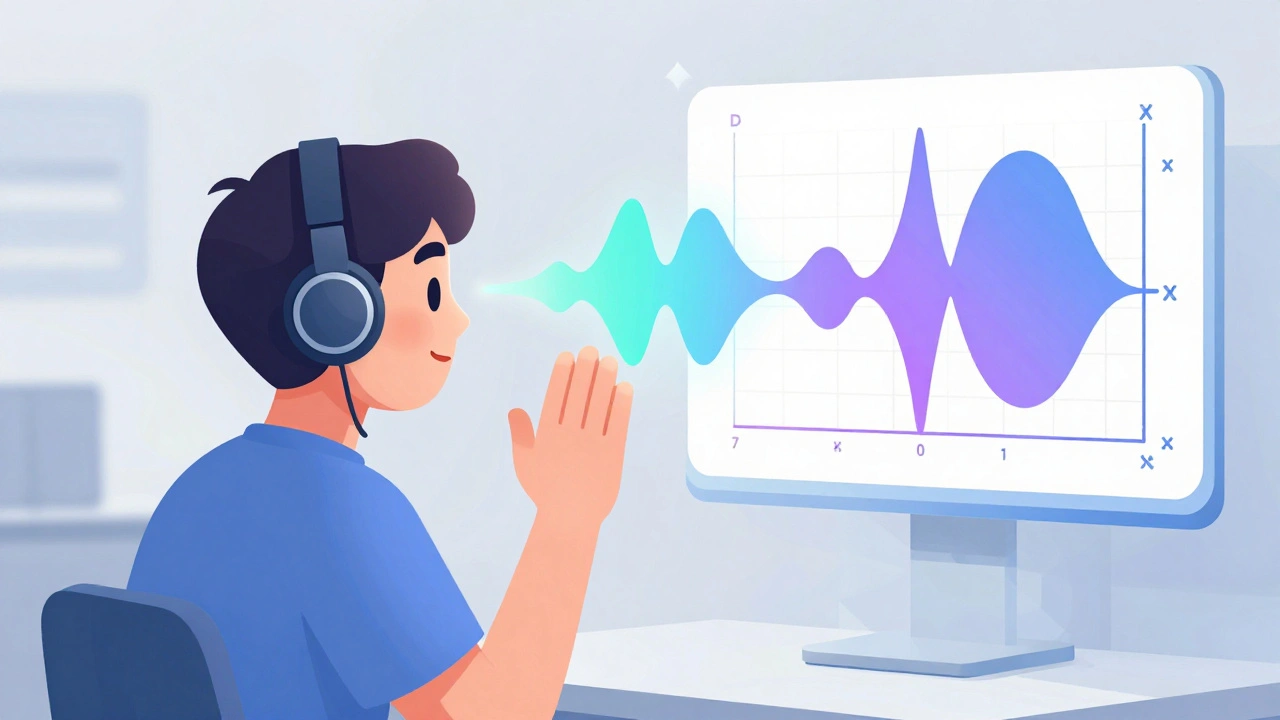
Audiometry Testing: Understanding Hearing Assessment and Decibel Levels
Audiometry testing measures hearing sensitivity using decibel levels across frequencies to detect hearing loss. Learn how pure-tone and speech tests work, what audiograms reveal, and why early assessment matters for clear communication and treatment.
Read More...POPULAR POSTS


Tips for Managing Allergic Disorders in College
May 12 2023

Buy Cheap Generic Depakote Online - Affordable Valproic Acid Options
September 29 2025