How to Check Canadian Pharmacy Legitimacy: A 2025 Guide to CIPA, PharmacyChecker & Safe Ordering
April 26 2025
Government Regulation in Pharmaceuticals: What It Means for Your Medications
When you pick up a pill from the pharmacy, government regulation, the set of laws and oversight systems that ensure drugs are safe, effective, and properly labeled. Also known as pharmaceutical compliance, it’s the invisible force that stops counterfeit drugs from reaching your medicine cabinet and ensures every batch meets the same standard. This isn’t just paperwork—it’s what keeps you from getting a fake version of your blood thinner, a contaminated antibiotic, or a generic that doesn’t work the same way as the brand.
Behind every approved drug is a chain of rules enforced by agencies like the FDA, the U.S. agency that reviews drugs before they hit the market and inspects manufacturing sites to make sure they’re clean and consistent. The FDA doesn’t just approve drugs—it watches them. Facility inspections, like those detailed in FDA Form 483 reports, catch sloppy practices before they hurt someone. Then there’s the DSCSA, a federal system that tracks every pill from manufacturer to pharmacy using unique serial numbers. If a drug gets recalled, DSCSA lets them find every single bottle in under 24 hours. Without it, counterfeit drugs could slip through quietly, and you’d never know.
It’s not just about keeping bad drugs out—it’s also about making sure the good ones work right. Rules around generic drugs, like those covering narrow therapeutic index (NTI) medications, exist because switching brands can be risky for drugs like warfarin or thyroid pills. Even how a pill looks—its color, shape, or packaging—can affect whether you take it, which is why cultural factors and labeling standards are now part of regulatory discussions. And when insurance denies your brand-name drug, it’s government policy that gives you the right to appeal.
These rules aren’t perfect, but they’re the reason you don’t have to be a pharmacist to trust what’s in your medicine. Whether it’s stopping dangerous abbreviations on prescriptions, requiring double-checks for high-alert drugs like IV insulin, or forcing manufacturers to prove quality before shipping, government regulation is the quiet guardrail keeping you safe. Below, you’ll find real stories and breakdowns of how these systems actually work—from how inspections uncover problems to how traceability stops fake drugs before they get to you.
 2 Dec
2 Dec
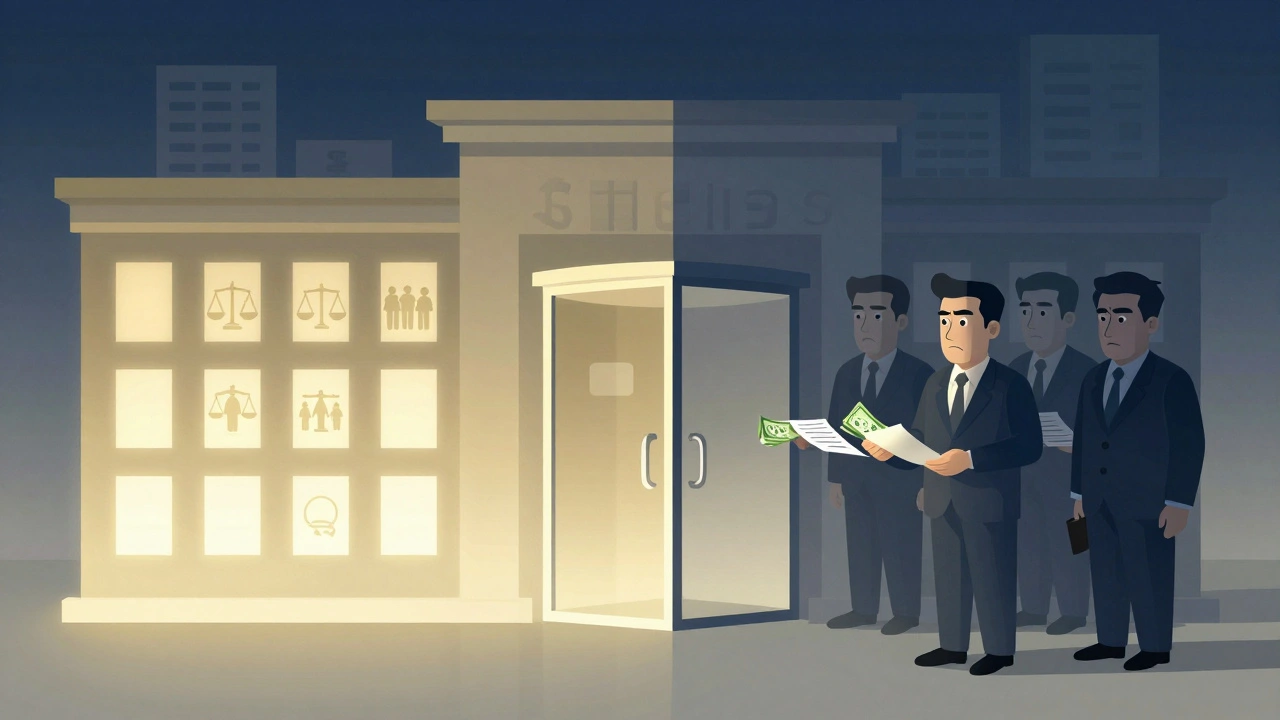
Regulatory Capture: How Industry Influence Undermines Public Protection
Regulatory capture occurs when government agencies meant to protect the public end up serving the industries they regulate. From the revolving door to hidden lobbying, this systemic problem undermines safety, fairness, and democracy.
Read More...