
Generic Drug Contamination: Recent Cases and Prevention Strategies
February 5 2026
First-Generation Antihistamines: What They Are, How They Work, and What You Need to Know
When you reach for an allergy pill and feel sleepy afterward, you’re probably taking a first-generation antihistamine, a class of older allergy medications that cross the blood-brain barrier and cause drowsiness. Also known as sedating antihistamines, these drugs were among the first to block histamine, the chemical your body releases during allergic reactions. But unlike newer options, they don’t just calm sneezing and itching—they slow down your brain, too.
These medications, like diphenhydramine, the active ingredient in Benadryl, often used for allergies and sleep and chlorpheniramine, a common choice in cold and allergy combos, work fast and cheap. They’re still found in many over-the-counter products because they’re effective at stopping runny noses and watery eyes. But they also cause dry mouth, blurry vision, constipation, and confusion—especially in older adults. That’s why doctors now warn against using them long-term for allergies. A 2020 study in the Journal of the American Geriatrics Society linked long-term use of these drugs to a higher risk of dementia in seniors, likely because they interfere with acetylcholine, a key brain chemical.
Many people still use them because they’re cheap, easy to find, and work for occasional relief. But if you’re taking one daily, or if you’re over 65, it’s worth asking if there’s a better option. Second-generation antihistamines like cetirizine or loratadine don’t cause drowsiness and are safer for regular use. Still, first-gen antihistamines have their place—like for nighttime allergy relief when you want to sleep, or as a quick fix before a flight. The key is knowing when to use them and when to avoid them.
What you’ll find below are real, practical posts that dig into the risks, uses, and hidden dangers of these drugs. From how they increase fall risk in older adults to why they show up in cold meds you didn’t know contained them, these articles give you the facts without the fluff. You’ll learn what to watch for, what to ask your pharmacist, and how to switch safely if needed. This isn’t theory—it’s what people actually experience when they take these pills.
 21 Nov
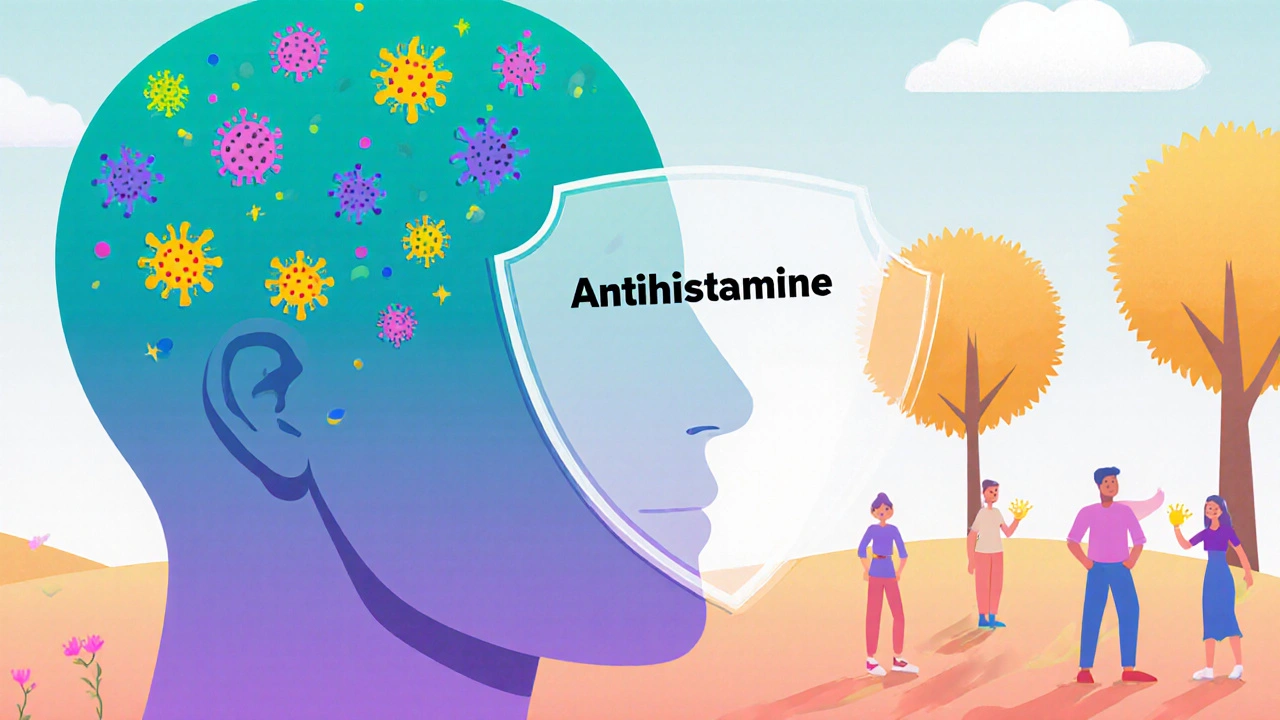
Antihistamines: Types, Side Effects, and Safe OTC Use Guidelines
Learn how to choose the right OTC antihistamine for allergies-understand the differences between Zyrtec, Claritin, and Allegra, their side effects, safe use tips, and what to avoid. Get real-world advice backed by clinical data.
Read More...