Audiometry Testing: Understanding Hearing Assessment and Decibel Levels
December 9 2025
Fall Risk Medications: What You Need to Know Before Taking Them
When you take fall risk medications, drugs that increase the chance of losing balance or fainting, especially in older adults. Also known as sedating medications, they’re often prescribed for sleep, anxiety, blood pressure, or pain—but they can turn a simple step into a hospital visit. It’s not about avoiding medicine. It’s about knowing which ones quietly put you at risk.
Many people over 65 take four or more pills a day. That’s called polypharmacy, the use of multiple medications at once, which increases side effects and interactions. It’s not illegal. It’s common. But when you mix a blood pressure pill with a sleep aid and an anti-anxiety drug, your body doesn’t know what to do. Your blood pressure drops too fast. Your brain gets foggy. Your legs feel like jelly. And suddenly, you’re on the floor. Studies show that just one of these drugs can double your fall risk. Two? Triple it. Benzodiazepines, a class of sedatives used for anxiety and insomnia, including drugs like diazepam and lorazepam. Also known as benzos, they slow your reflexes and make you dizzy—even the next day. Antihypertensives, medications that lower blood pressure, such as beta-blockers and diuretics. Also known as blood pressure pills, they’re lifesavers—but if your dose is too high or you stand up too fast, your blood pressure plummets, and you might not catch yourself. Even common painkillers like tramadol or muscle relaxants like cyclobenzaprine can throw off your balance.
You don’t have to stop taking your meds. But you should ask your doctor: Could this be making me unsteady? Is there a safer alternative? Can I cut one down? Many older adults feel guilty asking. They think, "I’m supposed to take all these pills." But if one of them is quietly making you fall, that’s not adherence—that’s danger. Simple changes—like switching from a long-acting benzo to a short-acting one, or adjusting your diuretic timing—can cut your risk without losing the benefit.
The posts below dig into real cases: how a single sleep aid led to a hip fracture, why mixing blood pressure drugs with painkillers is riskier than people think, and what alternatives exist for anxiety and insomnia that don’t wreck your balance. You’ll find clear breakdowns of the most dangerous pills, how to spot warning signs, and what to say to your pharmacist when you’re unsure. This isn’t about fear. It’s about control. You deserve to stay strong, steady, and safe—with the right meds, at the right dose, at the right time.
 17 Nov
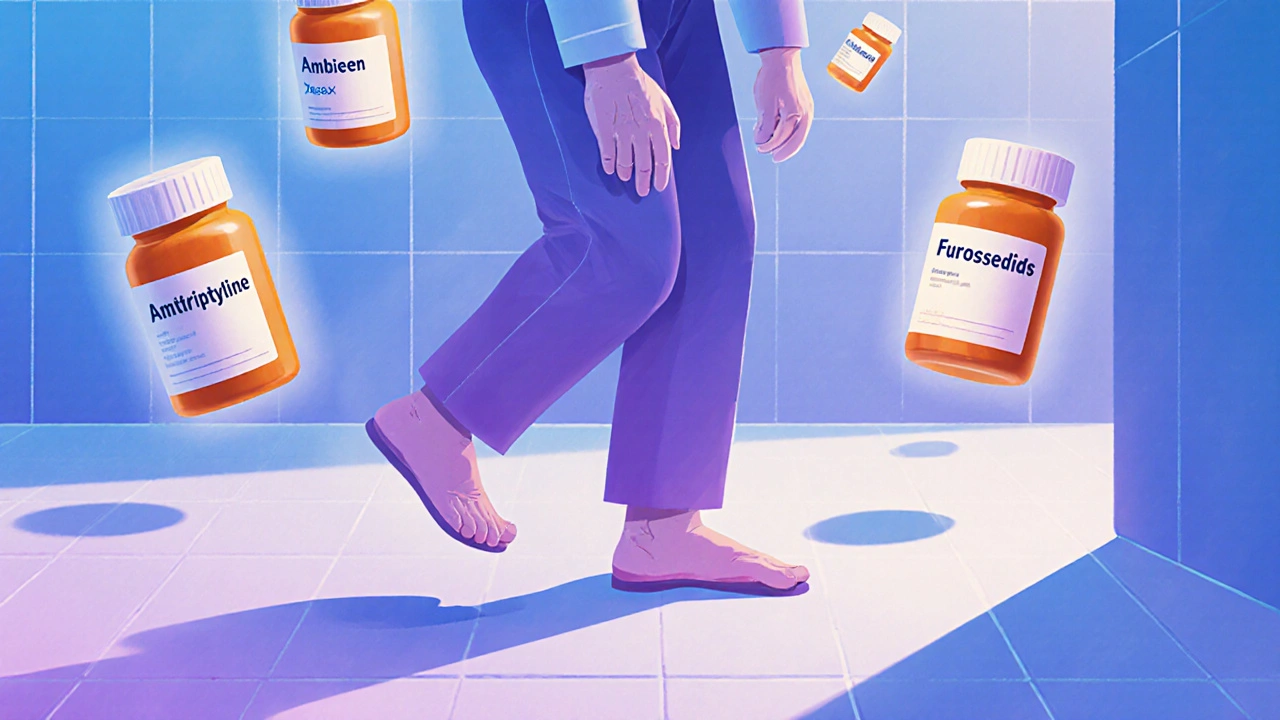
Fall Risk in Older Adults: Medications That Increase Injury Potential
Many older adults fall because of medications they're taking-antidepressants, benzodiazepines, sleep aids, and even OTC allergy pills. Learn which drugs raise fall risk and how to reduce it safely.
Read More...POPULAR POSTS



Buy Cheap Generic Viagra Online - Fast, Safe, and Affordable
October 7 2025
How Palliative Care Improves Carcinoma Treatment Outcomes
October 8 2025