Albendazole: What It Is and How It Works to Fight Parasites
October 27 2025
Antihistamines: What They Are, How They Work, and What You Need to Know
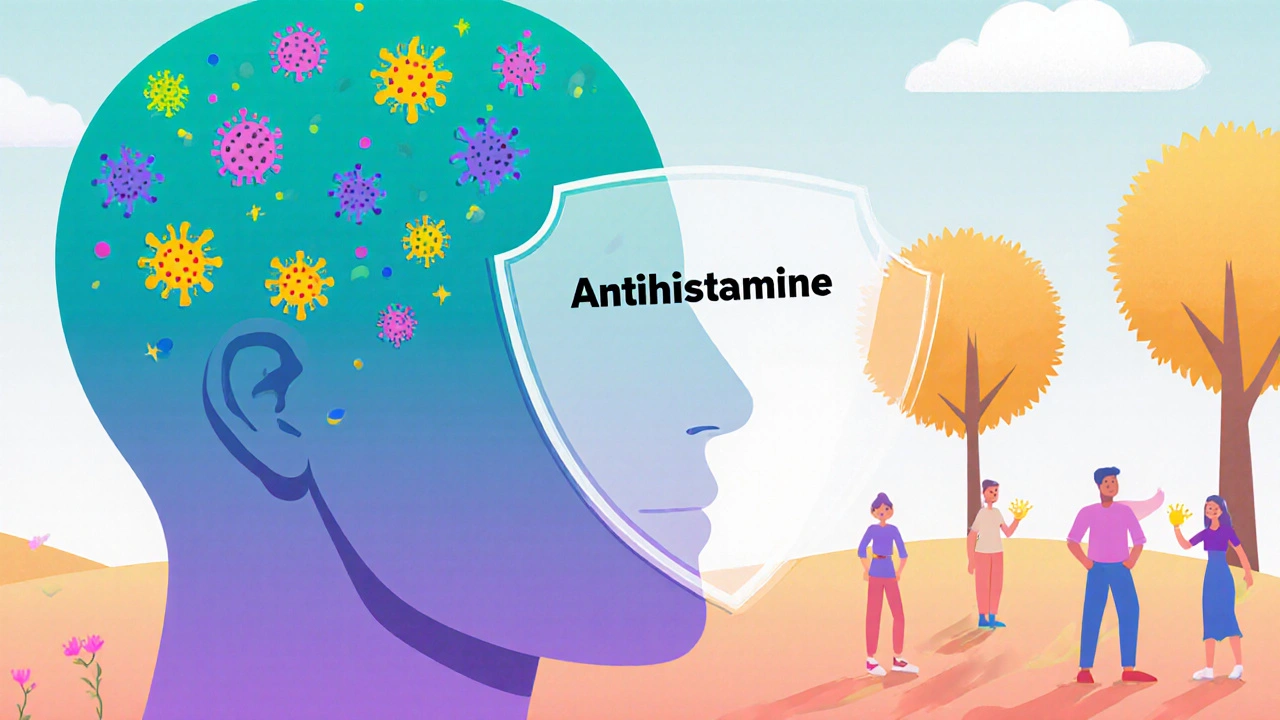
When your nose runs, your eyes itch, or your skin breaks out in hives, you’re likely dealing with antihistamines, drugs that block histamine, a chemical your body releases during allergic reactions. Also known as allergy pills, they’re one of the most common over-the-counter remedies worldwide—but not all are created equal. Some make you sleepy. Others don’t. Some are safe for older adults. Others increase your risk of falling.
Not every antihistamine is the same. First-generation types like diphenhydramine (Benadryl) cross into your brain and cause drowsiness—that’s why they’re in nighttime cold medicines. But that same effect can be dangerous for seniors, increasing fall risk and confusion. Second-generation antihistamines like cetirizine (Zyrtec) and loratadine (Claritin) were designed to avoid that. They work just as well for sneezing and runny nose, but rarely make you drowsy. Still, even these can interact with other meds. Mixing them with sedatives, alcohol, or CBD? That’s when things get risky. You might not feel it right away, but your reaction time slows, your balance wobbles, and your body struggles to clear the drugs properly.
And here’s something most people don’t realize: antihistamines aren’t just for allergies. They’re also used for motion sickness, insomnia, and even nausea. That’s why you’ll find them in travel patches, sleep aids, and stomach remedies. But if you’re taking multiple products, you could be doubling up without knowing it. One pill for allergies, another for sleep, a third for stomach upset—all might contain the same active ingredient. Too much can lead to dry mouth, blurred vision, urinary trouble, or worse.
If you’re over 65, managing asthma, or on blood thinners or antidepressants, your antihistamine choice matters more than you think. Some can worsen glaucoma. Others might interfere with heart rhythm. And if you’ve been using them for years because "they’ve always worked," it’s worth asking if there’s a safer option now. The science has moved on. So should you.
Below, you’ll find real-world advice from people who’ve been there—how to spot hidden antihistamines in your medicine cabinet, which ones to avoid with certain conditions, and how to switch safely without losing relief. No fluff. No marketing. Just what works, what doesn’t, and what you need to ask your doctor before the next dose.
 21 Nov
Antihistamines: Types, Side Effects, and Safe OTC Use Guidelines
Learn how to choose the right OTC antihistamine for allergies-understand the differences between Zyrtec, Claritin, and Allegra, their side effects, safe use tips, and what to avoid. Get real-world advice backed by clinical data.
Read More...