
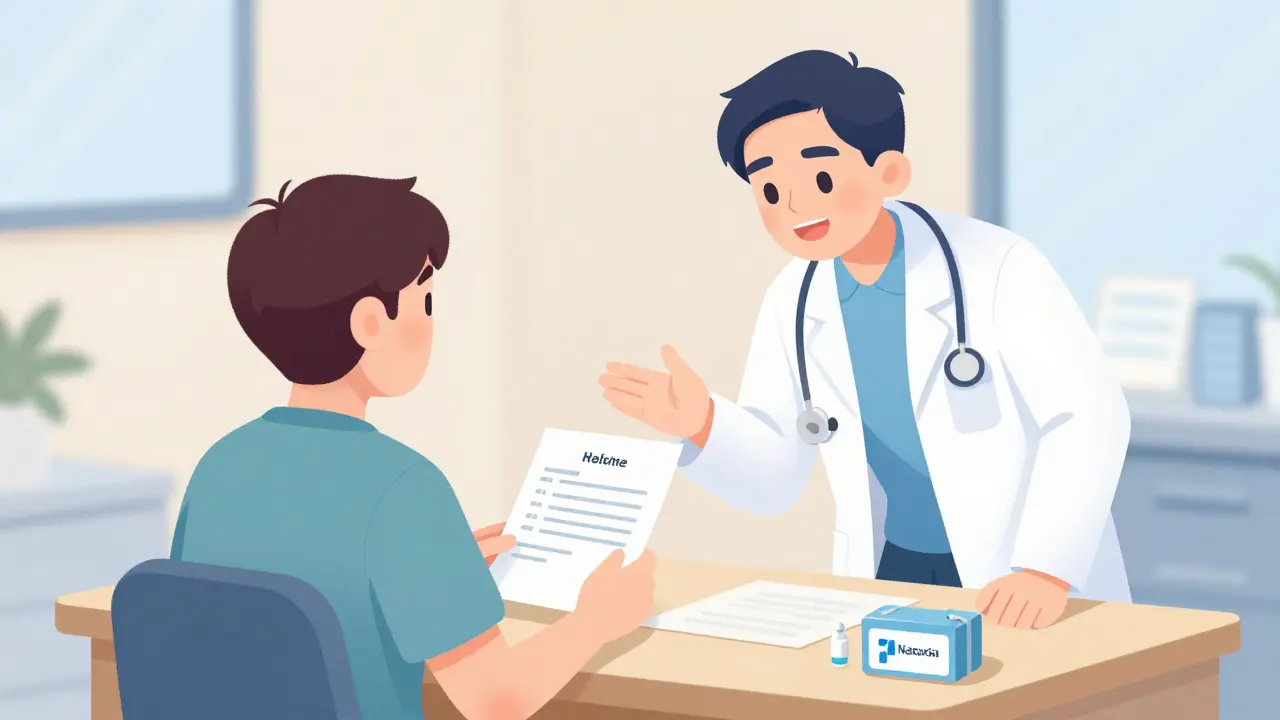
It’s hard to bring up overdose risk with your doctor-even if you’re taking prescribed pain meds, using substances to cope, or just want to be safe. You might fear being labeled, judged, or dismissed. But here’s the truth: overdose risk isn’t a moral failure. It’s a medical condition, just like high blood pressure or diabetes. And your doctor is supposed to help you manage it-not shame you for it.
Why This Conversation Matters
Every day in the U.S., 78 people die from opioid overdoses. That’s not just a statistic. That’s someone’s parent, sibling, friend, or neighbor. And many of those deaths could have been prevented if the person had access to naloxone, education, or a doctor who listened without judgment. The problem isn’t just the drugs-it’s the stigma. A 2022 survey found that 68% of people with substance use disorder (SUD) were treated with stigmatizing language by healthcare providers. Phrases like “you’re just looking for drugs” or “why would you need naloxone?” are common. And when that happens, people stop going back. They stop asking for help. That’s how lives get lost. The good news? You don’t have to accept that. You can change how this conversation goes. And you don’t need to be an expert. You just need to know what to say-and how to say it.Use Person-First Language
The words you use matter-not just for your doctor’s reaction, but for how you see yourself. Say “I have a substance use disorder” instead of “I’m an addict.” Say “I use prescription opioids for pain” instead of “I’m hooked.” Research from Johns Hopkins shows that using person-first language increases the chance your doctor will respond with compassion by 37%. Why? Because it frames your situation as a health issue, not a character flaw. Your doctor isn’t trained to judge you. They’re trained to treat illness. But if you start with language that makes them uncomfortable, they might default to old habits. Avoid words like: addict, junkie, user, abuser, clean, dirty. Instead, use: person with a substance use disorder, medication use, substance use, recovery, safety plan.Prepare Before the Appointment
Walking into a doctor’s office and saying “I’m scared I might overdose” is vague-and it opens the door for assumptions. Instead, prepare a simple timeline. Take 15-20 minutes before your visit and write down:- What medications you take (name, dose, how often)
- Any alcohol or other substances you use (even if they’re not prescribed)
- When and why you use them (e.g., “I take 10mg oxycodone twice a day for back pain, but sometimes I take an extra pill if I’m in a lot of pain”)
- Any past overdoses, near-misses, or moments you felt out of control
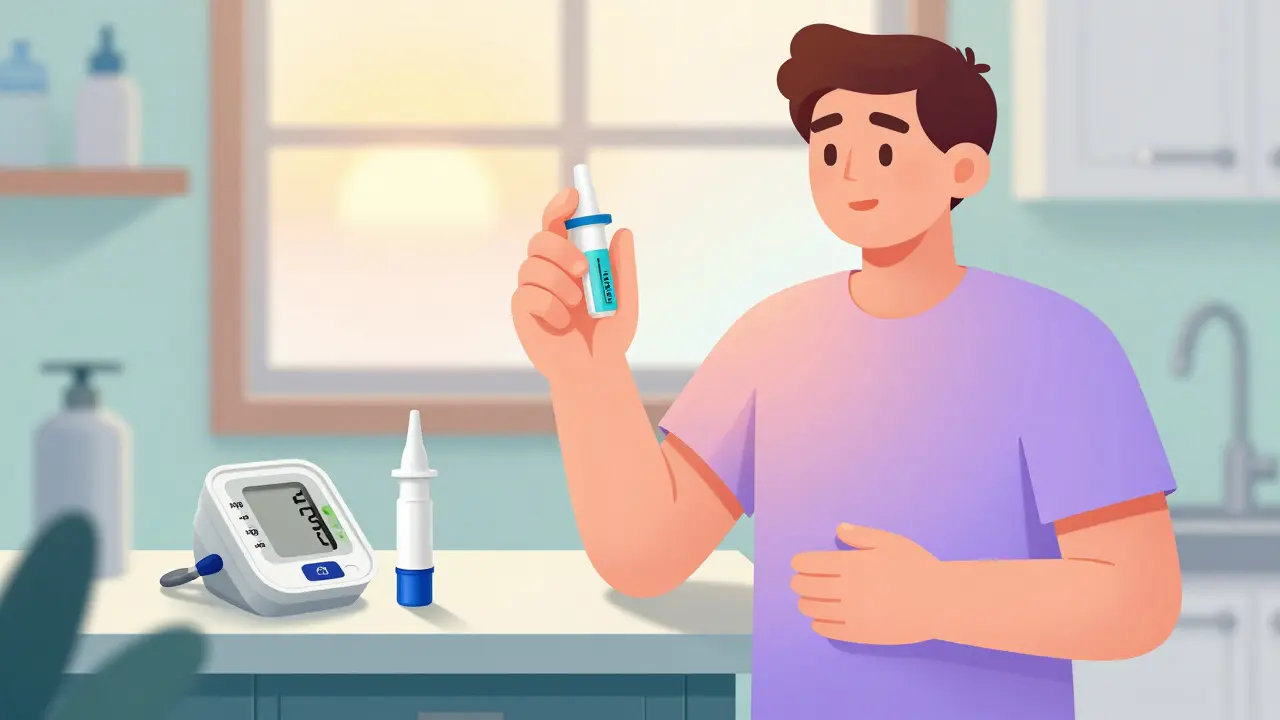
Ask for Naloxone Like You’d Ask for an EpiPen
Naloxone is a lifesaving medication that reverses opioid overdoses. It’s safe, easy to use, and works in seconds. And here’s the key: you don’t need to be using heroin to need it. Prescription opioids, even when taken as directed, can cause overdose-especially if mixed with alcohol, benzodiazepines, or if your tolerance changes. That’s why the CDC now says: “Assessment of overdose risk should be routine for all patients prescribed opioids.” So don’t whisper. Don’t apologize. Say this:“As part of my safety plan, I’d like to discuss overdose prevention. Could I get a prescription for naloxone? I want to have it on hand, just like I have a fire extinguisher at home.”A 2021 study in JAMA Internal Medicine found that patients who used this exact phrase were 62% more likely to get naloxone than those who said vague things like “I’m worried.” And thanks to the FDA’s 2023 approval of a generic nasal naloxone, the cost has dropped from $130 to $25 per kit. Many pharmacies now carry it over the counter without a prescription-but getting it from your doctor means it’s documented in your record, and you can get training on how to use it.
Call Out Stigma If It Happens
Sometimes, even with the right words, doctors still react poorly. You might hear: “Why would you need that?” or “Are you using heroin?” or “You’re just looking for drugs.” When that happens, you have a right to respond. You don’t have to stay silent. Try this:“I’m concerned that I’m being judged because of how I’m talking about my substance use. I’m not asking for more pills. I’m asking for safety. If you’re not comfortable discussing this, I’d appreciate a referral to someone who is.”Dr. Nora Volkow, director of the National Institute on Drug Abuse, says: “Stigma is the single greatest barrier to people seeking treatment.” So naming it isn’t rude-it’s necessary. If your doctor gets defensive, it’s not your fault. It’s a system problem. And you’ve already done your part by speaking up.
Use the Same Script for All Chronic Conditions
Think about how you talk about other health risks. You don’t apologize for asking about blood pressure checks. You don’t feel guilty for asking about skin cancer screenings. Overdose prevention should be the same. Dr. Bobby Mukkamala from the American Medical Association says: “Naloxone access should be viewed like an EpiPen for allergies or a defibrillator for heart conditions. It’s not about behavior-it’s about preparedness.” So frame it that way:“I manage my chronic pain with medication. Just like we check my blood sugar if I have diabetes, can we talk about overdose risk as part of my regular care?”This shifts the conversation from judgment to standard medical practice.
What If Your Doctor Says No?
Some doctors still don’t know how to respond. Or they’re afraid of legal issues. Or they’ve never been trained. If they refuse naloxone, ask:- “Can you refer me to a provider who specializes in addiction medicine?”
- “Is there a clinic nearby that offers overdose prevention services?”
- “Can you give me the name of a pharmacy where I can buy naloxone without a prescription?”




astrid cook
January 26, 2026 AT 20:26