
Millions of people with chronic pain are turning to cannabinoids-CBD, THC, CBG-hoping for relief without the risks of opioids. But here’s the hard truth: cannabinoids for pain aren’t a miracle cure. Some studies say they help. Others say they’re no better than sugar pills. And the products you buy online? They might not even contain what’s on the label.
What Cannabinoids Actually Do to Pain
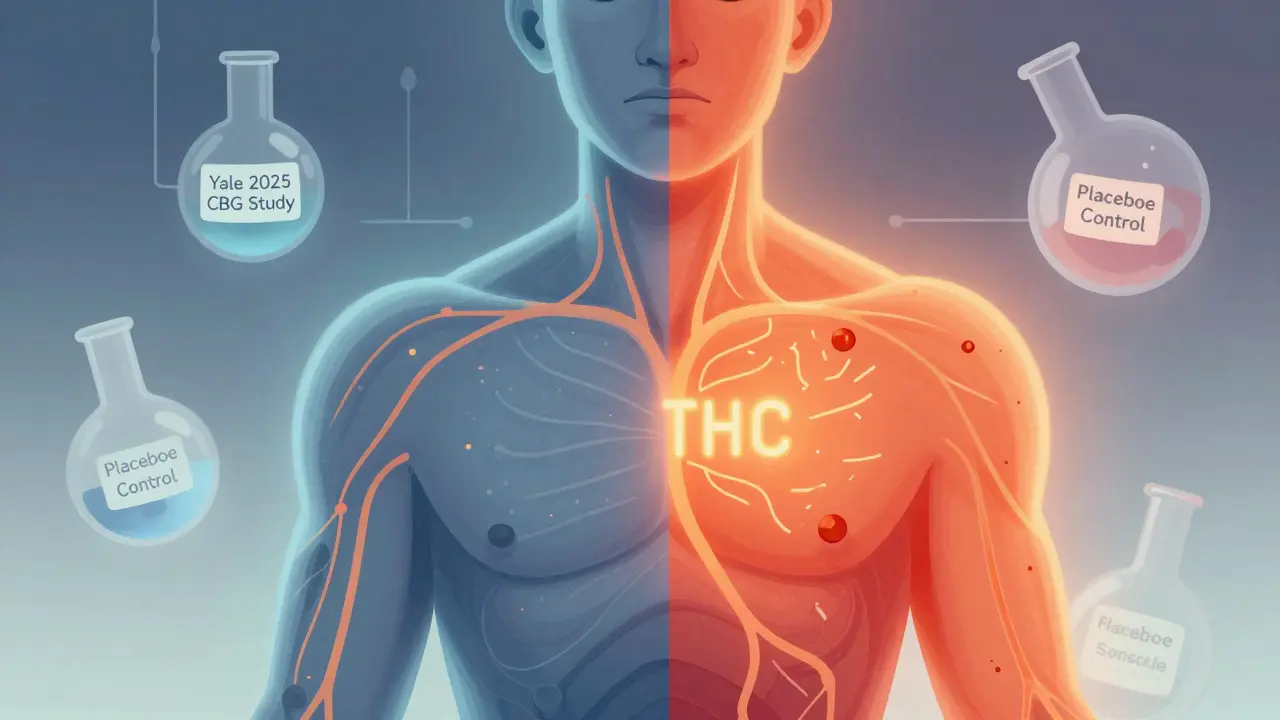
Cannabinoids interact with your body’s endocannabinoid system, a network of receptors that helps regulate pain, inflammation, and mood. The two most studied compounds are THC (the psychoactive one) and CBD (the non-intoxicating one). But newer players like CBG and CBN are showing up in labs with surprising results. A January 2025 study from Yale found that CBG, in particular, strongly blocked a key protein involved in peripheral nerve pain. That’s important because it suggests CBG could reduce pain without making you feel high. THC also shows consistent effects in clinical settings-especially for nerve-related pain like diabetic neuropathy or MS-related spasticity. In fact, Health Canada approved Sativex, a 1:1 THC:CBD spray, specifically for those conditions. But CBD alone? The evidence is shaky. A University of Bath analysis of 16 high-quality trials found 15 showed no real benefit over placebo. Harvard Medical School’s review echoed this: there’s no solid human data proving CBD relieves pain. Animal studies look promising, but humans don’t respond the same way. So if you’re buying CBD oil for arthritis or back pain, you’re gambling on hope, not science.Why the Conflicting Studies?
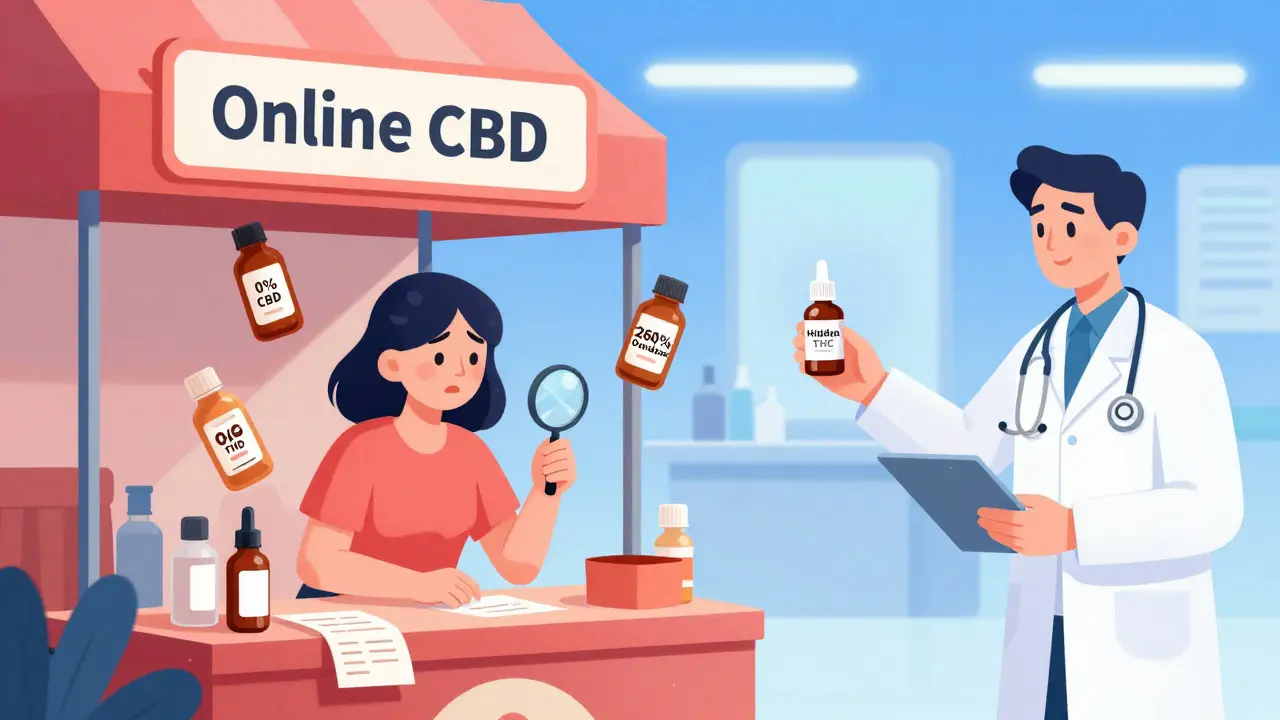
The confusion isn’t just bad science-it’s bad products. The CBD market is a wild west. The University of Bath tested 25 consumer CBD products and found some had zero CBD. Others had up to 260% more than labeled. Some even contained illegal levels of THC. That means people reporting “no effect” might have been taking a placebo. People who say it worked? They might’ve gotten a product with hidden THC. Then there’s the difference between pharmaceutical-grade and over-the-counter. Studies showing positive results usually use controlled, lab-tested doses. Real-world products? No standardization. No oversight. No guarantee. That’s why a 2023 systematic review concluded: three studies showed no benefit with CBD, one had mixed results. The same review found medicinal cannabis-meaning whole-plant extracts with THC-did show improvement in pain severity and quality of life. The CDC’s 2023 stance sums it up: “Limited evidence that cannabis works for most types of acute or chronic pain.” But they do note one exception-neuropathic pain. That’s where the strongest data lives.THC vs. CBD: Which One Actually Works?
If you’re looking for pain relief, THC has more proof behind it than CBD. But it comes with trade-offs. THC can cause dizziness, dry mouth, impaired coordination, and in some cases, anxiety or paranoia. It also shows up on drug tests. CBD doesn’t cause intoxication, but it’s not reliably effective for pain. Here’s what the data says:- THC: Proven for neuropathic pain, cancer pain, MS spasticity. Moderate pain reduction in multiple studies.
- CBD: No consistent benefit for pain in rigorous trials. May help with sleep or anxiety, which indirectly affects pain perception.
- CBG: Promising in lab studies for blocking pain signals. No large human trials yet.
- THC:CBD combos (like Sativex): Most consistent results for nerve pain. Approved in Canada and parts of Europe.
Dosing: How Much Should You Take?
There’s no official dosing guide because there’s no FDA-approved cannabinoid for pain (except Epidiolex for epilepsy). But experts in pain clinics recommend starting low and going slow. For THC:- Begin with 2.5-5 mg
- Wait at least 2 hours before taking more (edibles take longer)
- Do not exceed 10 mg daily until you know how your body reacts
- Start with 10-20 mg daily
- Monitor for 2-4 weeks
- If no change, try increasing to 30-50 mg
Safety: What Are the Real Risks?
Cannabinoids are generally safer than opioids-but not risk-free. Common side effects (from JAMA’s 2015 review):- Dizziness (9.2% vs 5.6% in placebo)
- Dry mouth (6.6% vs 2.5%)
- Nausea (5.4% vs 4.0%)
- Liver toxicity: High-dose CBD (especially over 100mg/day) can raise liver enzymes. This is rare but documented in clinical trials.
- Drug interactions: CBD and THC are metabolized by the same liver enzymes as blood thinners, antidepressants, and seizure meds. Mixing them can be dangerous.
- Psychoactive effects: Products labeled “CBD-only” sometimes contain THC. You might not realize you’re getting high until you fail a drug test or feel anxious.
What About the Opioid Crisis?
It’s tempting to see cannabinoids as the solution to the opioid epidemic. After all, over 80,000 people died from opioid overdoses in 2023. But the data doesn’t support a simple swap. A 2019 study showed states with medical cannabis laws had lower opioid deaths-at first. But that effect faded over time. Why? Because people aren’t replacing opioids with cannabinoids-they’re using both. That’s risky. Combining opioids and THC increases sedation and overdose risk. Cannabinoids aren’t a replacement for opioids. They’re a potential supplement. And only for specific types of pain.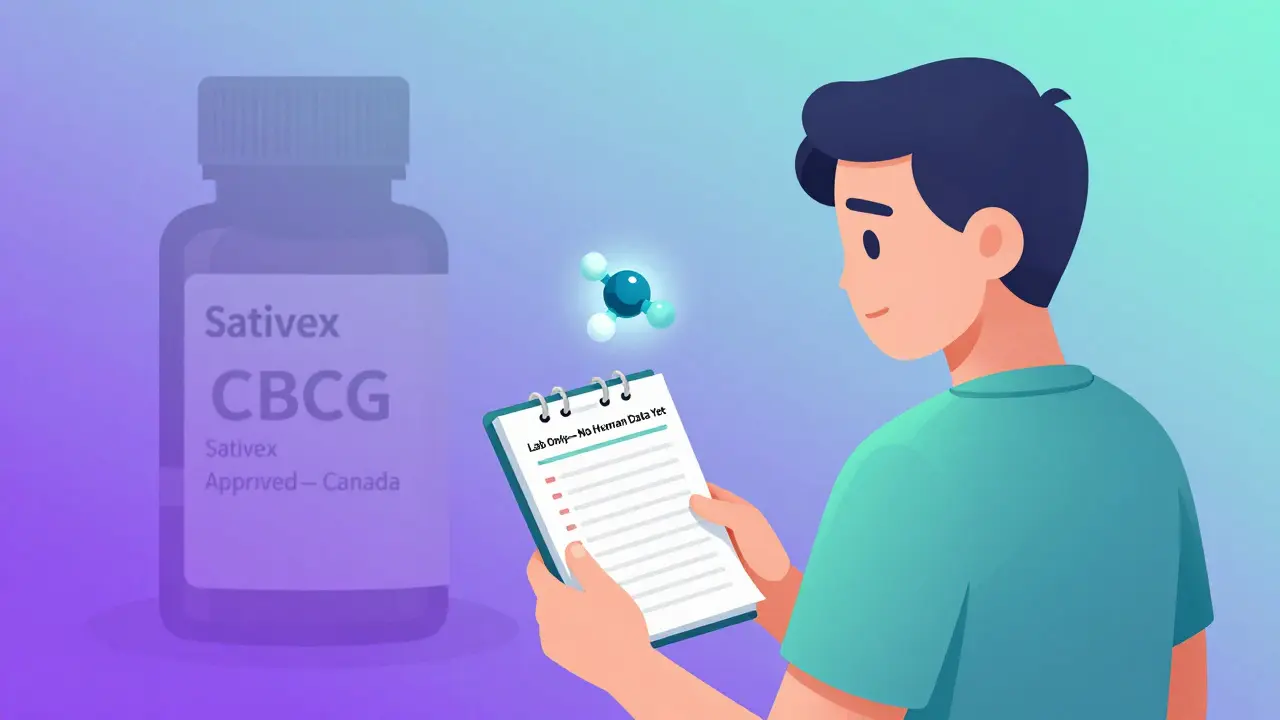
What’s Next?
The FDA is reviewing whether to reschedule cannabis from Schedule I. If it happens, research funding will open up. Right now, phase III trials are underway for CBD:THC combinations in cancer pain and chronic low back pain. Results are expected by 2025. If one of these drugs gets approved, it could become the first cannabinoid pain treatment with standardized dosing, proven safety, and regulatory backing. Until then, the market is flooded with unregulated products making bold claims.What Should You Do?
If you’re considering cannabinoids for pain:- Don’t start with CBD alone. The evidence is too weak.
- If you want THC, get it through a legal medical program. You’ll get tested, labeled, and regulated products.
- Avoid Amazon, gas stations, and Instagram ads. They’re selling snake oil.
- Ask your doctor about Sativex or other approved options if you have neuropathic pain.
- Track your symptoms. If you don’t feel better after 4 weeks, stop.
- Never stop your current pain meds without medical supervision. Withdrawal can be dangerous.
Can CBD oil really help with chronic pain?
The evidence for CBD alone is weak. Multiple high-quality studies, including a 2023 analysis of 16 trials, found CBD performed no better than a placebo for chronic pain. Some people report benefits, but those are often linked to improved sleep or reduced anxiety-not direct pain relief. If you’re buying CBD for arthritis, back pain, or fibromyalgia, you’re unlikely to get meaningful results based on current science.
Is THC better than CBD for pain?
Yes, for certain types of pain. THC has more consistent evidence for neuropathic pain, cancer pain, and muscle spasticity. A 1:1 THC:CBD combination like Sativex is FDA-approved in Canada for these conditions. CBD alone doesn’t show the same effect. THC’s psychoactive side effects make it unsuitable for everyone, but for those who can tolerate it, it offers stronger pain relief than CBD.
What’s the safest way to use cannabinoids for pain?
Use products from legal medical programs where ingredients are tested and labeled. Start with low doses: 2.5-5 mg THC or 10-20 mg CBD. Avoid edibles until you know your tolerance. Never mix with alcohol or opioids without medical supervision. Monitor for side effects like dizziness, dry mouth, or changes in liver enzymes. If you’re using other medications, talk to your doctor about possible interactions.
Are over-the-counter CBD products safe?
Many are not. A University of Bath study found that 25% of consumer CBD products contained no CBD at all. Others had up to 260% more than labeled-and some contained illegal levels of THC. These products aren’t regulated, so you can’t trust the label. They may also contain contaminants like heavy metals or pesticides. Buying from dispensaries in legal states is far safer than buying online or at gas stations.
Can cannabinoids replace opioids?
Not reliably. While some patients report reducing opioid doses with cannabinoids, studies haven’t shown consistent substitution. In fact, many use both together, which increases risk. Cannabinoids are not a replacement for opioids in acute or severe pain. They may help reduce opioid use in chronic neuropathic pain under medical supervision-but only as part of a broader plan, not as a standalone solution.
What about CBG? Is it the next big thing for pain?
CBG shows strong promise in lab studies, especially for blocking pain signals without causing a high. A January 2025 Yale study found CBG had the strongest effect among cannabinoids tested in vitro. But no human trials have been done yet. It’s not available in regulated products. Don’t buy CBG supplements expecting relief-there’s no proof they work in people. It’s still in early research.
Why do some people swear CBD works for them?
Placebo effect, improved sleep, reduced anxiety, or accidental THC exposure. Many people who report success with CBD are using products that contain hidden THC. Others benefit because pain is influenced by stress and sleep-both of which CBD may improve slightly. That doesn’t mean CBD is directly reducing pain. It’s a secondary effect. The science doesn’t support CBD as a direct analgesic.
Will the FDA ever approve a cannabinoid for pain?
Possibly. Multiple phase III trials are underway, including studies on THC:CBD combinations for cancer pain and chronic back pain. Results are expected by 2025. If one of these proves effective and safe, the FDA could approve a prescription cannabinoid by 2027. Until then, no cannabinoid product is officially approved for pain in the U.S.
What to Do Next
If you’re considering cannabinoids for pain:- Get a diagnosis first. Not all pain is the same. Nerve pain responds differently than muscle or joint pain.
- Consult a pain specialist. Don’t self-treat with unregulated products.
- If you live in a state with medical cannabis, apply for a card. You’ll get safer, tested products.
- Track your pain levels daily. Use an app or journal. If nothing changes after 4 weeks, stop.
- Be skeptical of marketing. “Pure CBD,” “100% natural,” “doctor-recommended”-these mean nothing without clinical proof.



Kacey Yates
January 29, 2026 AT 23:24