Rare Cases Where Staying on Brand Is Better: Individual Customer Response Analysis
November 26 2025
Torsades de Pointes: Causes, Risks, and Medications That Trigger It
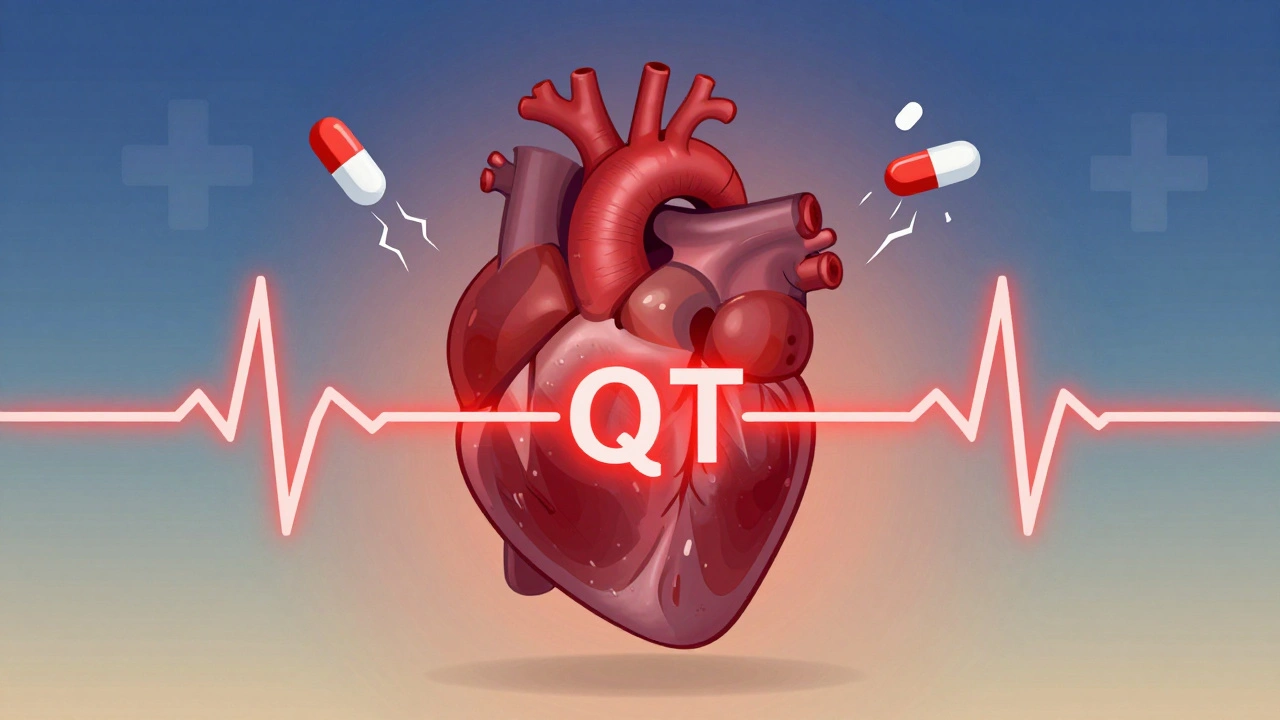
When your heart’s electrical system goes haywire, it doesn’t just skip a beat—it can spiral out of control. Torsades de Pointes, a life-threatening type of irregular heartbeat that twists on an ECG like a spiral. Also known as polymorphic ventricular tachycardia, it often strikes without warning, especially in people taking certain medications or with underlying heart conditions. This isn’t just a rare medical curiosity—it’s a real risk for anyone on drugs that stretch out the heart’s electrical cycle, known as QT prolongation.
What makes Torsades de Pointes so dangerous is how easily it’s triggered. Long QT syndrome, a condition where the heart takes longer than normal to recharge between beats is the main background condition. It can be inherited, but more often, it’s caused by drugs. Antibiotics like azithromycin, antifungals like ketoconazole, antidepressants like citalopram, and even some anti-nausea pills like ondansetron can push the QT interval past the danger line. Even people with no history of heart problems can develop this if they’re on multiple QT-prolonging drugs or have low potassium or magnesium. The risk spikes if you’re dehydrated, elderly, or have kidney disease—because your body can’t clear these drugs fast enough.
It’s not just about the drug list. QT-prolonging drugs, medications that interfere with the heart’s potassium channels and delay repolarization are everywhere. Some are prescription-only, others are sold over the counter. People don’t realize that taking an antihistamine for allergies with a painkiller or an acid reducer could stack up into a dangerous combo. And it’s not always obvious—you won’t feel your heart twisting until it’s too late. Symptoms? Dizziness, fainting, palpitations. Sometimes, the first sign is cardiac arrest.
Doctors check ECGs before prescribing high-risk meds, but patients rarely know what to ask for. If you’re on any of these drugs and feel lightheaded, especially after starting a new pill, get your QT interval checked. It’s a simple test. For those with a history of arrhythmias or electrolyte imbalances, avoiding certain meds altogether might be the safest move. This isn’t about fear—it’s about awareness. The posts below break down exactly which drugs are most likely to trigger Torsades de Pointes, how to spot the early signs, what labs to monitor, and how to talk to your pharmacist before you take that next pill.
 7 Dec
7 Dec
QT Prolongation with Fluoroquinolones and Macrolides: Monitoring Strategies
Fluoroquinolones and macrolides can prolong the QT interval, increasing the risk of life-threatening heart rhythms. Learn who's at risk, how to monitor with ECG, and which antibiotics are safer alternatives.
Read More...POPULAR POSTS


Top 6 WebMD Alternatives for Reliable Health Information
December 19 2024
Buy Online Cheap Generic Glucophage - Safe, Affordable Guide
October 5 2025
QR Codes on Drug Labels: How Real-Time Safety Updates Save Lives
February 4 2026