Clinical Outcomes After NTI Generic Switches: What Studies Show
November 18 2025
Insurance Formulary: What It Is and How It Controls Your Medication Costs
When your health plan says insurance formulary, a list of medications approved for coverage under a specific health plan. Also known as a drug formulary, it's not just a catalog—it's the gatekeeper that decides whether you get your prescription at a low price, a high price, or not at all. This list isn't made by your doctor or pharmacist. It's created by your insurer, often with input from pharmacy benefit managers (PBMs), and it changes every year. If your drug isn't on the list, you might pay full price—or be forced to try something else first.
The insurance formulary divides drugs into tiers. Tier 1 usually has the cheapest generics. Tier 2 is brand-name drugs with generic alternatives. Tier 3 and 4? Those are expensive specialty meds—think biologics or rare disease treatments. Some plans even have Tier 5, where you pay a percentage of the cost, not a flat copay. But it's not just about price. Your insurer might require you to try a cheaper drug first (called step therapy), or get prior authorization before they’ll cover a pill. That means your doctor has to call in paperwork, sometimes waiting days for approval. Meanwhile, your condition keeps getting worse.
Why does this happen? Because insurers aren’t just trying to save money—they’re trying to control usage. A drug might be on the formulary because it’s proven to work, or because the manufacturer gave them a big discount. It might be excluded because it’s new, risky, or too expensive. And sometimes, it’s because the insurer has a deal with a specific pharmacy chain. That’s why the same drug can be covered by one plan and denied by another—even if they’re from the same company. You might be taking cyclosporine, an immunosuppressant used after organ transplants and for autoimmune conditions and wonder why your plan won’t cover it unless you try tacrolimus, a similar drug with different side effects and dosing rules first. That’s formulary logic.
It’s not just about the drug itself. It’s about how it’s used. If you’re on warfarin, a blood thinner with narrow therapeutic index, your formulary might only cover one generic brand because studies show others cause more fluctuations. That’s not random—it’s based on clinical data, like the studies on NTI drug switches we’ve covered. But here’s the catch: your doctor might know a different generic works better for you. If your formulary won’t budge, you’re stuck paying out of pocket or going without.
What you’ll find in the posts below are real stories and facts about how formularies impact real people. You’ll learn why a drug you’ve used for years suddenly disappears from coverage. How a simple switch to a generic can trigger side effects your insurer never warned you about. And how cultural beliefs, labeling, and even the color of a pill can make you refuse a drug your plan says is "equivalent." You’ll see how formularies connect to medication errors, patient adherence, and even fall risk in older adults—all because a drug was pulled from the list or replaced without warning. This isn’t theory. It’s your prescription. And you deserve to understand why it’s being controlled.
 25 Nov
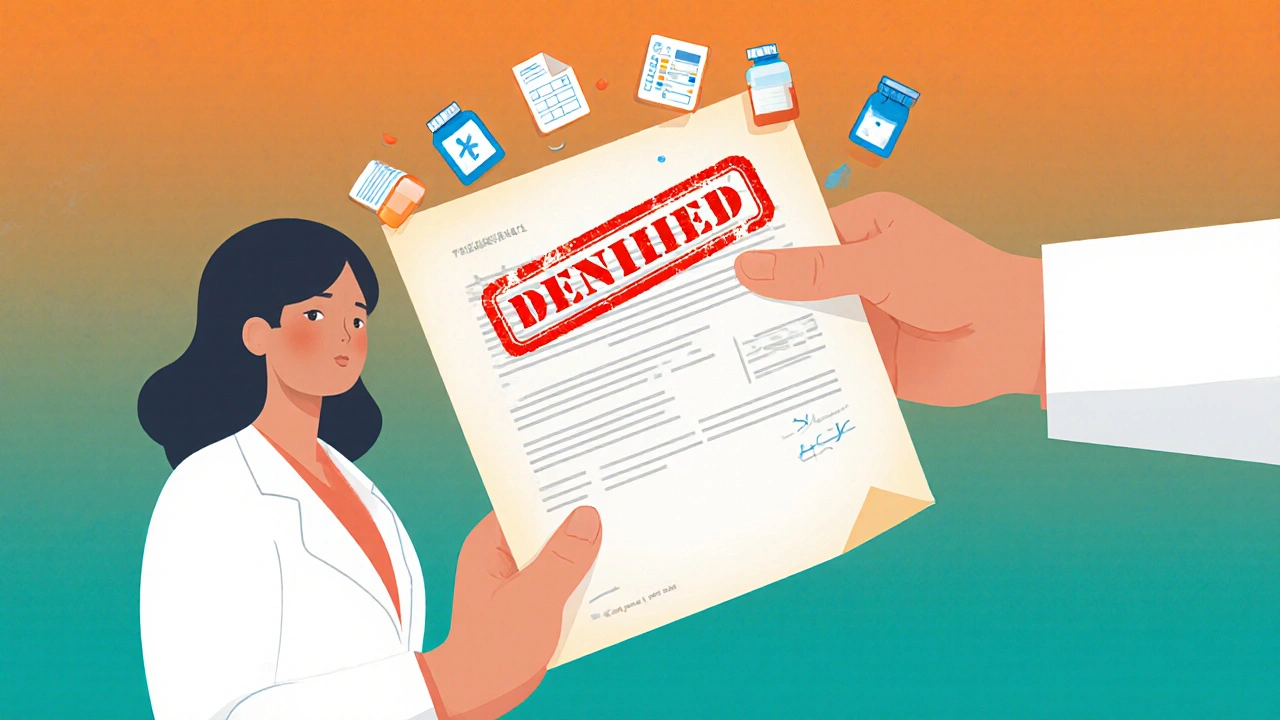
How to Appeal Insurance Denials for Brand-Name Medications
Learn how to successfully appeal insurance denials for brand-name medications with step-by-step guidance, real success rates, and critical tips from doctors and legal experts. Know your rights and how to win.
Read More...POPULAR POSTS


Asthma Basics: Types, Triggers, and Inhalers vs. Oral Medications
November 17 2025
Home Hemodialysis: Schedules, Training, and Outcomes
February 2 2026