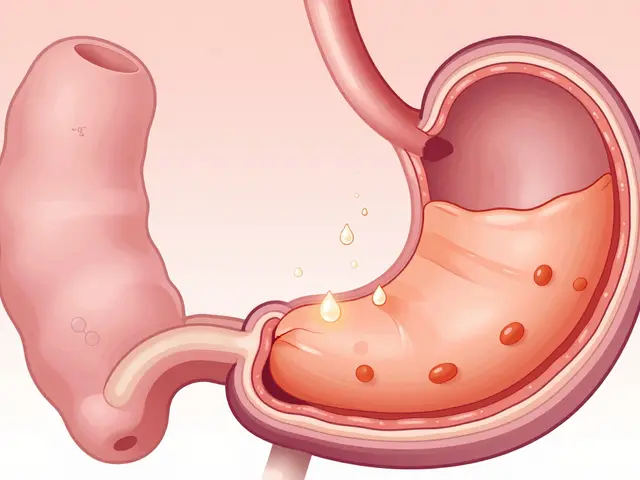
Erosive Esophagitis and Anxiety: How They're Connected and What to Do
July 1 2023
Hospital Dispensing Errors: What Goes Wrong and How to Stay Safe
When you or someone you love is in the hospital, you expect the right medicine at the right dose. But hospital dispensing errors, mistakes made when medications are prepared or given to patients in a hospital setting. Also known as medication errors, these aren’t just rare accidents—they happen far more often than most people realize, and many are avoidable. A single wrong dose, a misread label, or a confusing abbreviation can turn a routine stay into a life-threatening event.
These errors often come from simple but dangerous habits: doctors writing "QD" instead of "daily," nurses grabbing the wrong pill because two bottles look alike, or pharmacists missing a drug interaction because the system didn’t flag it. dangerous medical abbreviations, like "U" for units or "MS" for morphine sulfate. Also known as Do Not Use list, these are banned in many hospitals for good reason—they’ve caused overdoses, amputations, and deaths. And it’s not just about handwriting. Even digital systems fail when they don’t clearly show drug names, strengths, or allergies. NTI drugs, narrow therapeutic index medications like warfarin, phenytoin, and cyclosporine. Also known as critical-dose drugs, these are especially risky because a tiny change in amount can cause serious harm—too little won’t work, too much can kill. Switching generics without close monitoring? That’s another common trigger.
It’s not just the hospital staff’s job to catch these mistakes. You have power too. Know your meds. Ask: "What is this for?" "Is this the same as what I take at home?" "What side effects should I watch for?" If you’re on blood thinners, thyroid meds, or seizure drugs, keep a printed list and bring it to every appointment. Don’t assume the pharmacy or nurse knows your full history. fall risk medications, like benzodiazepines, sleep aids, and even some antihistamines. Also known as sedating drugs, these are often given in hospitals and can make older patients dizzy or confused—leading to falls that break hips or cause brain injuries. If you see a new pill you don’t recognize, speak up. Hospitals are busy. They rely on you to be their second set of eyes.
What you’ll find in the posts below isn’t just theory—it’s real cases, real studies, and real advice from people who’ve been through it. You’ll learn which common drugs are most likely to cause problems, how to spot a dangerous mix before it’s given to you, and what to do if you think something’s wrong. This isn’t about blaming hospitals. It’s about giving you the tools to walk in, stay safe, and walk out without harm.
 22 Nov
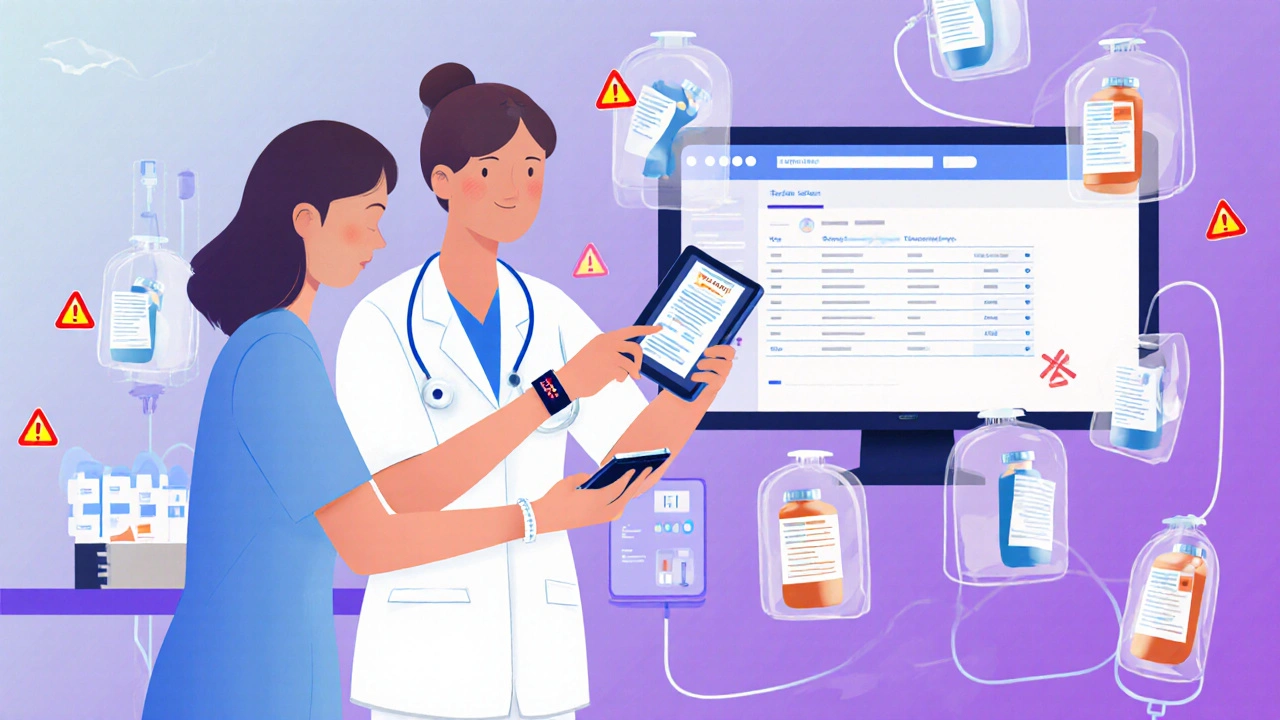
Medication Errors in Hospitals vs. Retail Pharmacies: What Really Happens Behind the Counter
Medication errors happen in both hospitals and retail pharmacies, but the causes, frequency, and consequences differ greatly. Hospitals have more errors but better safety nets. Pharmacies have fewer errors - but patients are often the last line of defense.
Read More...