
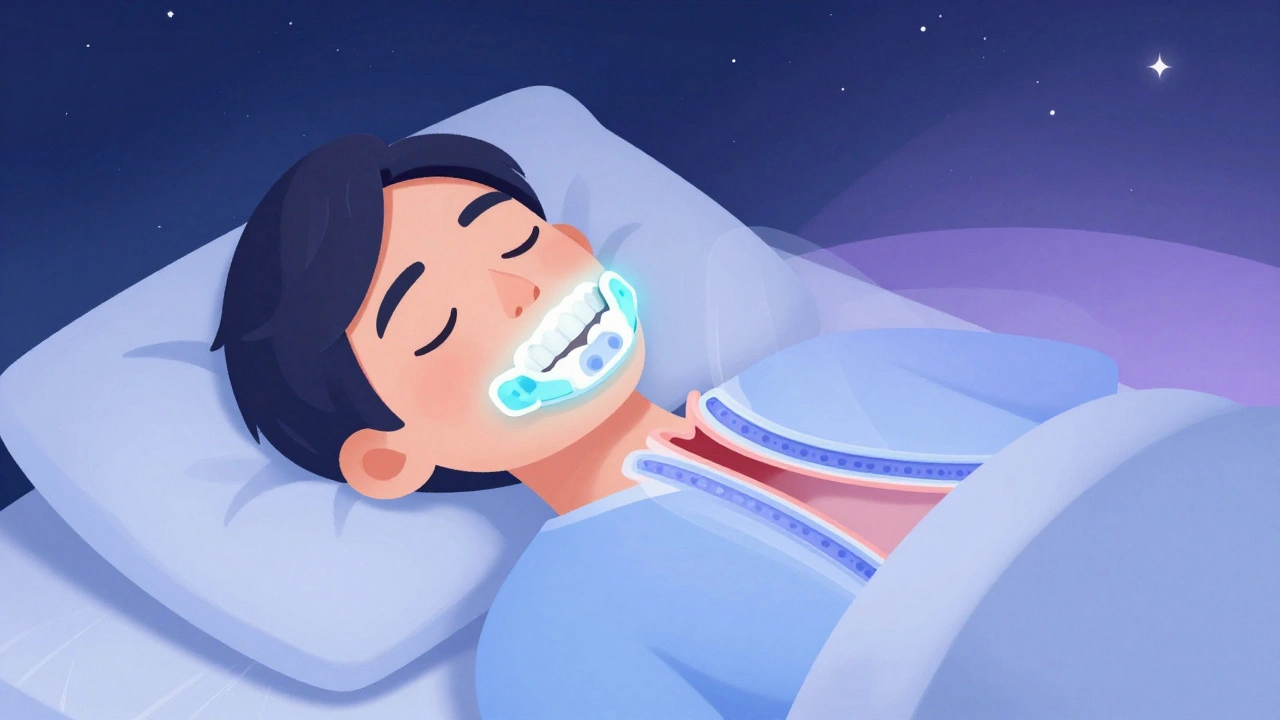
Snoring isn’t just annoying-it can disrupt sleep, strain relationships, and signal something more serious like obstructive sleep apnea. If you’ve tried pillows, nasal strips, or sleeping on your side with little success, you might be wondering: is there a real solution that doesn’t involve a bulky mask and a noisy machine? The answer for many people is yes: oral appliance therapy using mandibular advancement devices (MADs).
What Is Mandibular Advancement Therapy?
Oral appliance therapy isn’t new. Dentists have been using devices to move the jaw for decades to fix bite issues. But in the 1990s, researchers noticed something unexpected: when they pushed the lower jaw forward to correct alignment, snoring often disappeared. That’s because snoring happens when the soft tissues in your throat collapse and vibrate during sleep. By gently moving your lower jaw forward-usually by 3 to 10 millimeters-you open up the airway and keep it from collapsing. These devices, called mandibular advancement devices, are custom-fitted mouthpieces worn while you sleep. They’re not like retainers or braces. They’re medical devices designed specifically to hold your jaw in a slightly forward position, reducing or eliminating the vibrations that cause snoring. The American Academy of Sleep Medicine has recognized them as a valid treatment for primary snoring and mild-to-moderate sleep apnea since 2006.How Effective Are They?
The numbers speak for themselves. Studies show that custom-made MADs reduce snoring intensity by 50% to 75% in people who use them consistently. One 2014 study found users saw a 63.2% drop in snoring frequency compared to placebo devices. That’s not just quieter nights-it’s measurable improvement in sleep quality for both you and your partner. But effectiveness isn’t the same for everyone. MADs work best for people with mild-to-moderate snoring or sleep apnea. If you have severe anatomical blockages-like a very large tongue or a collapsed airway (Mallampati class IV)-they’re less likely to help. In those cases, failure rates can reach nearly 40%. On the flip side, for people with mild positional snoring (snoring mainly when lying on your back), MADs can be nearly as effective as CPAP, without the noise or claustrophobia. The biggest advantage? Adherence. People stick with MADs. Data from the 2018 SAVE trial shows 76.4% of users still wore their device after 12 months. Compare that to CPAP, where more than half quit within a year. Why? MADs are small, quiet, portable, and feel natural after a few nights. You can travel with them. You don’t need electricity. You can even drink water without removing it.Custom vs. Over-the-Counter: The Big Difference
Not all oral appliances are created equal. There are two main types: custom-fitted and over-the-counter (OTC). Custom devices are made by a dentist who takes precise impressions of your teeth and jaw. These are typically made from semi-rigid acrylic with titanium connectors and allow fine-tuning-usually in 0.5mm increments. Leading brands like SomnoDent MAS and TAP 3 cost between $1,800 and $2,500. But they’re also the most effective: clinical studies show custom MADs reduce snoring by 72.3% on average. OTC devices, like Zyppah or Good Morning Snore Solution, are boil-and-bite models you mold at home. They’re cheaper-around $99-but far less precise. They usually offer only 3 to 5mm of advancement, which isn’t enough for many people. A 2015 meta-analysis found OTC devices only reduced snoring by 48.6%, less than half the effectiveness of custom ones. They also wear out faster and can cause more discomfort because they don’t fit as well. Bottom line: if you’re serious about stopping snoring, skip the drugstore version. A custom device might cost more upfront, but it’s more likely to work-and last longer.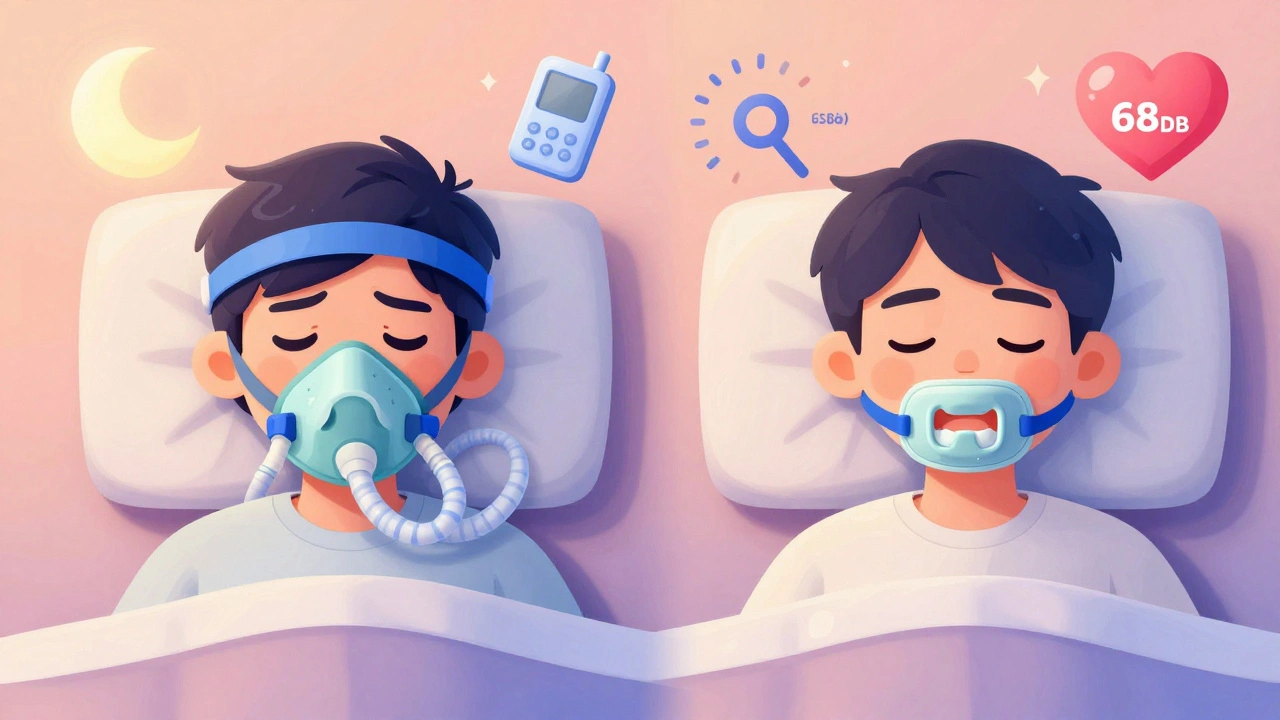
Who Should Avoid These Devices?
MADs aren’t for everyone. You need a certain amount of healthy teeth to hold the device in place-usually at least 6 to 8 natural teeth per jaw. If you have advanced gum disease, loose teeth, or a history of jaw joint problems (TMJ disorder), you could make things worse. About 12.7% of snorers are ruled out for MAD therapy based on dental health alone, according to a 2022 review of over 1,200 patients. Also, if you have severe sleep apnea (AHI over 30), CPAP is still the gold standard. MADs can help as a backup, but they’re not a substitute for severe cases. And yes, there are side effects. About 68% of users report jaw pain or soreness in the first few weeks. Excessive saliva and dry mouth are common too. Most of these fade within a month as your body adjusts. But long-term use carries risks: 25% of users develop permanent changes in their bite over 5+ years, according to dental experts. That might mean needing braces or other corrective work down the road.The Process: From Snoring to Sleep
Getting started isn’t as simple as buying a device online. Here’s what a typical journey looks like:- Get tested. First, you need a sleep study-either at home or in a lab-to confirm you have primary snoring or mild-to-moderate sleep apnea. This rules out more serious conditions.
- See a dentist trained in dental sleep medicine. They’ll check your teeth, gums, and jaw joint to make sure you’re a candidate.
- Get impressions. High-quality digital scans (in-office) give a 23% better fit than at-home kits, according to a 2022 dental journal.
- Wait for your device. Custom MADs take 2 to 4 weeks to be made.
- Start titration. This is the key step. You won’t wear it at full advancement right away. Most dentists recommend increasing the jaw position by 1mm every 3 to 5 days over 4 to 6 weeks. You’ll adjust until snoring stops or you hit your maximum comfortable position.
- Follow up. You’ll need 2 to 3 visits over the first few months. Then, check in with your dentist every 6 months to monitor for dental changes.
How MADs Compare to Other Treatments
Let’s put this in context:| Treatment | Snoring Reduction | Adherence Rate (12 Months) | Cost (USD) | Best For |
|---|---|---|---|---|
| Mandibular Advancement Device (Custom) | 65-75% | 76.4% | $1,800-$2,500 | Mild-to-moderate snoring, CPAP-intolerant users |
| Mandibular Advancement Device (OTC) | 30-48% | 55% | $80-$120 | Light snorers on a budget |
| CPAP Machine | 85-95% | 45.2% | $500-$3,000 (with insurance) | Severe sleep apnea, high compliance |
| Nasal Dilators | 20-30% | 60% | $10-$30 | Minor nasal obstruction |
| Positional Therapy | 35-45% | 50% | $20-$100 | Snoring only when on back |
What’s New in 2025?
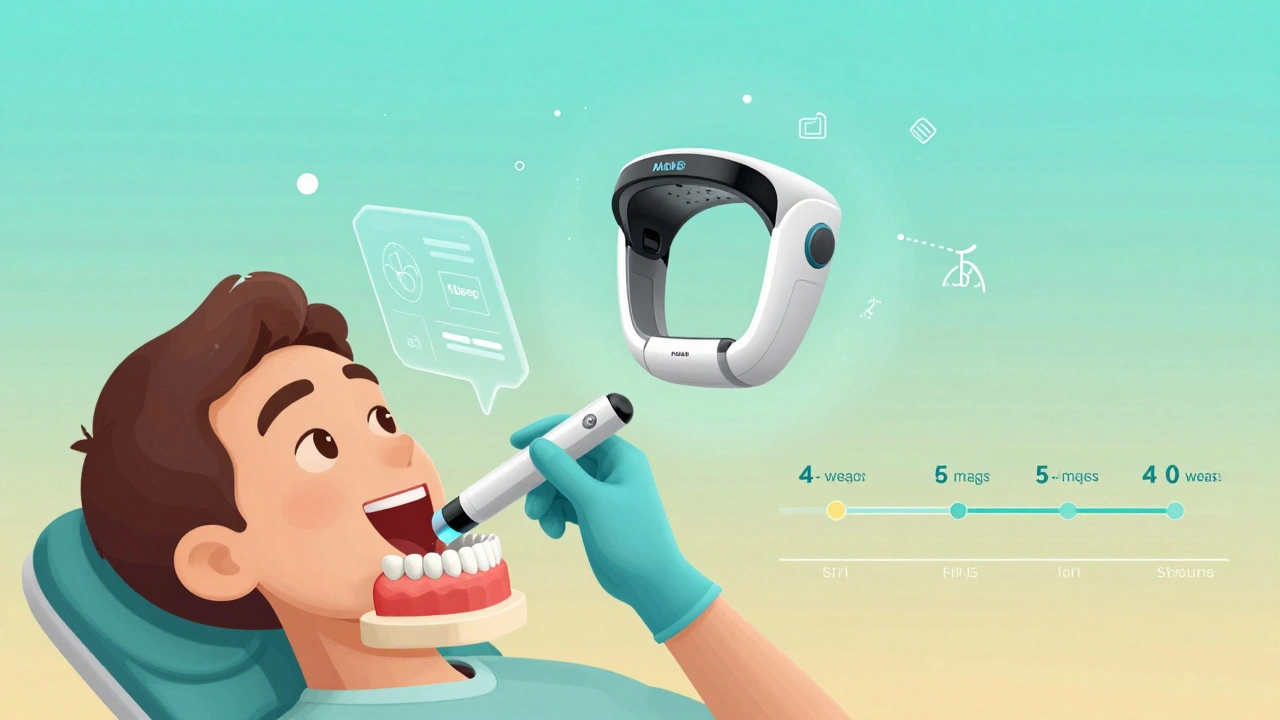
The field is evolving. In 2023, the FDA cleared the SomnoDent EVO 3, the first MAD with built-in sensors that connect to a smartphone app. It tracks how often you wear it and even detects snoring events in real time. That’s huge-it gives you data instead of guesswork. In 2024, Sleep Solutions Inc. is launching a new device with AI-driven titration. Instead of manually adjusting the jaw position every few days, the device will suggest optimal settings based on your sleep patterns. That could cut the titration period from weeks to days. Researchers are also exploring genetic markers to predict who will respond best to MADs. Within five years, your dentist might use your DNA to recommend the ideal design for your jaw structure.Is It Worth It?
The cost is the biggest hurdle. Only 38% of U.S. insurance plans cover MADs. That means most people pay out of pocket-$2,000 is a lot for a mouthpiece. But consider this: if you’re the one snoring, you’re probably losing sleep. If you’re the partner, you’re losing sleep too. Studies show couples using MADs report better moods, less irritability, and fewer arguments about noise. One Reddit user documented his snoring dropping from 65dB to 38dB-loud enough to wake someone up, to barely audible. His wife called it “worth every penny.” For people who can’t tolerate CPAP, who travel often, or who just want a quiet night’s sleep without surgery, MADs are the most practical, evidence-backed solution available.What to Do Next
If you’re tired of hearing yourself-or your partner-snore, here’s your action plan:- Take a home sleep test (available through your doctor or online sleep clinics).
- If results show mild-to-moderate sleep apnea or primary snoring, ask your doctor for a referral to a dental sleep specialist.
- Don’t buy an OTC device first. Get evaluated. A bad fit can cause more harm than good.
- Ask about payment plans. Many dental offices offer financing for MADs.
- Commit to the 4-6 week titration process. Don’t give up after a week of discomfort.
Can oral appliances cure snoring permanently?
No. Snoring returns within 48 hours if you stop wearing the device. MADs manage the condition, not cure it. They’re like glasses for your airway-you need to use them consistently to keep the benefits.
Do MADs work for sleep apnea, or just snoring?
They work for both. The American Academy of Sleep Medicine recommends MADs for mild-to-moderate obstructive sleep apnea as a first-line alternative to CPAP. For severe cases, CPAP is still preferred, but MADs can be used if CPAP fails.
Are there any long-term dental risks?
Yes. About 25% of long-term users develop changes in their bite, such as teeth shifting or altered jaw alignment. Regular dental check-ups every 6 months are critical to catch these early. Some users eventually need orthodontic treatment, but the risk is lower than with poor-fitting OTC devices.
How long do custom MADs last?
Most custom devices last 3 to 5 years with proper care. They’re made from durable acrylic and titanium, but wear depends on how often you use them and whether you grind your teeth. Nightly cleaning and avoiding heat exposure (like hot water or dishwashers) extend their life.
Can I use a MAD if I have dentures?
Usually not. MADs need natural teeth to anchor properly. If you have full dentures, they won’t hold the device securely. Partial dentures may work if enough natural teeth remain, but this requires a specialist evaluation. Alternatives like CPAP or positional therapy are more suitable.
Why do some people say MADs don’t work?
Most of those cases involve OTC devices or people who didn’t complete the titration process. Studies show MADs work about 90% of the time for properly selected patients who use custom devices and follow the adjustment protocol. If you stop after a week because your jaw aches, you’re not giving it a fair chance.





Saket Modi
December 3, 2025 AT 01:43